1 hr 30 min
Tokaj Wine Cellar Experience with 6-Wine Tasting
- Entry ticket
- Mobile voucher
- Valid same day
- Free cancellation
Tokaj Wine Tasting — UNESCO Cellars & Aszú Flights
Golden Aszú in volcanic cellars, centuries of noble rot perfected
Compare fares, pick the fit — all bookings are mobile-voucher and eligible for free cancellation where shown.
1 hr 30 min
3 hr
2 hr
| Experience | Duration | Rating | Pickup | Small group | Free cancel. | Price | |
|---|---|---|---|---|---|---|---|
|
Standard Entry
Most popular
Tokaj Wine Cellar Experience with 6-Wine Tasting
|
1 hr 30 min | ★ 4.9 | — | — | ✓ | $31 | Book → |
|
Standard Entry
Tokaj Winery Experience with Vineyard Walk
|
3 hr | ★ 4.8 | ✓ | ✓ | ✓ | €96 | Book → |
|
Standard Entry
Tokaj Wine Cellar Tasting with Aszú
|
2 hr | ★ 5.0 | — | — | ✓ | $31 | Book → |
Hand-picked experiences loved by thousands of travelers
12 hours
Free Cancellation
Discover Hungary's UNESCO-listed wine country on a personalized full-day journey with cellar visits and tastings
8 hours
Free Cancellation
Discover Hungary's legendary wine country on a full-day journey through historic vineyards and cellars
1.5 hours
Free Cancellation
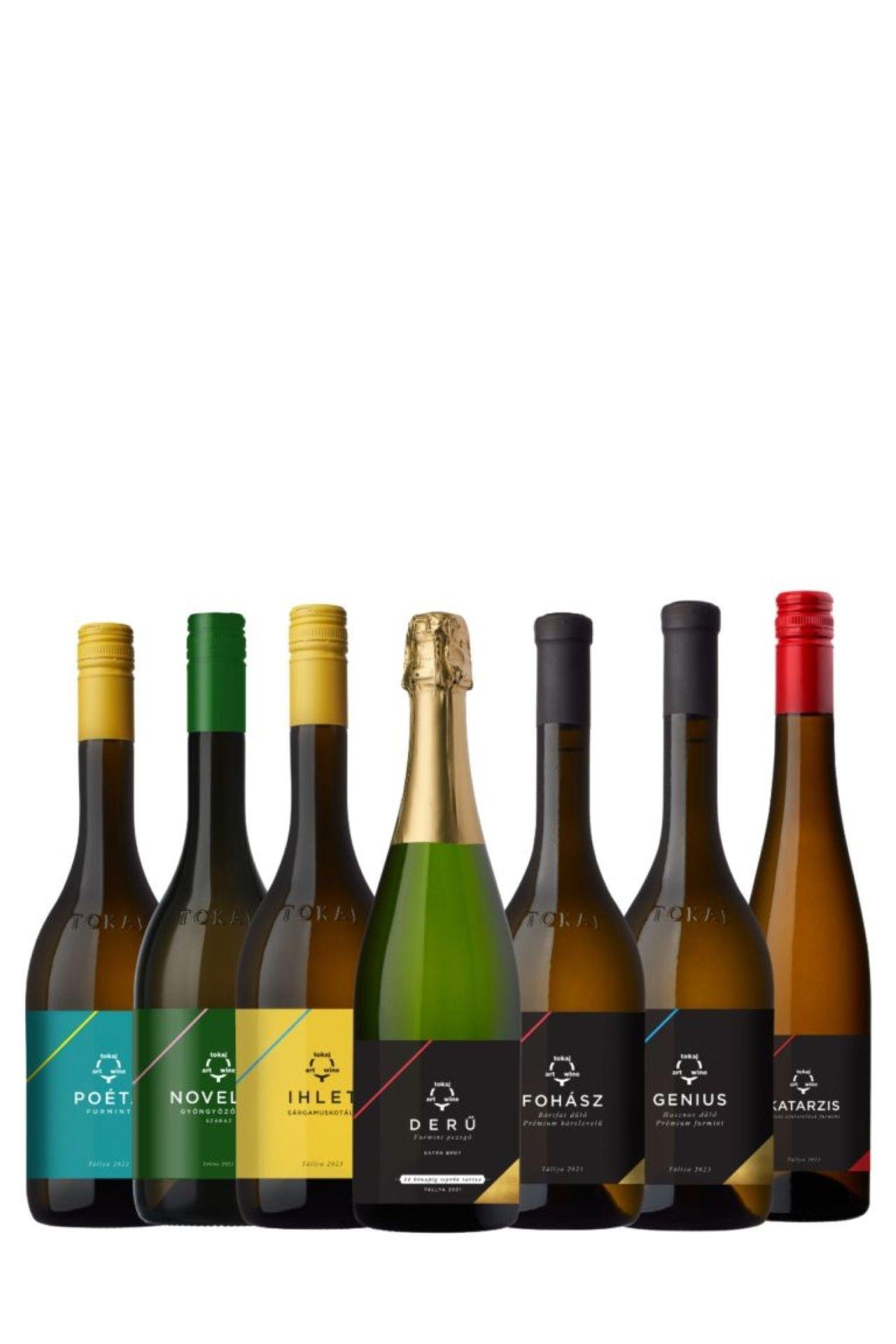
Sample seven distinctive wines from Hungary's celebrated Tokaj region during this guided tasting
2.5 hours
Free Cancellation
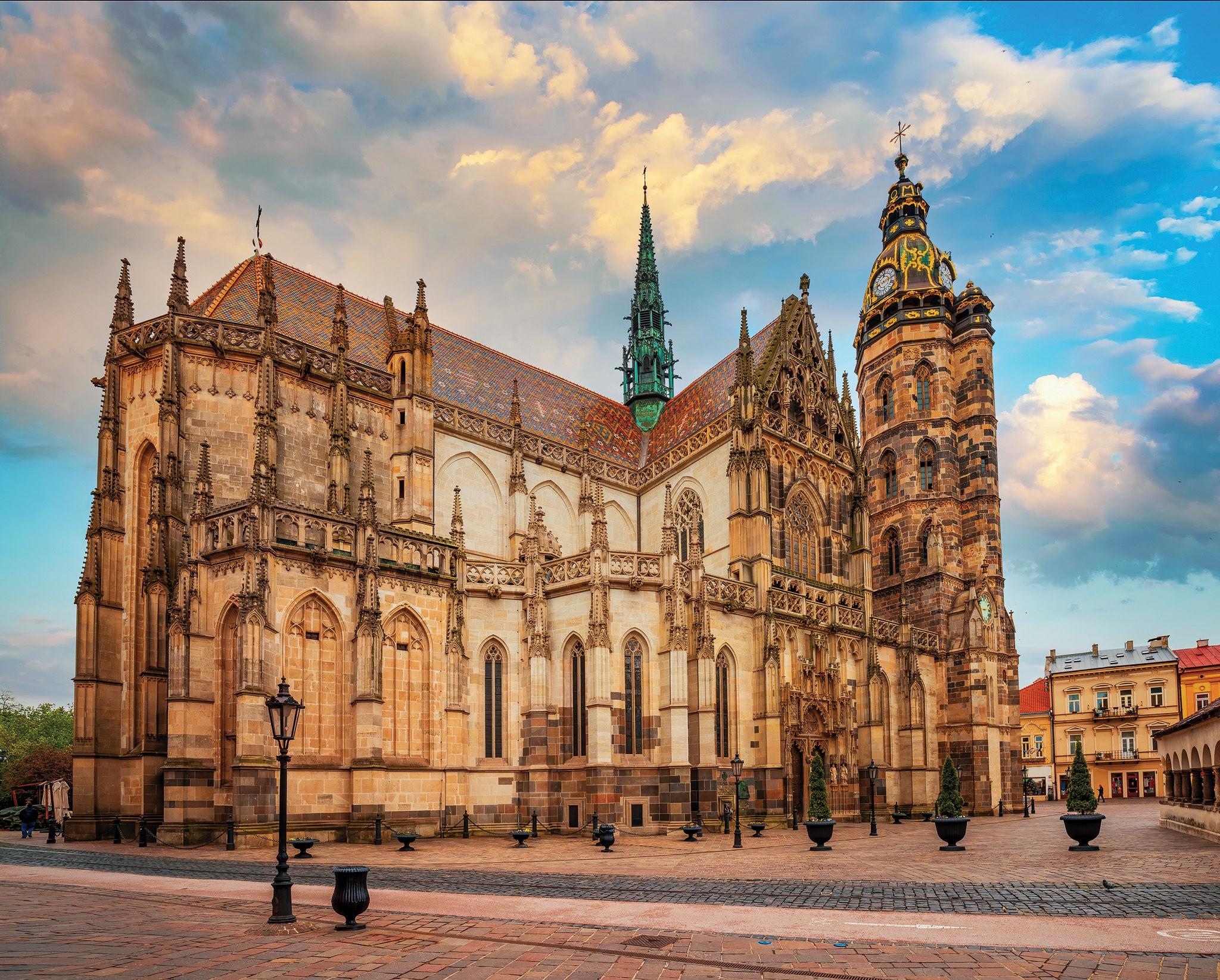
Explore Slovakia's largest historic district and sample wines from the renowned Tokaj region
9 hours
Free Cancellation
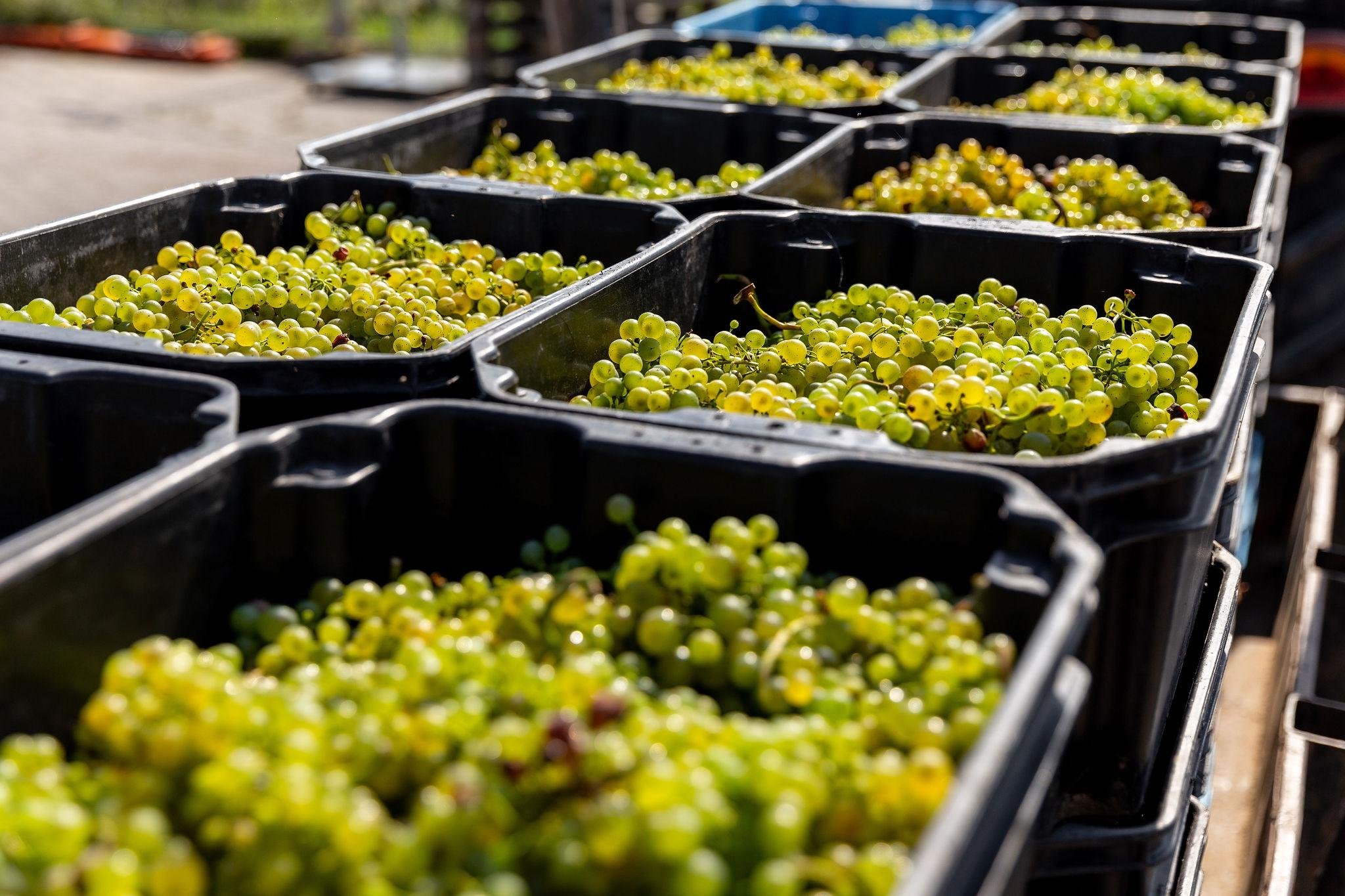
Join a hands-on wine harvest in Hungary's legendary Tokaj region with tastings, field work, and lunch
40 minutes
Free Cancellation
Explore a modern organic winery in Tokaj's legendary wine region with tastings of signature dry and sweet wines.
2 hours
Free Cancellation
Blend your own sparkling wine using traditional methods and take home two personalized bottles
1 day
Free Cancellation
Discover Hungarian wines at a cliffside estate with guided cellar exploration and multiple tasting options
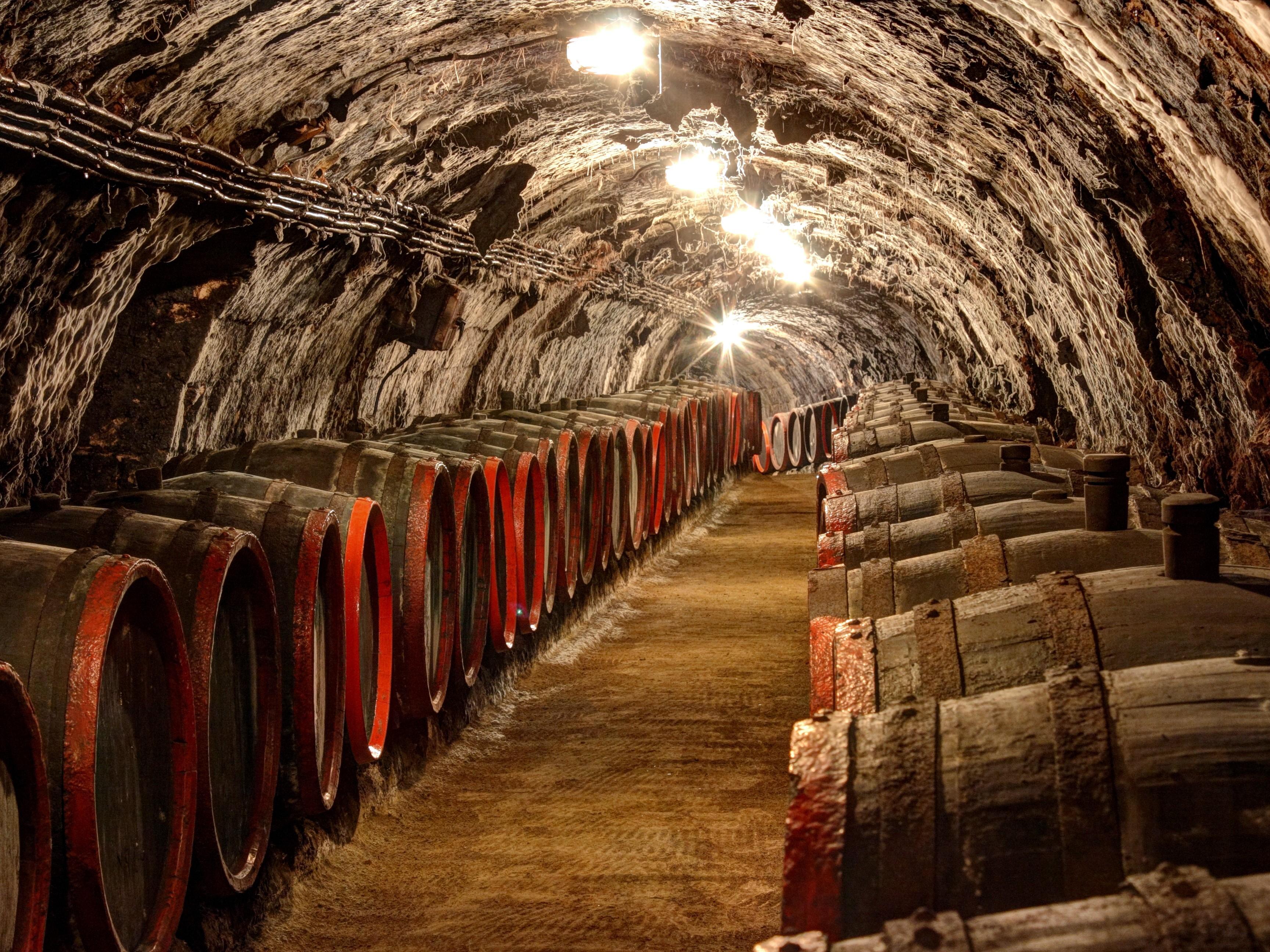
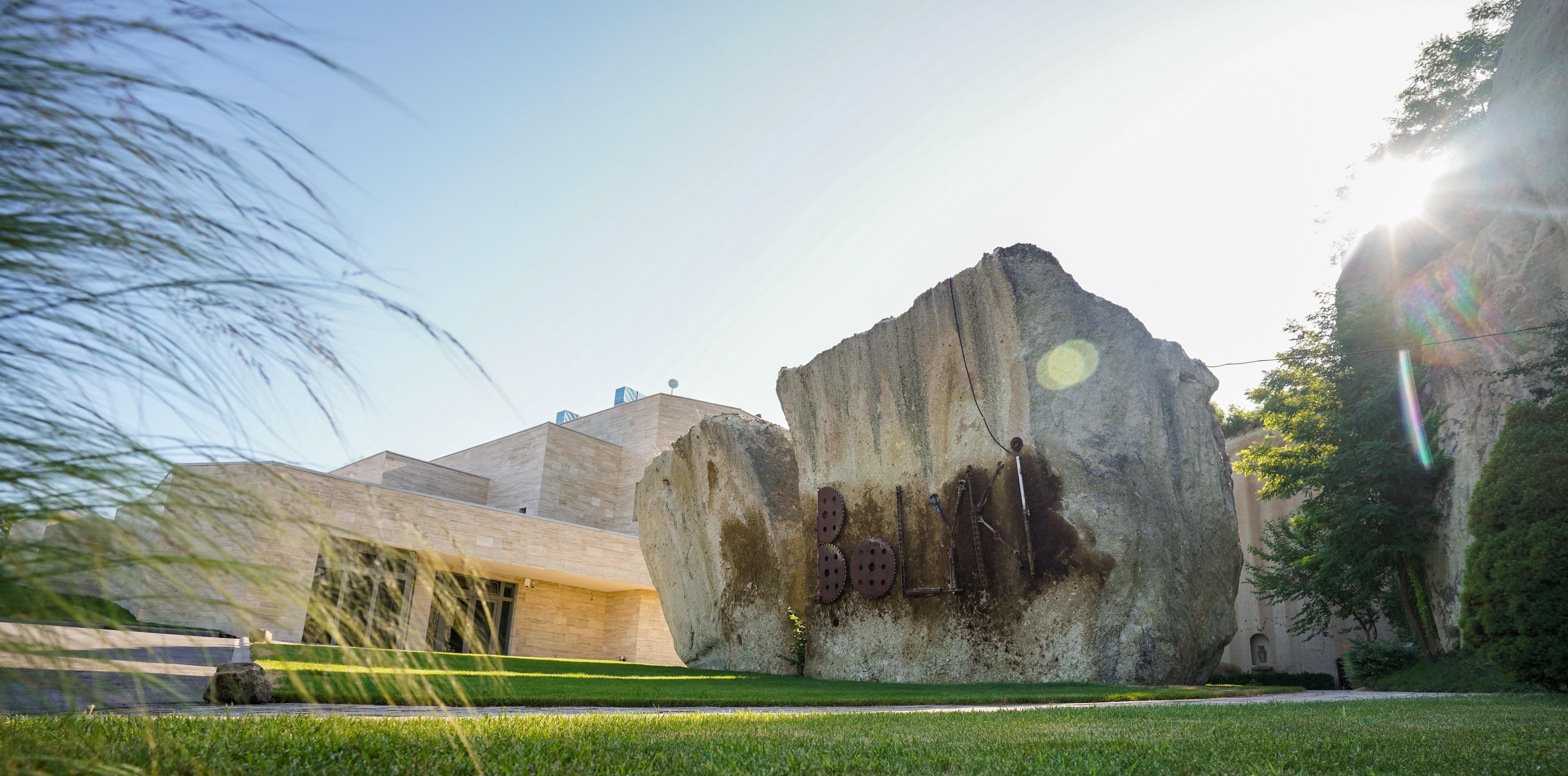
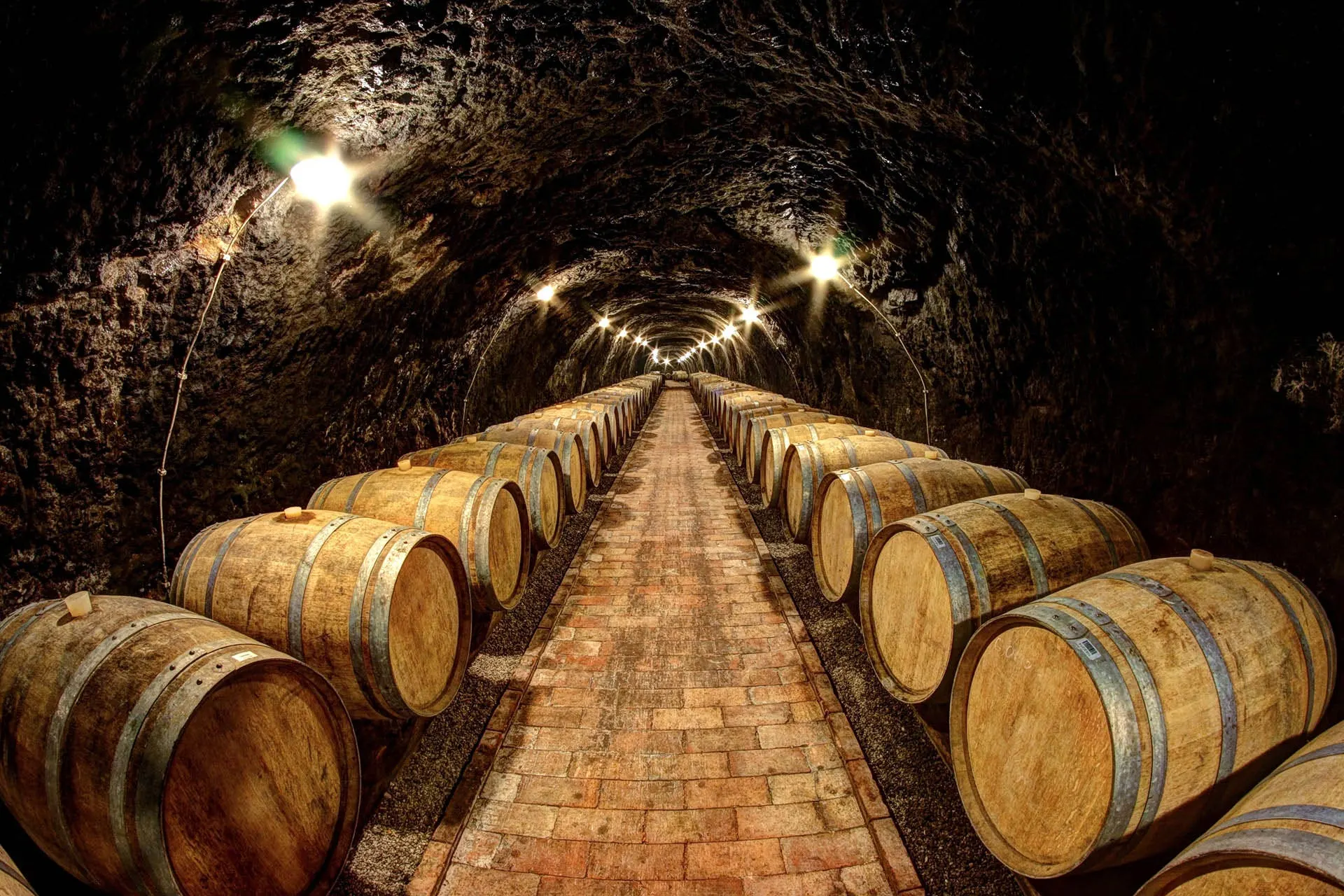
This national winery manages the largest cellar system in the region, spanning over five kilometers across two levels of underground volcanic tuff.
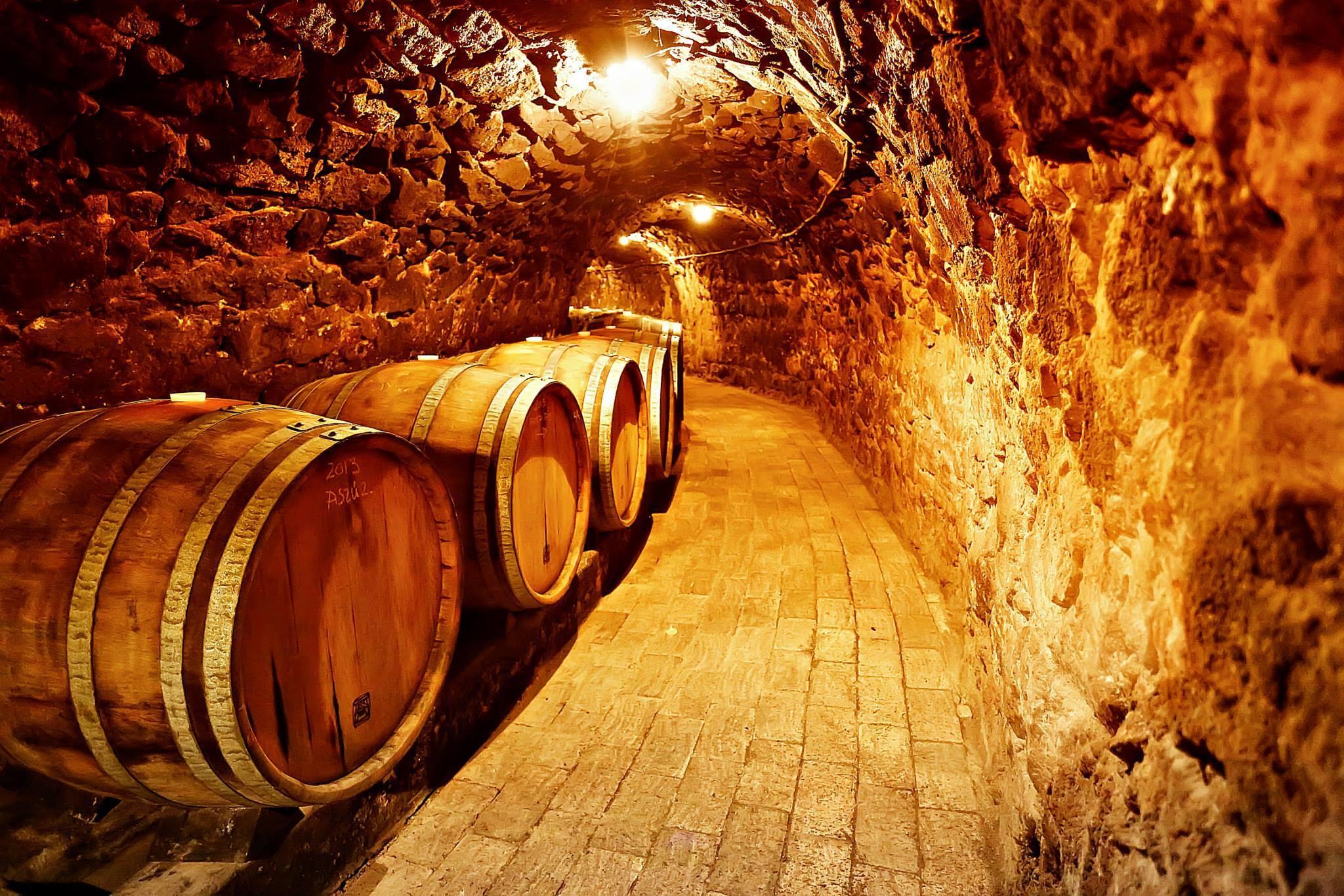
Large historic cellar tunnel system
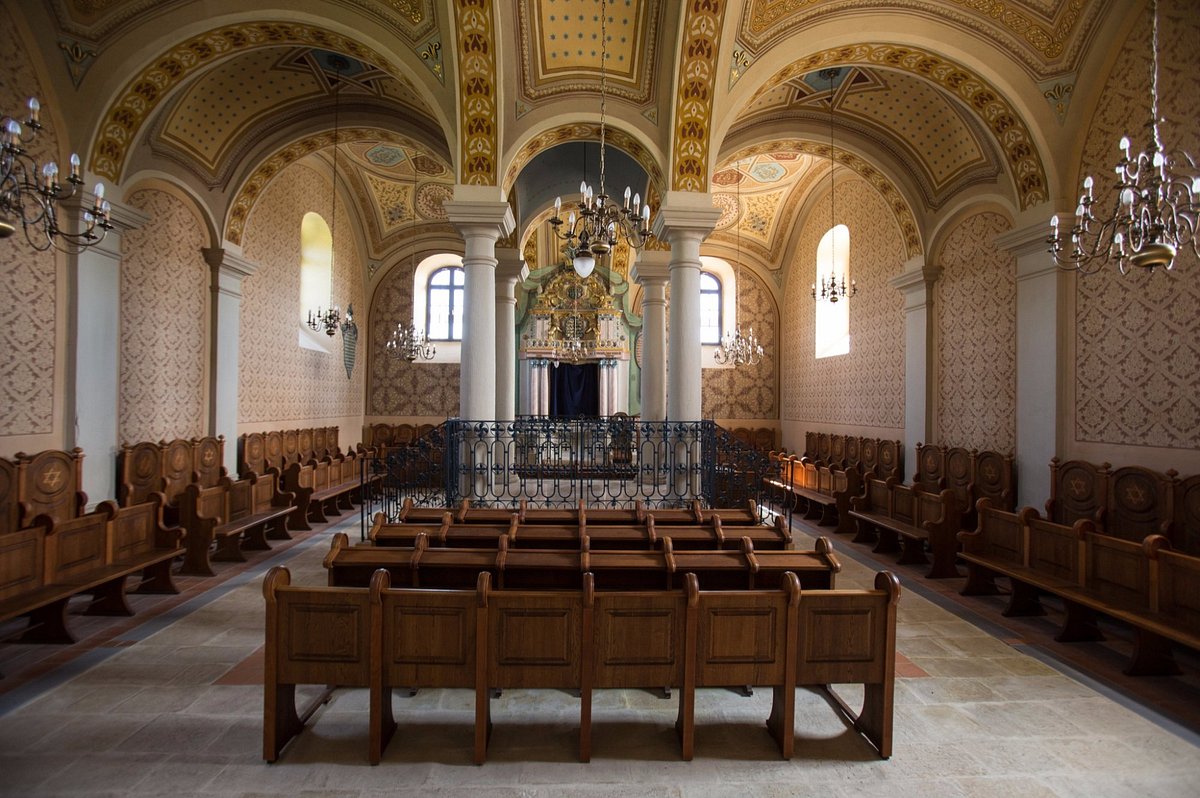
Elegant neoclassical architecture and wine history
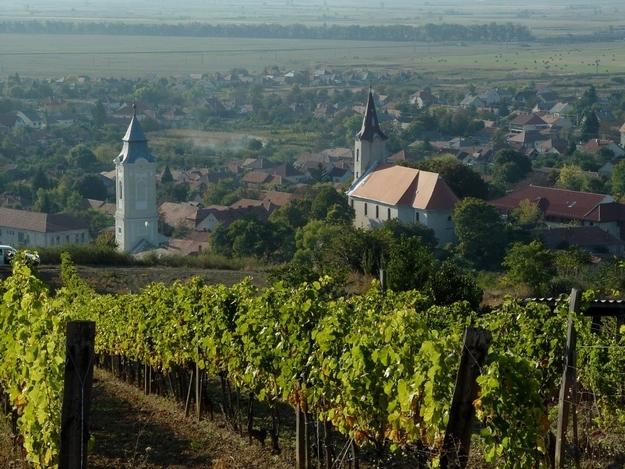
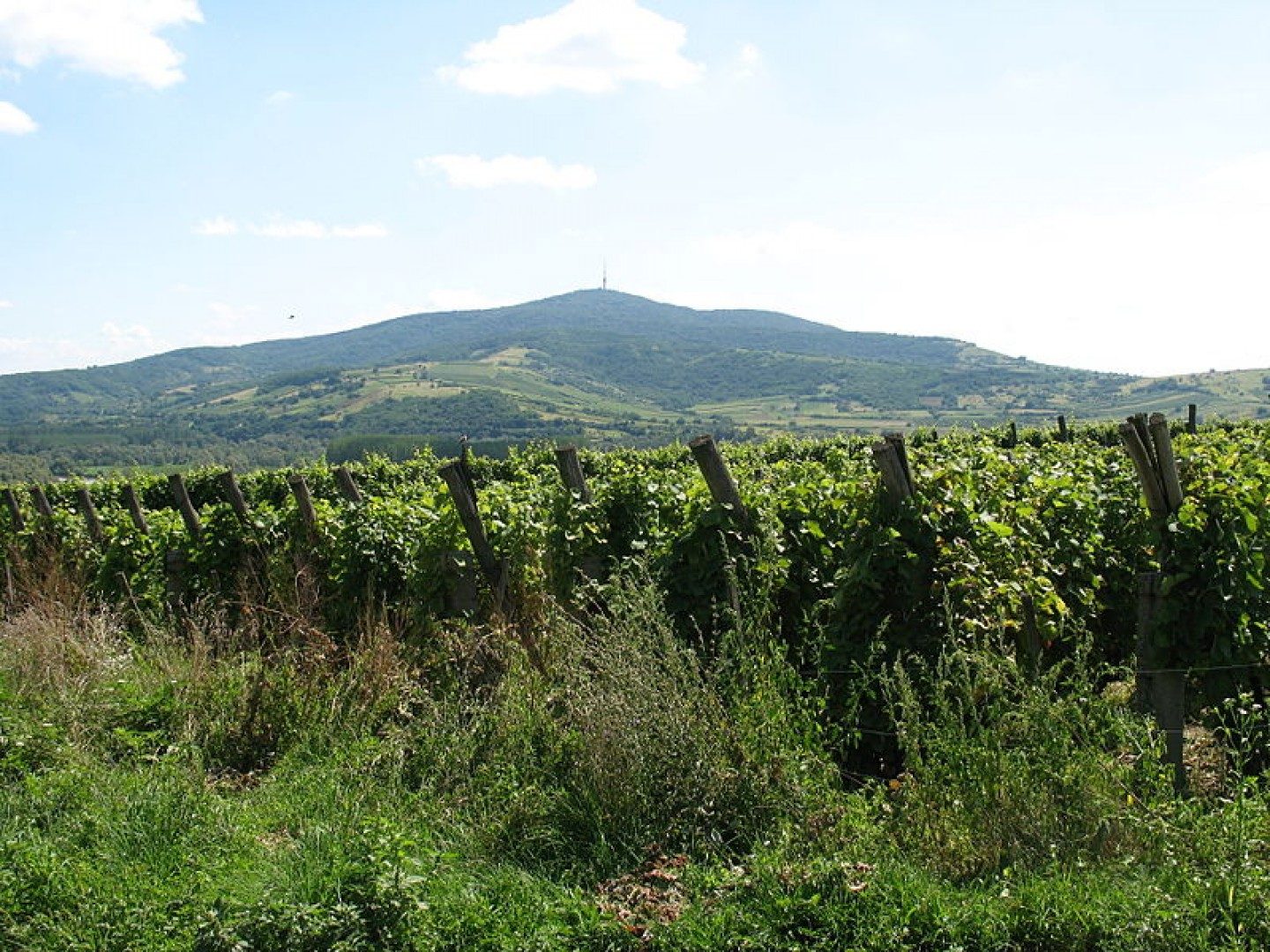
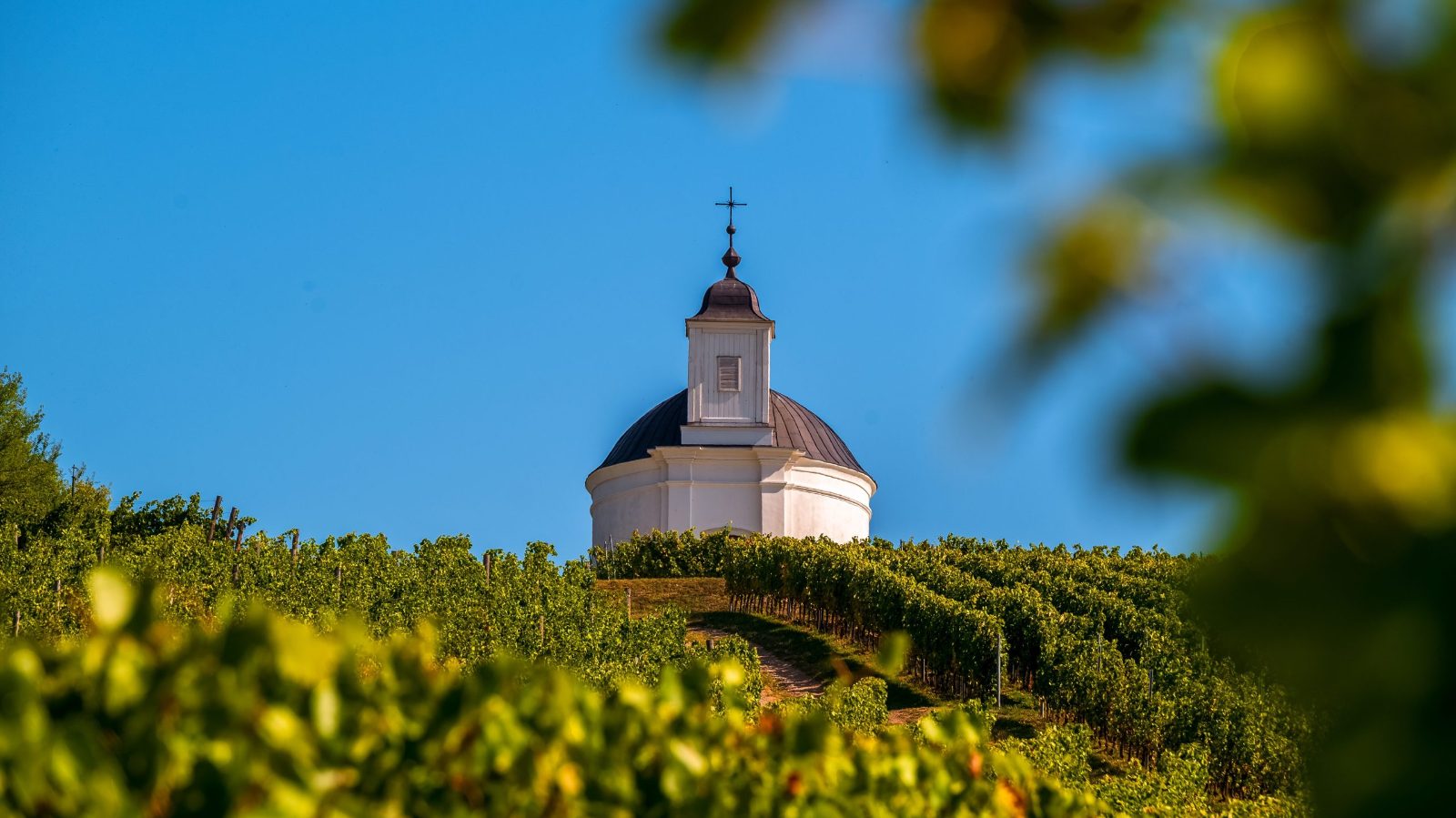
Panoramic view over rolling vineyards
Restored architecture and historical significance
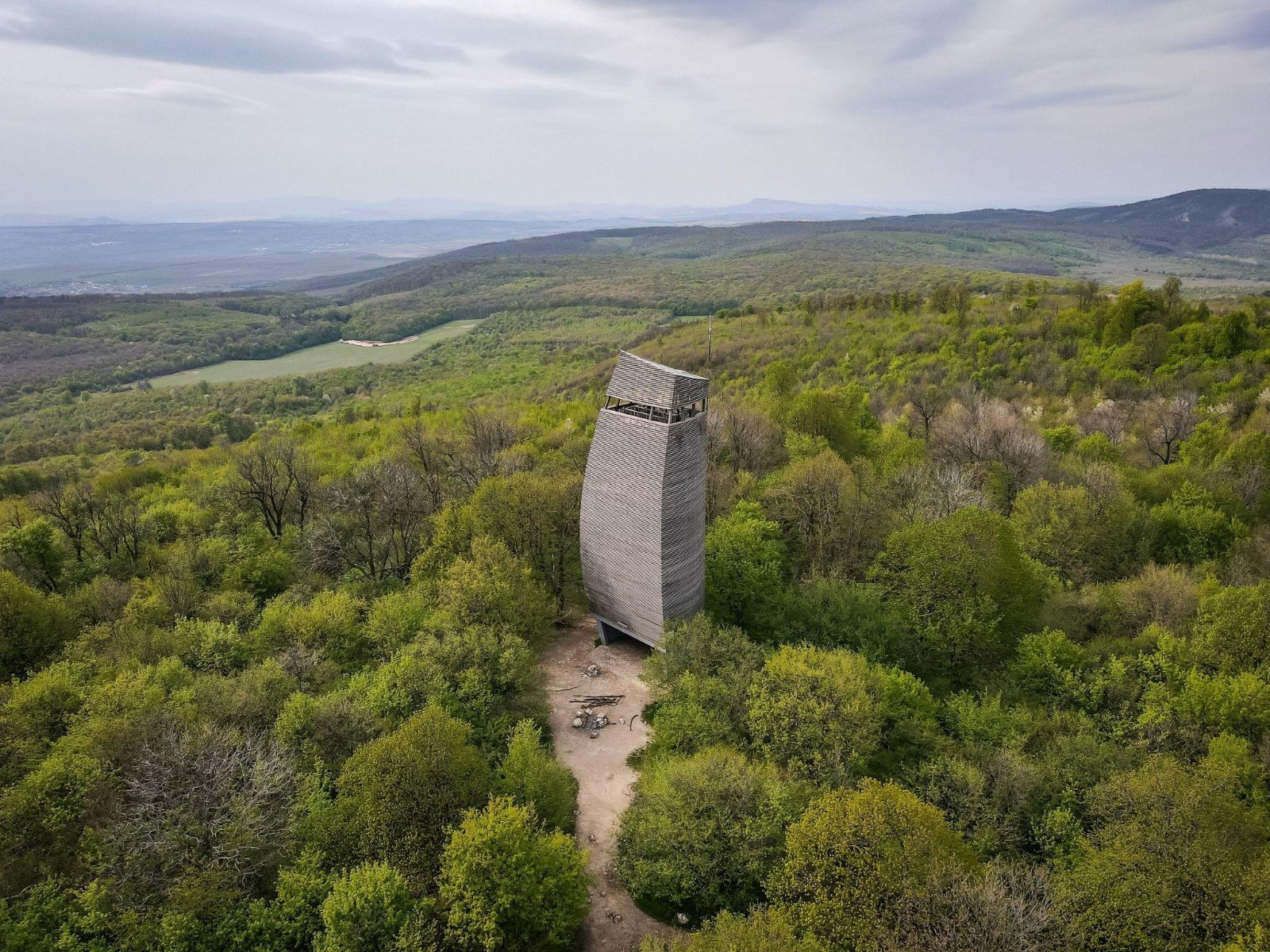
Panoramic mountain views and natural beauty
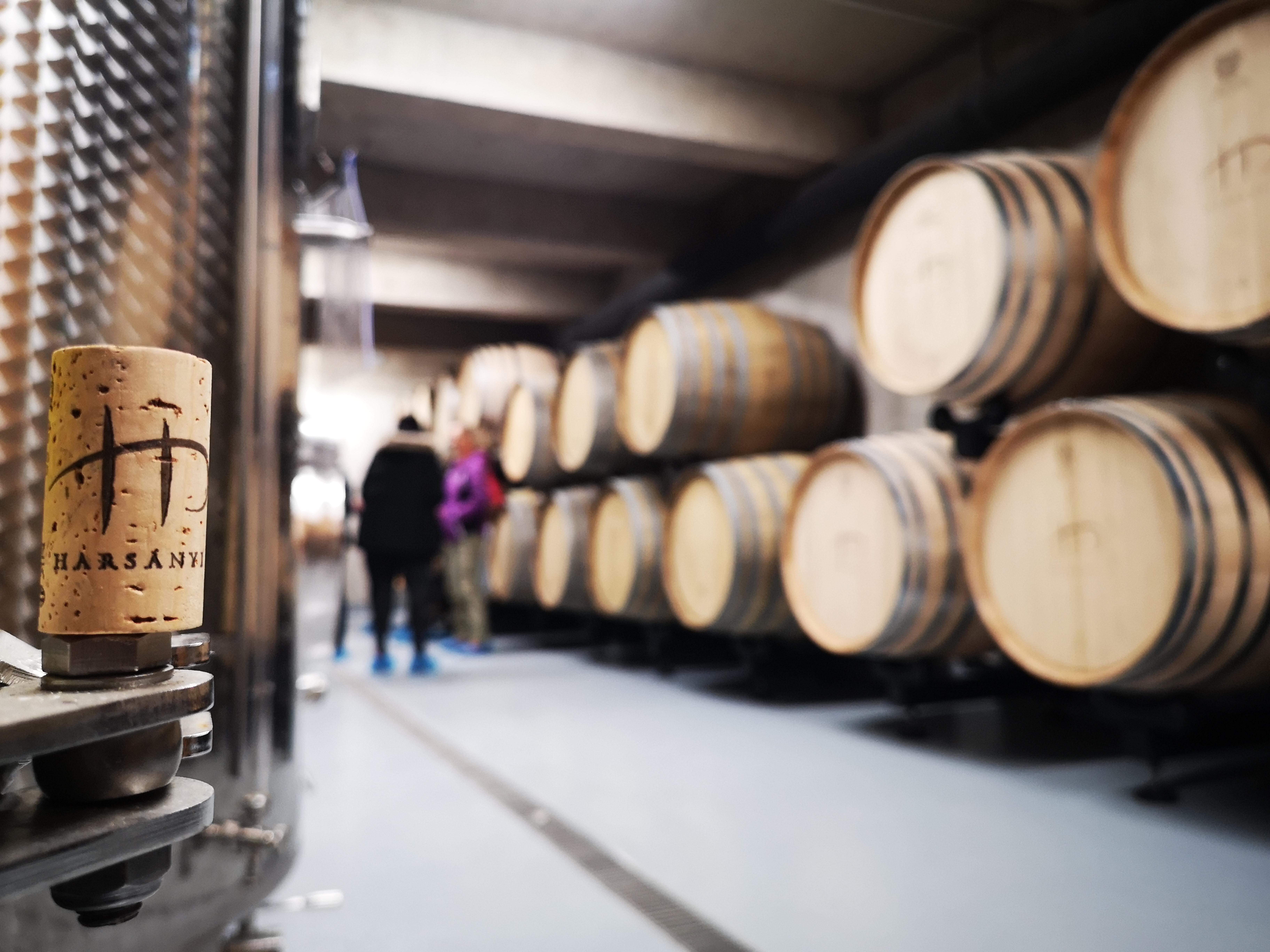
You arrive in Tokaj village by mid-morning, when vineyard mist still clings to the Zemplén foothills. Most tokaj wine tasting experiences begin with a cellar descent — stone steps drop you into tufa tunnels where barrel rows stretch into darkness and the air tastes of wet stone and fermenting must.
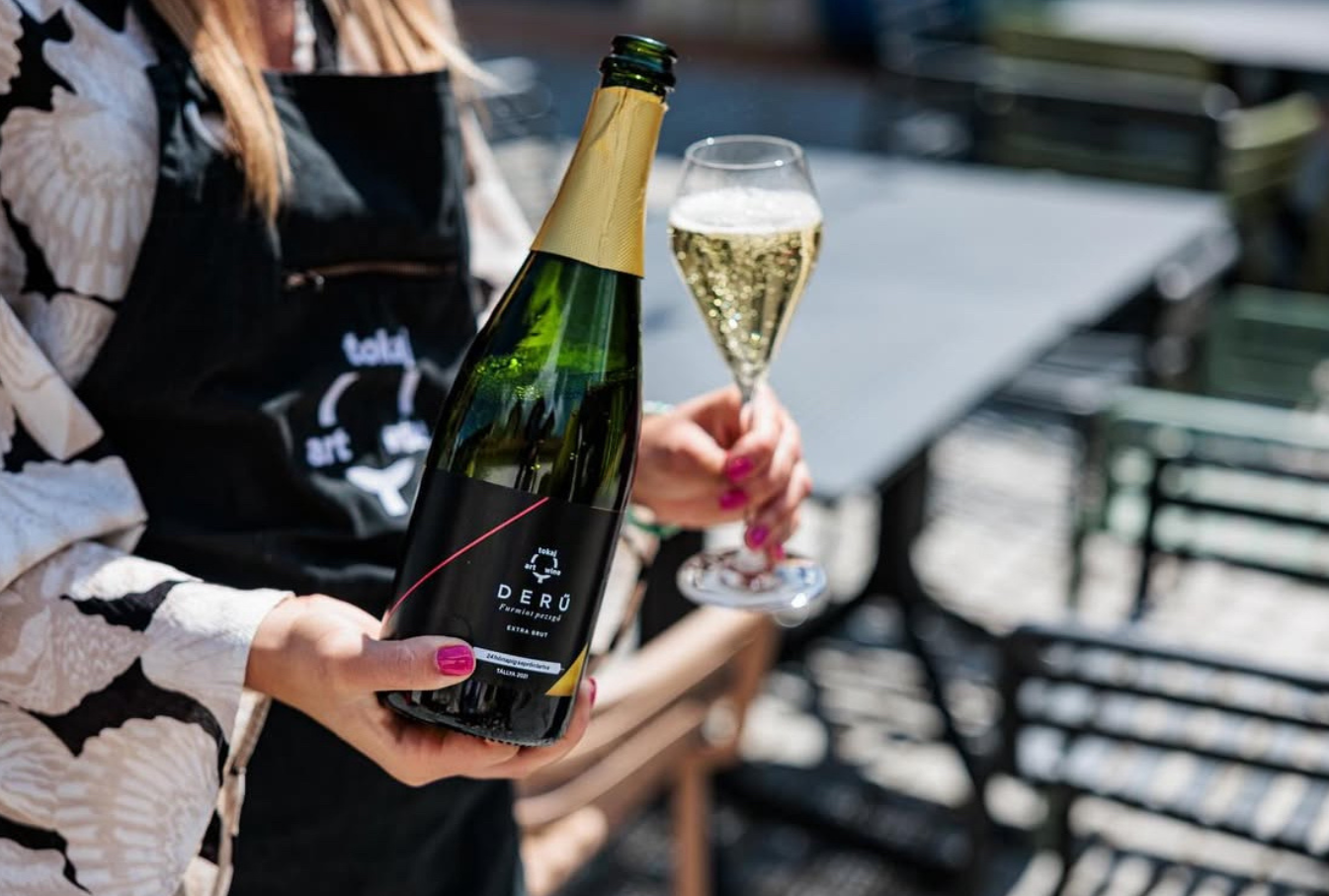
Your guide pours a dry Furmint first, explaining how volcanic soil imparts the saline edge you notice on the finish, then moves to a 5 puttonyos Aszú, its apricot and honey concentration offset by bright acidity that keeps the sweetness from cloying.
Between pours, you walk through barrel halls where bottles lie horizontal in floor-to-ceiling racks, some vintages dating to the 1970s, their labels foxed with cellar humidity. The tasting concludes with Aszú Eszencia, a nectar so sweet it ferments for years to reach even 5% alcohol — you take small sips, letting it coat your palate as the guide recounts how noble rot concentrates sugars to 450 grams per liter. Outside, you climb back into daylight and drive narrow roads between vine parcels, stopping at a hilltop lookout where the Bodrog River curves silver through autumn foliage and the entire appellation spreads below you in orderly rows of gnarled Furmint vines.
All the details about your upcoming adventure in one place
Tokaj wine tasting tours guide you through centuries-old cellars where Aszú dessert wines and volcanic-soil varietals have earned UNESCO World Heritage recognition. Sample Furmint, Hárslevelű, and the famed Tokaji Aszú while learning about noble rot fermentation and traditional barrel aging. These tokaj wine tasting experiences pair cellar visits with vineyard walks across the region's volcanic hillsides.
The Tokaj Wine Region has produced Aszú for more than four centuries, earning recognition as the world's first classified wine region in 1737. King Louis XIV called Tokaji "the wine of kings and king of wines," securing its place in European courts long before Bordeaux or Burgundy codified their terroirs.
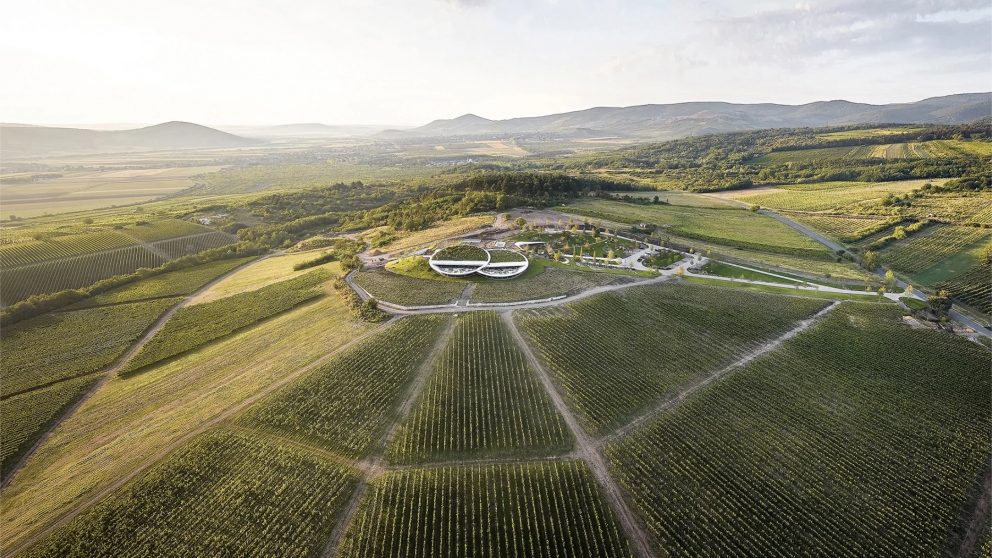
The vineyards sprawl across 5,500 hectares of volcanic slopes in northeastern Hungary, where the Bodrog and Tisza rivers meet to create morning fog — the precise microclimate that encourages Botrytis cinerea, the noble rot fungus that shrivels grapes into concentrated jewels of sugar and acid.
The region's 28 villages anchor a landscape of tufa cellars carved into hillsides, some tunneling 40 meters underground where constant 10–12°C temperatures and 95% humidity age wines in oxidative silence. Tokaji Aszú, the flagship style, is measured in puttonyos — historic hods of botrytized grapes added to base wine, producing sweetness levels from 5 puttonyos (120 g/L residual sugar) to the rare Aszú Eszencia. Beyond Aszú, the region crafts dry Furmint and Hárslevelű that reveal the volcanic soil's saline minerality, plus late-harvest Szamorodni that straddles sweet and dry depending on noble rot incidence each vintage.
UNESCO inscribed the Tokaj wine region as a World Heritage Cultural Landscape in 2002, citing its "outstanding testimony to a long tradition of wine production in a precisely defined region." Modern winemakers blend centuries-old cellar craft with temperature-controlled fermentation and precision viticulture, yet the essential method remains unchanged: hand-harvesting botrytized berries, often grape by grape, across multiple passes through the same vineyard between October and November. A single 500 mL bottle of 6 puttonyos Aszú can represent 30 kilograms of raw grapes and two years of barrel aging. The region's 150 operating wineries range from family estates bottling 5,000 liters annually to historic producers like Disznókő and Oremus managing 100-hectare parcels, each offering cellar-door tastings that decode the interplay of volcanic terroir, noble rot, and patient maturation that defines tokaj wine tasting tours across the appellation.

A single 500 mL bottle of 6 puttonyos Aszú can represent 30 kilograms of raw grapes and two years of barrel aging.
Casual and comfortable attire is recommended for exploring vineyards, but bring a light jacket or sweater as underground cellars can be cool year-round.
Small personal bags are generally permitted, but large luggage should be left at your accommodation. Security protocols vary by private estate.
Photography is generally encouraged in vineyards and public areas of the Tokaj Wine Region. Always ask permission before photographing interior cellar production areas or private tasting rooms.
The Tokaj Wine Region is welcoming to families, though wine-focused tours and tastings are designed for adults. Ensure children are supervised, especially in vineyard and cellar environments.
Many historic cellars have stairs and uneven terrain. Contact specific wineries in advance to confirm if they offer accessible tasting facilities.
External food and drink are typically not permitted inside winery tasting rooms. Many estates offer local cheese and charcuterie pairings for purchase with your tokaj wine tasting.
Opening Hours
08:00–16:00
Address
Tokaj Wine Region, Northeastern Hungary
Accessibility
Varies by winery; please inquire directly for cellar access
Best Arrival
08:00–15:00
Storage
Not available region-wide; check with your specific winery
Region
Tokaj Wine Region, UNESCO World Heritage Site
Public transport · 3 hours · 4,900–6,000 HUF
Regional trains from Budapest-Keleti arrive directly in Tokaj town.
Car · 2.5 hours · Fuel/Rental costs
Follow the M3 motorway northeast toward the Zemplén Mountains.
Free cancellation is available up to 48 hours before your experience starts. Please note there is 0 HUF entrance fee for the region itself, though individual wineries charge for tasting sessions.
Recommended time
Half a day
To experience a proper tokaj wine tasting, plan for at least four hours to allow for travel between diverse cellars and leisurely sipping. Those interested in detailed Hungarian viticulture or extensive cellar exploration should extend their stay to a full day, as travel time between rural estates adds up quickly. While you do not need specific tokaj wine tasting tickets, booking appointments for individual estates is recommended to manage your schedule effectively. Visitors opting for organized tokaj wine tasting tours will find that midday periods see the highest foot traffic, whereas morning arrivals offer a more tranquil atmosphere among the vines.
Crowd levels through the day
Weather · crowds · average price — dots go green to amber to red as each metric rises.
September to November is peak harvest season when vineyards are vibrant and activity is high.
June to August offers warm weather perfect for outdoor terrace tastings and river activities.
April and May are ideal for cycling through the region before the summer heat.
December to March is quieter, focusing on indoor cellar tours and historical exploration.
Reservations are essential for a professional tokaj wine tasting tour to ensure availability.
Taste a mix of dry Furmint and sweet Aszú to understand the range of the region.
Understanding the 5 puttonyos classification helps in selecting your preferred sweetness levels during tastings.
Always bring a sweater for your tokaj wine tasting as cellars remain cool regardless of outside temperatures.
Consider hiring a local shuttle service to safely enjoy multiple winery visits during your tokaj wine tasting tour.
The Tokaj Wine Region's reputation for systematic tokaj wine tasting emerged from a 1737 royal classification that codified vineyard quality into three tiers, creating Europe's first formal wine appellation system. Hungarian king Charles III ordered cartographer Mátyás Szepsi to map 142 premier vineyard sites, establishing legal standards that predated Bordeaux's 1855 classification by over a century. The decree prohibited blending grapes from classified and unclassified parcels, forcing winemakers to develop distinct tasting protocols that emphasized terroir expression. Noble rot—Botrytis cinerea—became the region's defining characteristic after a 1650 harvest delay caused by Ottoman military incursions allowed the fungus to concentrate sugars in Furmint grapes, producing the first documented Aszú wine. The puttonyos measurement system, still used in tokaj wine tasting tours today, originated in 1655 when Calvinist preacher Máté Szepsi Laczkó standardized basket sizes for Aszú berry collection. Each puttonyo held 25 kilograms of shriveled grapes, and blending ratios—3, 5, or 6 puttonyos per 136-liter Gönc barrel—determined sweetness levels that cellarmasters assessed through rigorous blind evaluations. The 1730 royal wine commission formalized tasting criteria: color intensity measured against amber standards, viscosity judged by coating on glass walls, and finish duration timed with sand hourglasses. These protocols transformed casual sampling into structured tokaj wine tasting tickets events that attracted European nobility. Soviet collectivization after 1949 nearly destroyed the tradition when state-run combines prioritized volume over vineyard distinctions, blending classified sites with inferior plots. The Tokaj Renaissance Trust, formed in 1990 with French investors, restored 800 hectares of abandoned premier cru vineyards and reintroduced pre-war tasting standards based on archival records from the Tolcsva municipal archive. By 2002, UNESCO World Heritage designation required wineries offering tokaj wine tasting experiences to source exclusively from the original 1737 classified parcels, reviving the quality hierarchy that once supplied the courts of Louis XIV and Catherine the Great.
Ottoman raids delay harvest, creating first Aszú wine through accidental noble rot concentration.
Máté Szepsi standardizes puttonyos basket system for measuring Aszú berry ratios in blends.
Charles III establishes Europe's first vineyard classification, mapping 142 premier sites with legal protections.
Royal commission formalizes tasting protocols using amber color standards and timed finish measurements.
Soviet collectivization dismantles classification system, blending premier and ordinary vineyards in state combines.
Tokaj Renaissance Trust begins restoring 800 hectares of classified vineyards using pre-war archival records.
UNESCO designation mandates that tasting rooms source only from original 1737 classified parcels.
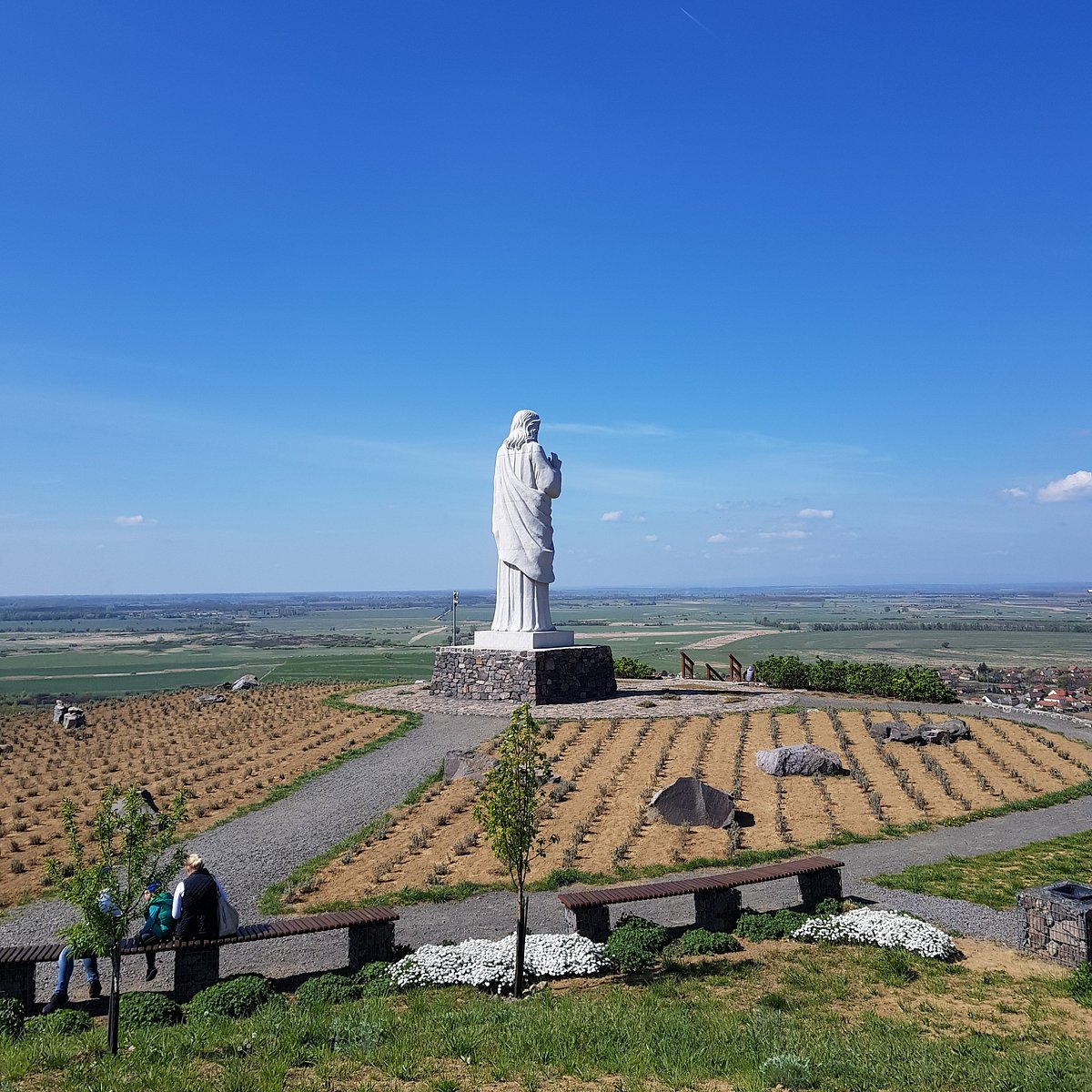
Stand at the summit for a panoramic view of the winding Tisza river and the surrounding volcanic vineyards. This location offers the widest perspective of the landscape for your tokaj wine tasting memories.
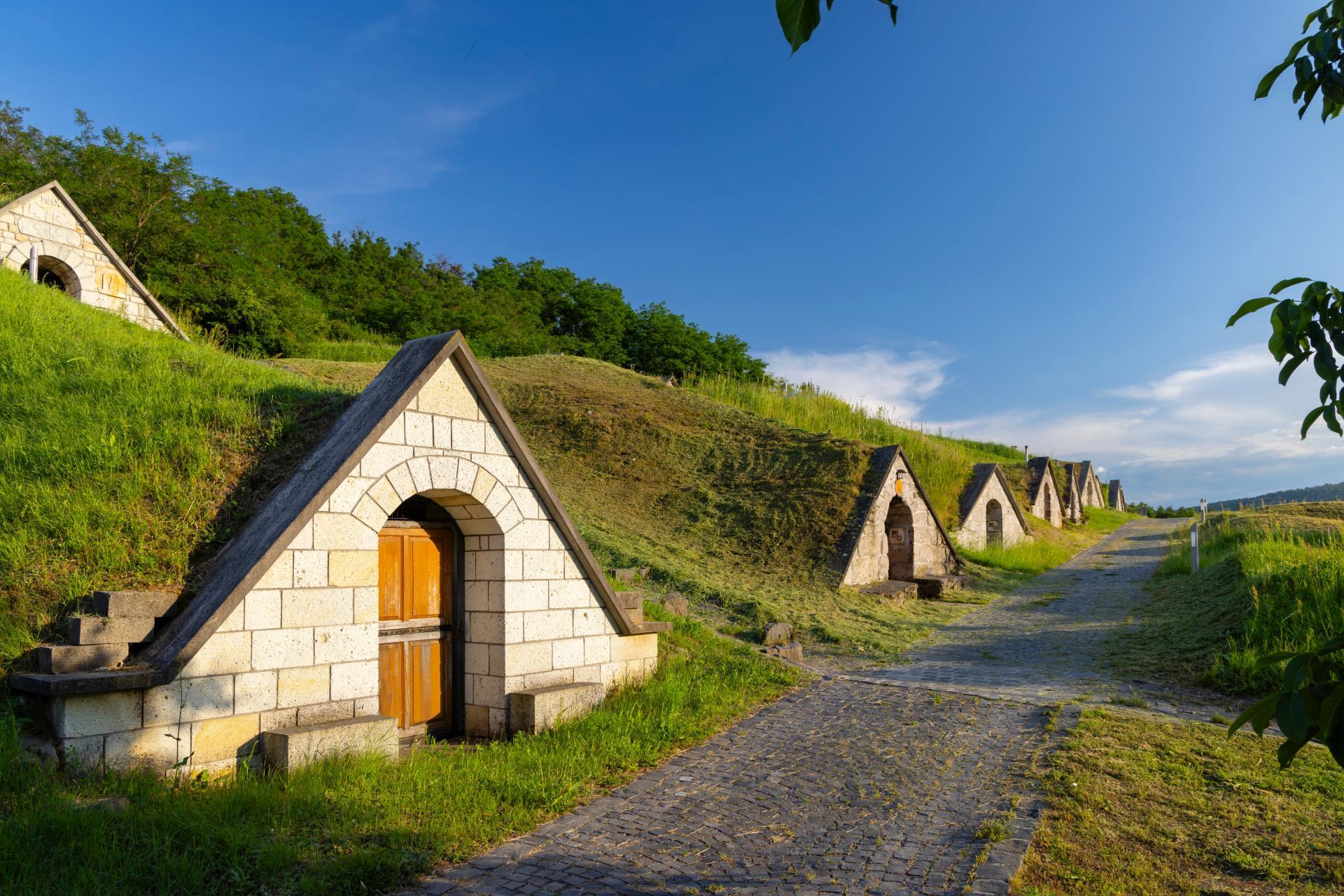
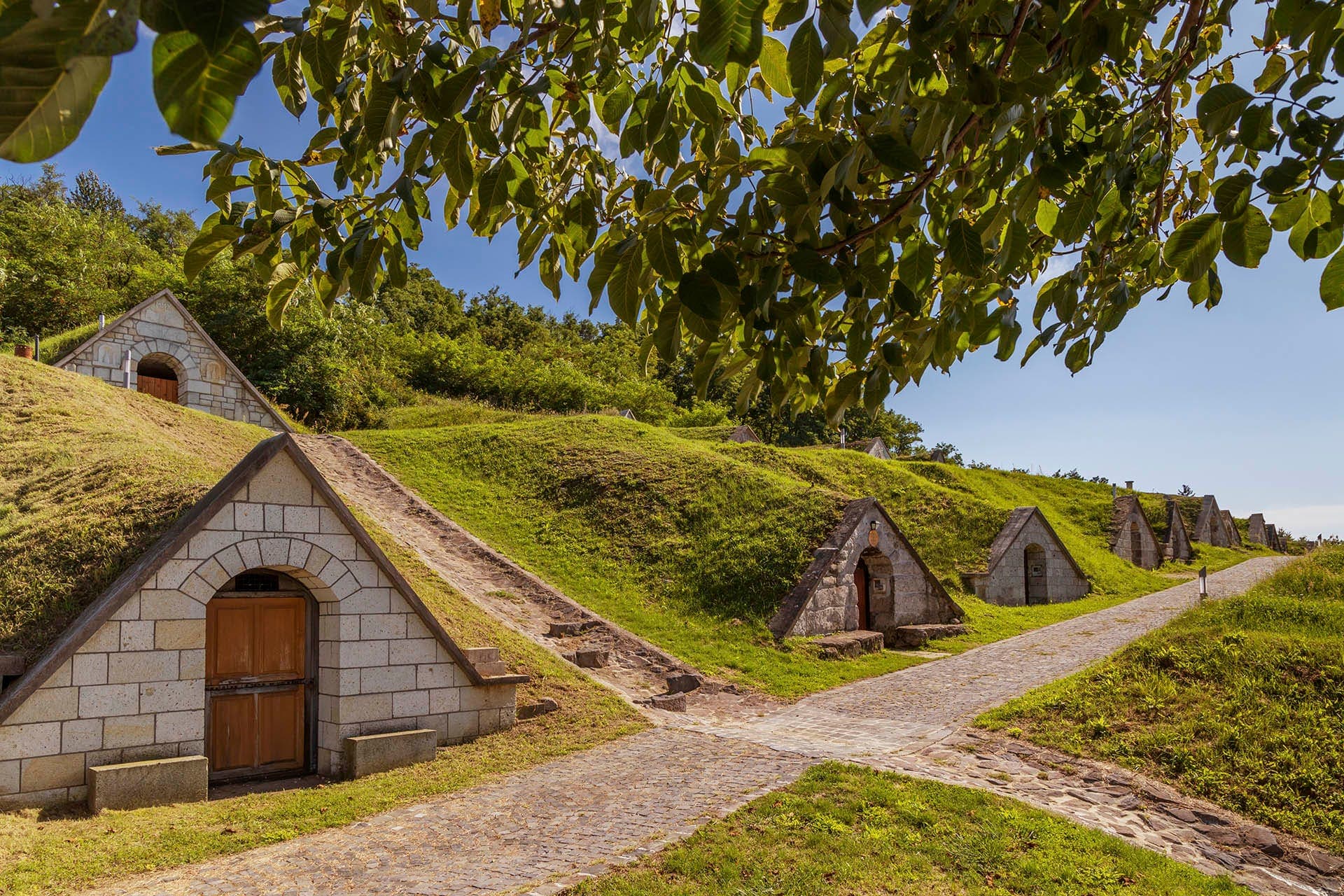
Capture the weathered wooden cellar doors nestled into the hillside, showcasing the traditional architecture of the region. Frame your shot from the path level to emphasize the texture of the historic stone foundations common in tokaj wine tasting tours.
This site provides an elevated position overlooking the iconic heart-shaped lake and the vast vines below. It is a preferred spot for those seeking tokaj wine tasting tickets to document the unique topography of the area.
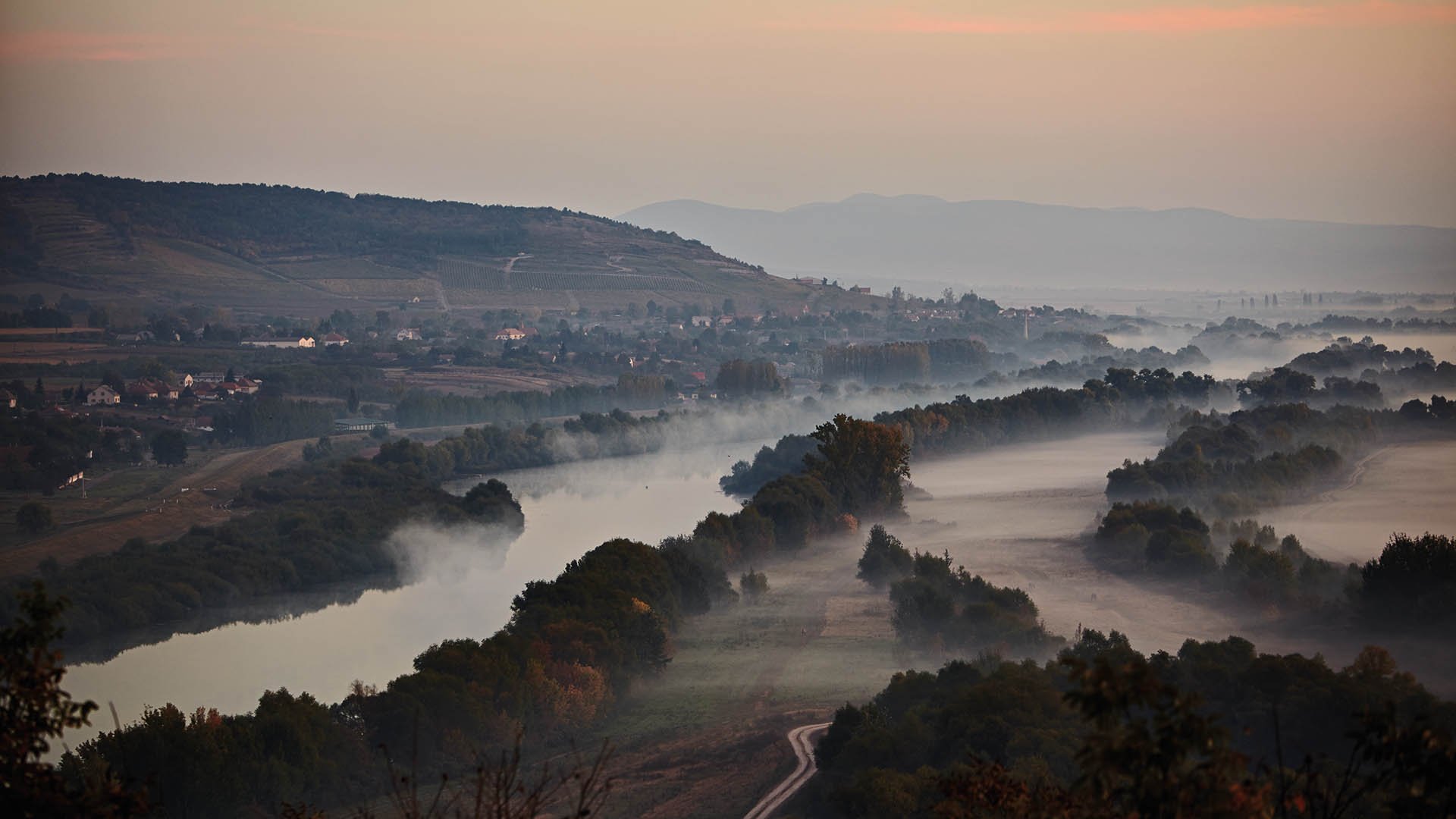
Position your camera along the water to photograph the mist rising over the vineyards during the autumn months. It serves as an atmospheric backdrop for a professional tokaj wine tasting tour portfolio.
Dining in the Tokaj Wine Region is an immersive experience where local bistros and winery restaurants emphasize fresh, seasonal ingredients paired with world-class regional labels near your tokaj wine tasting. You will find that most establishments require advance reservations, especially during the harvest season, to ensure you secure a table for these popular tokaj wine tasting tours.
An intimate, family-friendly bistro in the heart of Tokaj featuring contemporary Hungarian dishes and a lush garden setting perfect for post-tour relaxation.;Winestone Restaurant
Real experiences from real travelers
Our guide walked us through six Tokaji wines in a 200-year-old cellar carved into volcanic rock. The contrast between dry Furmint and the honeyed Aszú 6 Puttonyos was remarkable. Cellar temperature stayed around 12°C even in July heat. Book the extended tokaj wine tasting tour if you want to compare vintages.
Spent three hours visiting two family estates in the Mád area. Each tokaj wine tasting included seven pours plus explanations of the botrytis process. The volcanic soil gives these wines a distinct minerality you don't find elsewhere. Hosts were generous with their time and knowledge.
Descended into tunnels covered in black Cladosporium mold that regulates humidity naturally. Tasted five wines directly from barrel before trying bottled versions. The difference in texture was educational. This tokaj wine tasting experience gave me new respect for traditional methods. Arrive early to avoid tour bus groups.
Visited Disznókő estate on a rainy April morning. The late harvest Aszú had layers of apricot and orange peel. Staff spoke minimal English but the wines communicated clearly. Tasting room overlooks the vineyards where Zeta and Hárslevelű grapes grow on southeast-facing slopes.
Paid 3500 HUF for a premium tasting that would cost triple in Rioja. Guide explained how noble rot concentrates sugars while maintaining acidity. Tried a 2013 Eszencia with 450g residual sugar that tasted like liquid gold. The tokaj wine tasting tickets include cellar tour and small food pairing.
Toured Tokaj in early March when pruning work was underway in the vineyards. Fewer visitors meant longer conversations with winemakers. Learned about the puttonyos measurement system and how it relates to sweetness levels. Cellar tour included sections dating to the 1500s with hand-carved storage niches.
These underground tunnels maintain perfect aging conditions without modern climate control. Tasted six wines including a 2003 Aszú that showed how well these wines develop. The volcanic tuff walls create an ecosystem of beneficial fungi. Every serious wine enthusiast should experience tokaj wine tasting tours in their original context.
Our sommelier explained how pickers make multiple passes through vineyards to select only botrytis-affected grapes. Tasted the progression from 3 to 6 Puttonyos and finally Eszencia. The 2016 vintage had beautiful balance between sweetness and acidity. Paired samples with Hungarian sheep cheese and walnut bread.
Skipped the large estates and visited two small family cellars recommended by our guesthouse. Each tokaj wine tasting session felt like visiting friends rather than a commercial tour. Hosts shared wines they keep for personal consumption. Left with three bottles and genuine appreciation for the craft.
The golden Aszú wines have a complexity I've never encountered in Sauternes or German TBA. Volcanic terroir contributes a smoky mineral note beneath the fruit. Visited during early summer when the Bodrog river mist creates ideal conditions for noble rot development. Cellar tour and five-wine flight took about 90 minutes.
Everything you need to know for your journey
Wineries typically operate between 08:00–16:00, Monday through Friday, with many closed on weekends.
Yes, the Tokaj Wine Region has 0 HUF entrance fee for the region, though individual wineries charge for your specific tokaj wine tasting experience.
Yes, advance booking is highly recommended for all tokaj wine tasting tours to ensure staff availability.
Accessibility varies significantly as many cellars are historic; please contact your chosen winery directly to confirm if their specific tokaj wine tasting space is accessible.
Outside food is generally not permitted during a formal tokaj wine tasting; however, many wineries offer curated local pairings for purchase.
While children are welcome in the region, the tokaj wine tasting tour is adult-oriented; please check with the estate regarding family policies.
The best daylight for a tokaj wine tasting tour is between 08:00–15:00, especially during the harvest season in autumn.
You can travel by train from Budapest-Keleti to Tokaj or drive, with a typical arrival window between 08:00–15:00.
Photography is generally permitted, though you should always request consent from your host before capturing your tokaj wine tasting session.
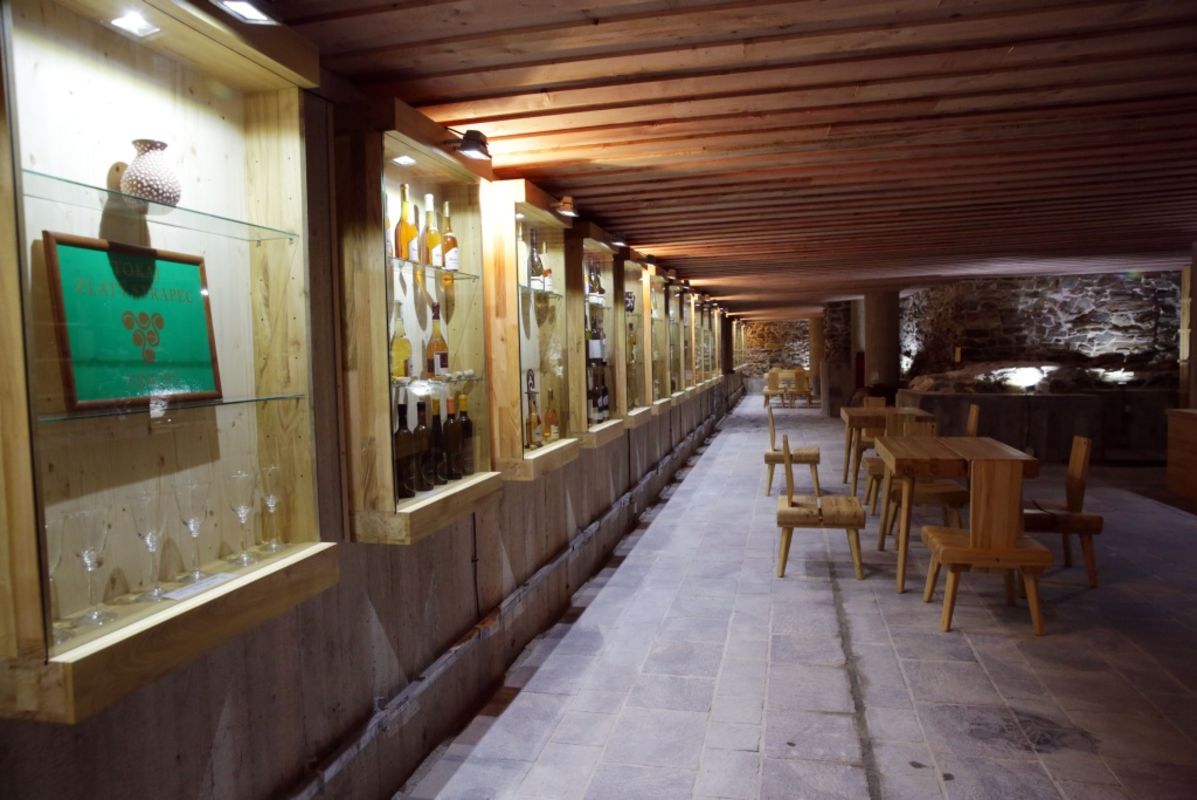
Exhibits on winemaking history and noble rot.
Five-star spa hotel located in the heart of the region.
Join thousands of happy travelers who have discovered this incredible experience
Book Your Experience Now