

Quick answer
Tokaji wine tasting notes vary by style: Aszú delivers apricot, honey and orange peel with balancing acidity and a finish that lasts minutes; dry Furmint shows green apple, lime zest and wet stone minerality; Szamorodni offers walnut, dried fig and sherry-like oxidation. Sweetness is measured in puttonyos for Aszú (3 to 6, indicating berry concentration) or stated as dry, semi-dry or sweet for other wines. All Tokaji wines share high acidity and volcanic terroir influence.
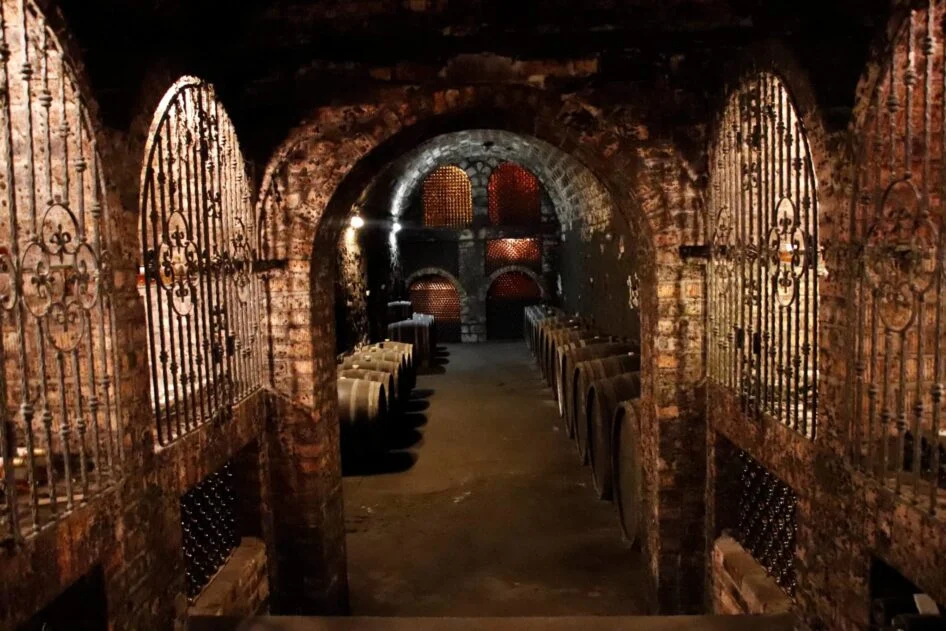
Tokaji Aszú begins with botrytized grapes—berries shriveled by noble rot that concentrate sugars to nearly raisin levels. The resulting wine tastes of dried apricot, acacia honey, candied orange peel and sometimes saffron or ginger, held together by cutting acidity that prevents cloying sweetness. The puttonyos scale, ranging from 3 to 6, indicates the ratio of Aszú berries to base wine; a 6-puttonyos bottle will coat the glass and finish for two minutes or more. Aszú Eszencia, the rarest expression, ferments so slowly that some vintages take years to reach even five percent alcohol, tasting more like liquid fruit preserve than conventional wine. Dry Furmint represents the region's modern pivot toward table wines. These bottles show green apple, lime zest, white pepper and a saline minerality traced to volcanic tuff soils. The best examples age for a decade, developing notes of beeswax and lanolin while retaining their tense acidity. Hárslevelű, the region's other key white grape, adds peach and elderflower aromatics but is rarely bottled alone. Blends of the two grapes balance Furmint's structure with Hárslevelű's perfume. Szamorodni—meaning "as it comes"—ferments whole bunches of mixed healthy and botrytized grapes without sorting. Dry Szamorodni tastes like fino sherry: walnut skin, green olive, chamomile and sourdough, shaped by oxidative aging under a film of indigenous yeast. Sweet Szamorodni bridges the gap between Aszú and dry wines, offering dried fig, caramel and a hint of volatile acidity that adds lift. Both styles spend years in small oak casks, losing volume to evaporation and gaining complexity from controlled oxygen exposure. Late-harvest wines, labeled simply as "késői szüretelésű," fall between dry Furmint and entry-level Aszú in sweetness. They show ripe stone fruit—peach, nectarine, apricot—without the full botrytis character, making them approachable introductions to the region's sweeter styles. When tasting any Tokaji wine, note the interplay between sweetness and acidity; the latter defines the region and determines whether a wine feels balanced or heavy. Volcanic minerality appears as a saline or flinty edge, most pronounced in dry wines but present even in the sweetest Aszú. Cellar temperature matters: wines stored in the region's historic tunnels develop slower, gaining tertiary notes of tobacco, leather and dried mushroom that mark mature bottles.
“The puttonyos scale indicates the ratio of Aszú berries to base wine; a 6-puttonyos bottle will coat the glass and finish for two minutes or more.”
When to Plan Your Tokaji Wine Tasting Notes Visit
The optimal time to conduct Tokaji wine tasting notes visits is within the best arrival window of 10:00–16:00. Arriving during this period ensures full access to winery services and cellar tours before late afternoon closures.
May to June
ModerateMild, 18°C to 24°C
Vineyards are active and the weather supports outdoor cellar exploration. Ideal for those avoiding peak summer heat.
July to August
HighWarm, 25°C to 30°C
Expect higher visitor numbers during the summer peak. Book tours in advance to secure spots within the morning window.
September to October
Moderate to HighCool, 12°C to 20°C
The harvest season offers significant insight into production. The climate is comfortable for walking between estates.
Weekday mornings
Low—
Arrivals between 10:00 and 12:00 provide the quietest conditions for tasting. Cellars are most accessible before the afternoon peak.
Verdict: The best slot for a visit is Tuesday to Thursday, arriving between 10:00 and 16:00, during the months of May or October.
Weekly Operating Hours for Tokaji Wine Tasting Notes
The Tokaj Wine Region welcomes visitors throughout the week, with consistent operating hours from Tuesday through Sunday. Please note that the region remains closed on Mondays.
| Monday | Closed | |
|---|---|---|
| Tuesday | 10:00–17:00 | |
| Wednesday | 10:00–17:00 | |
| Thursday | 10:00–17:00 | |
| Friday | 10:00–17:00 | |
| Saturday | 10:00–17:00 | |
| Sunday | 10:00–17:00 |
Admission and Costs for Tokaji Wine Tasting Notes
Access to the Tokaj Wine Region is open to the public without a general entrance fee. Individual wineries establish their own costs for private cellar tours and structured tasting sessions.
Visitors pay 0 HUF to enter the region, while total costs depend on the specific winery tours and tasting flights selected.
Reaching the Site for Tokaji Wine Tasting Notes
The Tokaj Wine Region is located in northeastern Hungary, centered around the town of Tokaj at 3910 Tokaj, Hungary. Most visitors access the region via the regional rail network or by driving along the M3 motorway.
MÁV-START from Budapest-Nyugati to Tokaj station
M3 motorway towards Nyíregyháza, exiting toward route 38
Volánbusz regional services to Tokaj bus station
Expert Tips for Refining Your Tokaji Wine Tasting Notes
Master the art of evaluating Tokaji wines by focusing on the interplay between residual sugar, acidity, and botrytis character.
Sequence your tasting
Start with dry Furmint to establish a baseline of acidity before moving to late harvest wines or Aszú. This prevents the high sugar levels of sweet wines from masking the delicate minerality of dry styles.
Quantify the puttonyos
When tasting Aszú, note how the puttonyos level correlates with the intensity of apricot and honey notes. Higher puttonyos counts generally indicate a more concentrated, syrupy texture rather than just increased sweetness.
Cleanse your palate
Water alone is rarely sufficient when sampling high-sugar wines; use neutral crackers or bread to reset your palate between pours. This ensures you can accurately distinguish the distinct botrytis profile in consecutive glasses.
Engage the winemaker
Ask specifically about the proportion of Furmint, Hárslevelű, and Sárgamuskotály in a blend. Understanding the varietal composition provides essential context for the wine's aromatic structure and aging potential.
Observe the color
Pour a small amount and observe the depth of gold against a white background. Deep amber or mahogany hues in older Aszú wines often signal oxidation notes like tea, dried fig, or orange peel.
Check availability
Frequently Asked Questions About Tokaji Wine Tasting Notes
Everything you need to know about tokaji wine tasting notes