1 hr 15 min
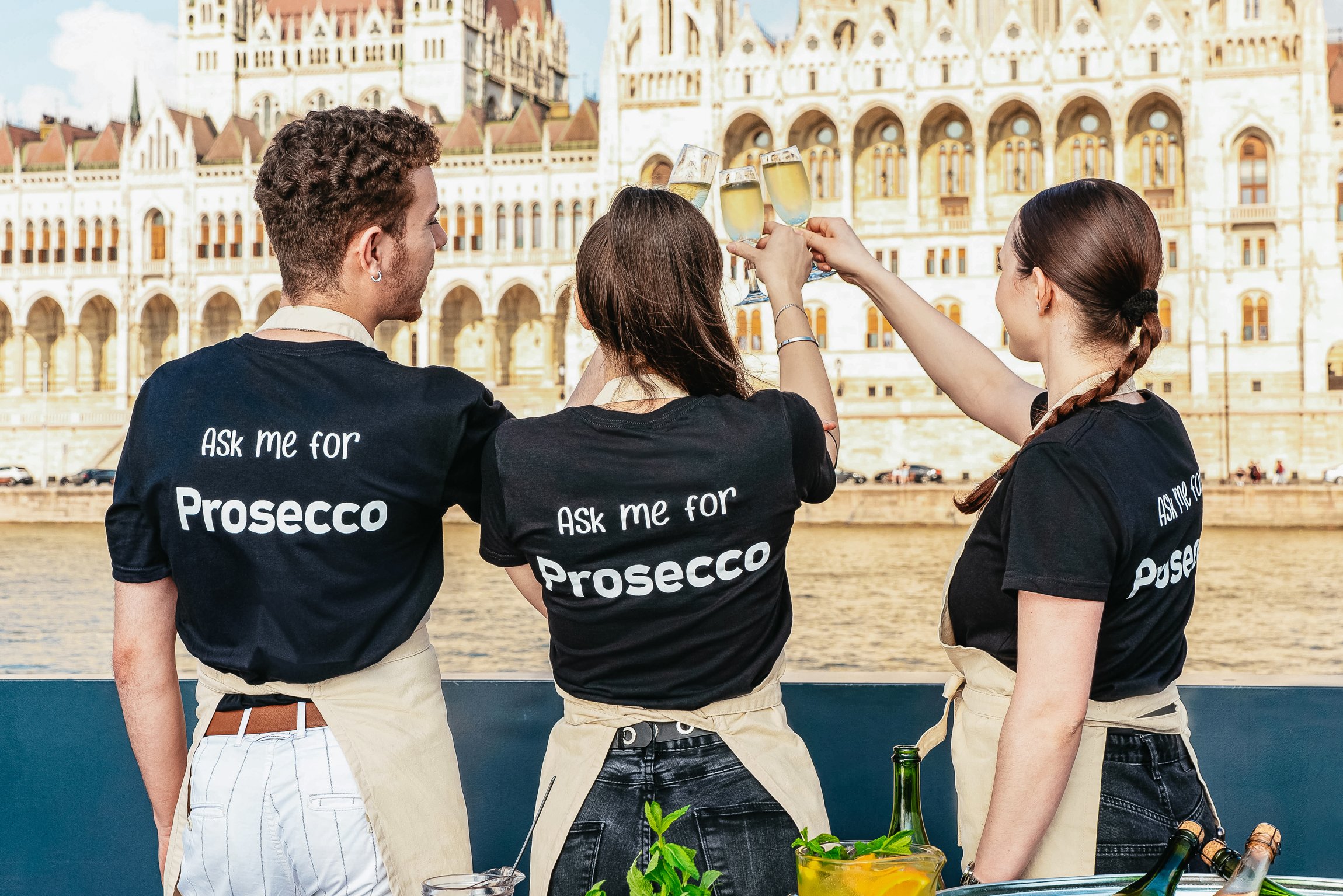
Danube River Cruise with Unlimited Drinks
- Entry ticket
- Mobile voucher
- Valid same day
- Free cancellation
Tokaj Wine Tasting Budapest — Cellars, Aszú & Regional Tours
Northeast Hungary's volcanic slopes, centuries of noble rot
Compare fares, pick the fit — all bookings are mobile-voucher and eligible for free cancellation where shown.
1 hr 15 min
5 hr
1 hr 30 min
Visitors planning a tokaj wine tasting budapest trip can choose between various local winery experiences in the Tokaj Wine Region, ranging from standard cellar tours to immersive masterclasses. These regional activities provide direct access to UNESCO World Heritage subterranean cellars and expert-led tastings of indigenous Furmint and Aszú varieties.
| Standard Cellar Visit Self-guided & Tasting |
Top pick Masterclass Experience Sommelier-led |
Full-Day Vineyard Tour Regional transport included | |
|---|---|---|---|
| Access Level | Cellar Entry | Cellar & Tasting Room | Full Estate Access |
| Wine Samples | 3–5 wines | 6 wines | 8+ wines |
| Duration | 45–60 minutes | 90–120 minutes | Full Day (8–10 hours) |
| Booking Method | Walk-in or Call | Reservation Required | Advanced Booking Required |
| Best for | Casual visitors | First-timers | Wine enthusiasts |
| See tickets & prices |
Verdict: For those seeking the most comprehensive introduction to the area, the Masterclass Experience is the best way to enjoy your tokaj wine tasting budapest tickets.
Worth it for wine enthusiasts, not casual sippers
The Tokaj Wine Region offers free entry to the historic wine area itself, but the real value lies in the specialized tastings and cellar tours you book once there. On this page, tours like the Etyek Wine Region Half-Day Tour with Lunch from Budapest and the Hungarian Wine & Tapas Tasting Experience deliver structured vineyard access, guided pairings, and transportation from the capital—eliminating the logistical friction of reaching Tokaj independently. For serious wine lovers, tokaj wine tasting budapest tours justify their cost through access to Aszú dessert wines, centuries-old cellars carved into volcanic hillsides, and expert sommeliers who decode the region's six-puttonyos classification system. Casual tourists may find better value in shorter Budapest-based wine experiences like the Hungarian Wine & Artisan Food Pairing, which covers Hungarian varietals without the three-hour round trip. The Danube River Cruise with Unlimited Drinks trades depth for convenience but skips the terroir entirely.
Bottom line: Book a structured tour if Tokaji Aszú and vineyard heritage matter to you; skip it if convenience outweighs wine pedigree.
They complement each other; most visitors who do both call the Tokaj Wine Region the more immersive encounter, while Budapest wine bars offer unmatched convenience for sampling Aszú. Choosing between these tokaj wine tasting budapest tours depends on whether you seek direct vineyard connection or urban accessibility.
|
Top pick Tokaj Wine Region |
Budapest Wine Bars | |
|---|---|---|
| Authenticity of setting | Historical hillside cellars | Urban contemporary wine shops |
| Travel time investment | 2.5 hours from Budapest | Zero travel time |
| Depth of producer access | Direct meetings with winemakers | Curated selections via sommeliers |
| Vibe and atmosphere | Quiet rural landscape | Lively metropolitan social scene |
| Accessibility | Requires regional transit | Walking distance in city center |
| See tickets & prices |
Verdict: Select the Tokaj Wine Region for a deep dive into the volcanic terroir, or rely on these tokaj wine tasting budapest tickets for an efficient overview of Hungarian noble rot wines without leaving the capital.
Hand-picked experiences loved by thousands of travelers
3 hours
Free Cancellation
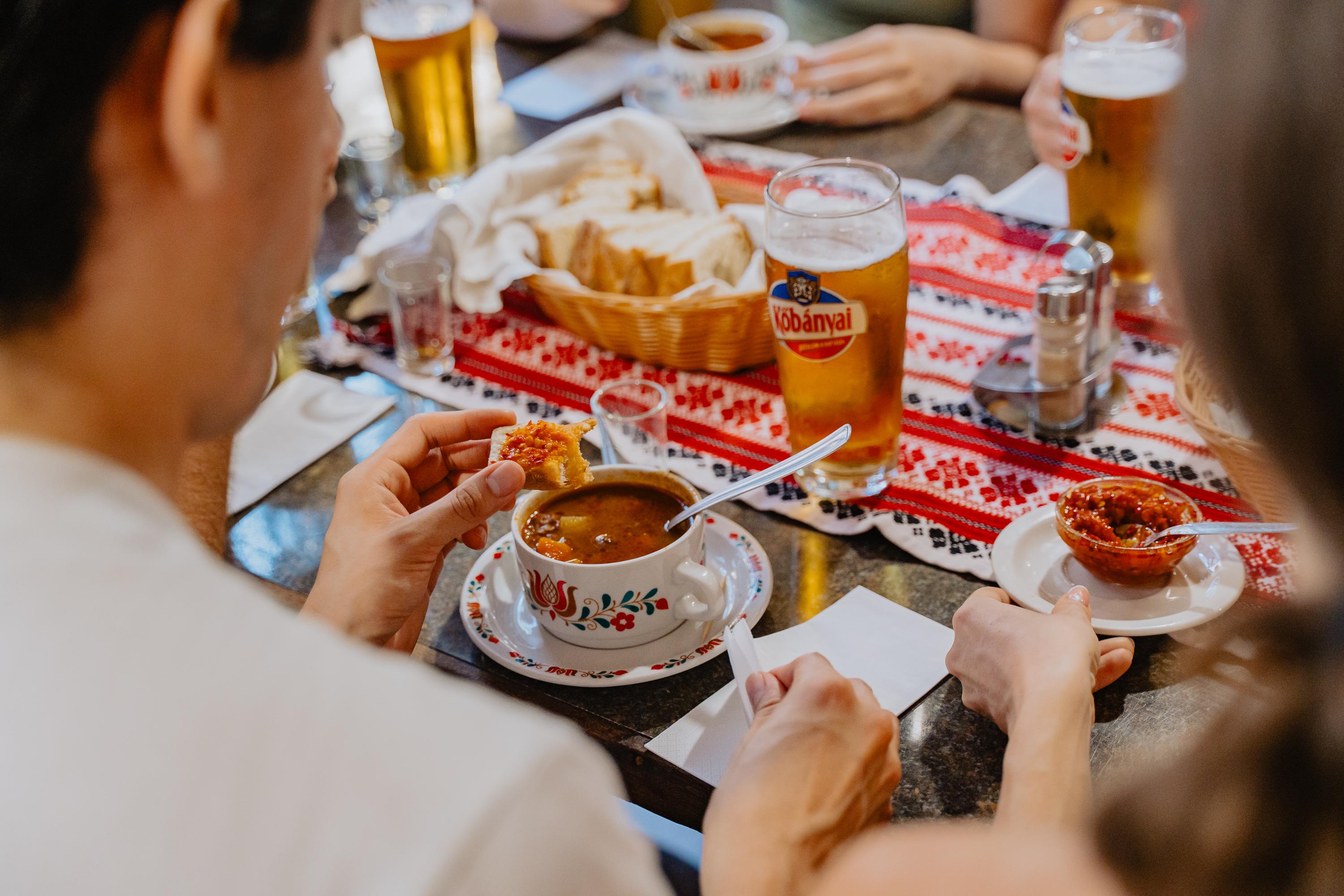
Explore Hungarian cuisine through 12+ tastings paired with local wines across authentic Budapest venues
2 hours
Free Cancellation
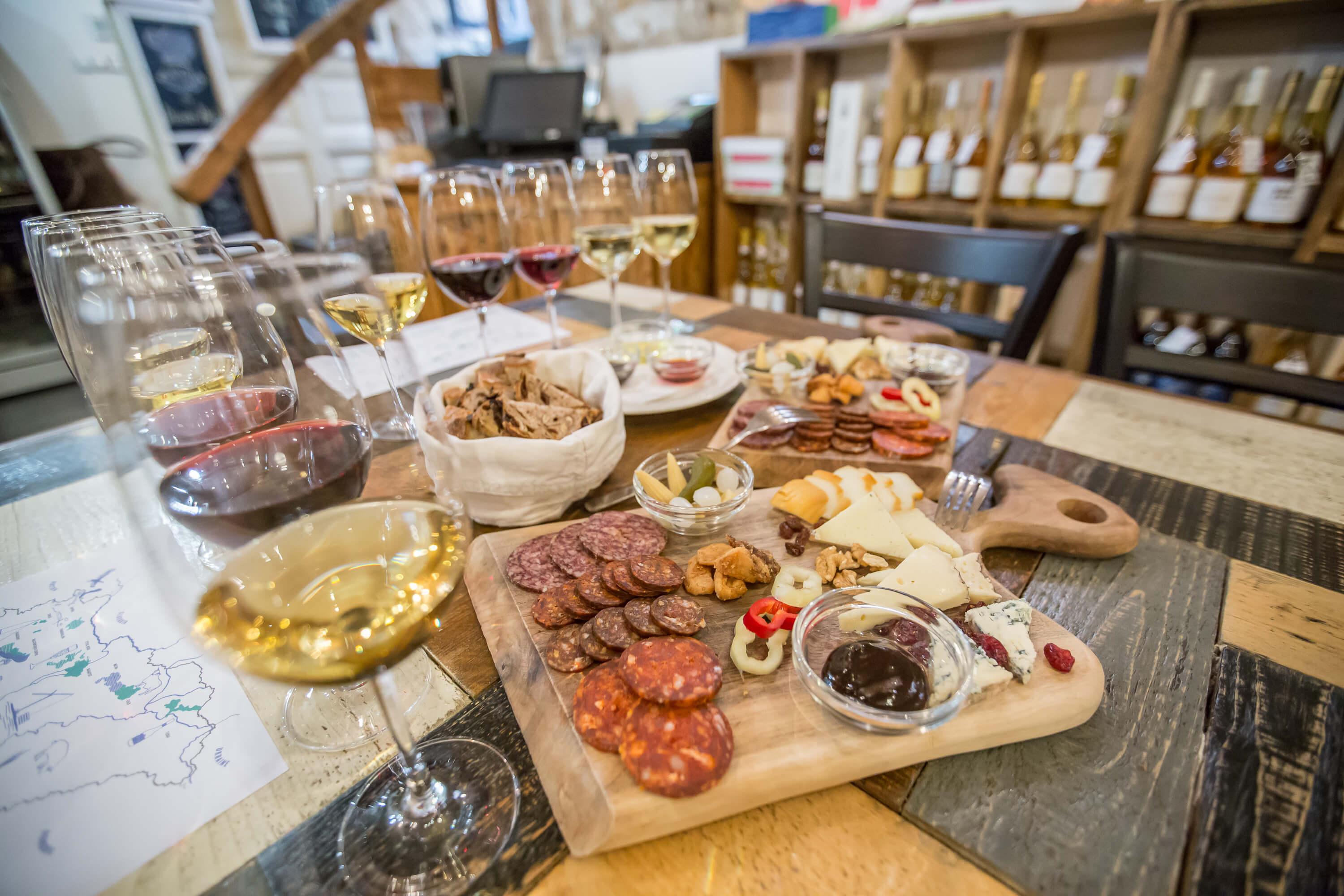
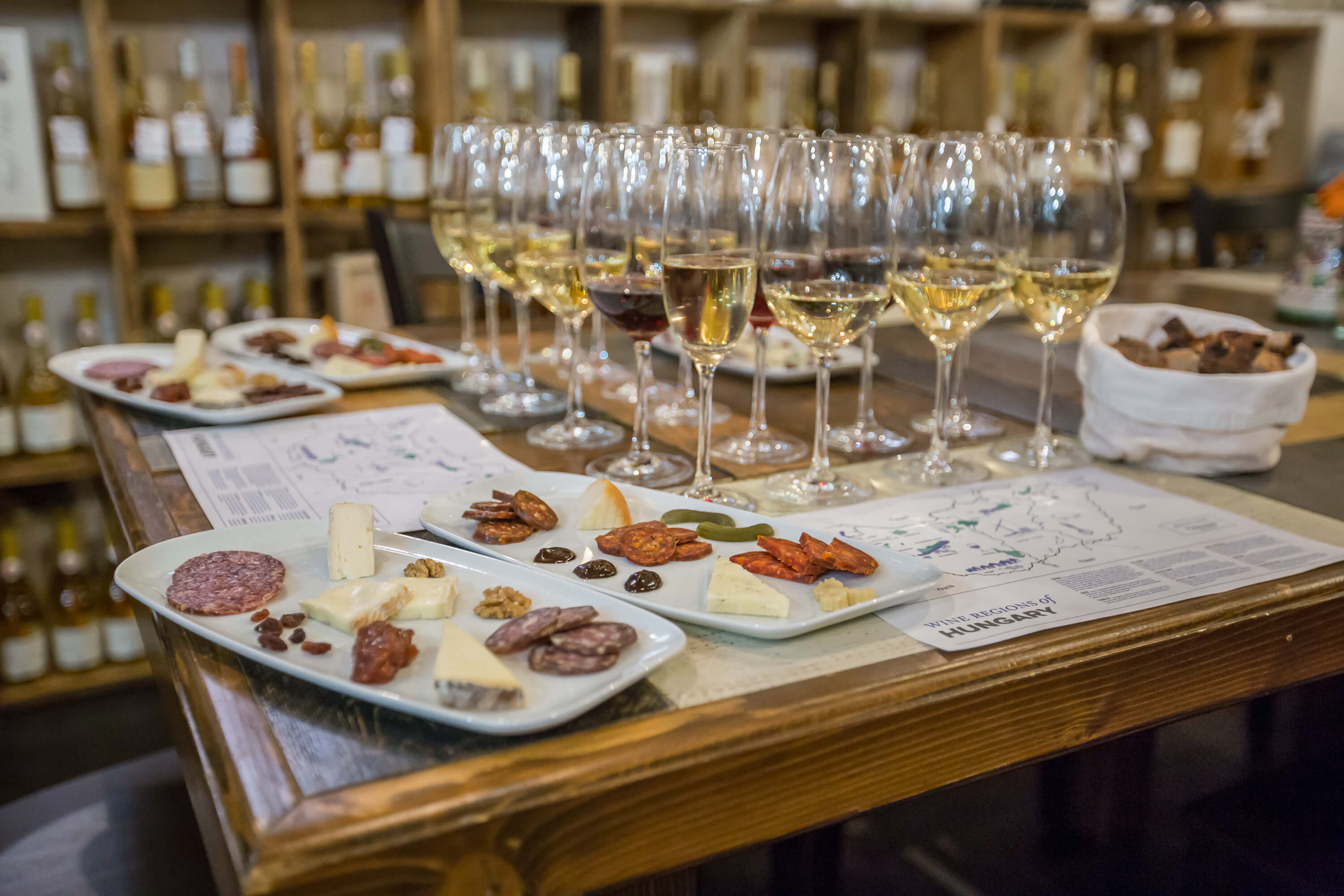
Sample eight distinctive Hungarian wines paired with local farm products at a central Budapest wine bar
2 hours
Free Cancellation
Explore Hungary's wine heritage through eight carefully selected varietals paired with artisan snacks
2 hours
Free Cancellation
Discover Hungary's winemaking heritage through eight expertly selected wines paired with local delicacies
3 hours
Free Cancellation
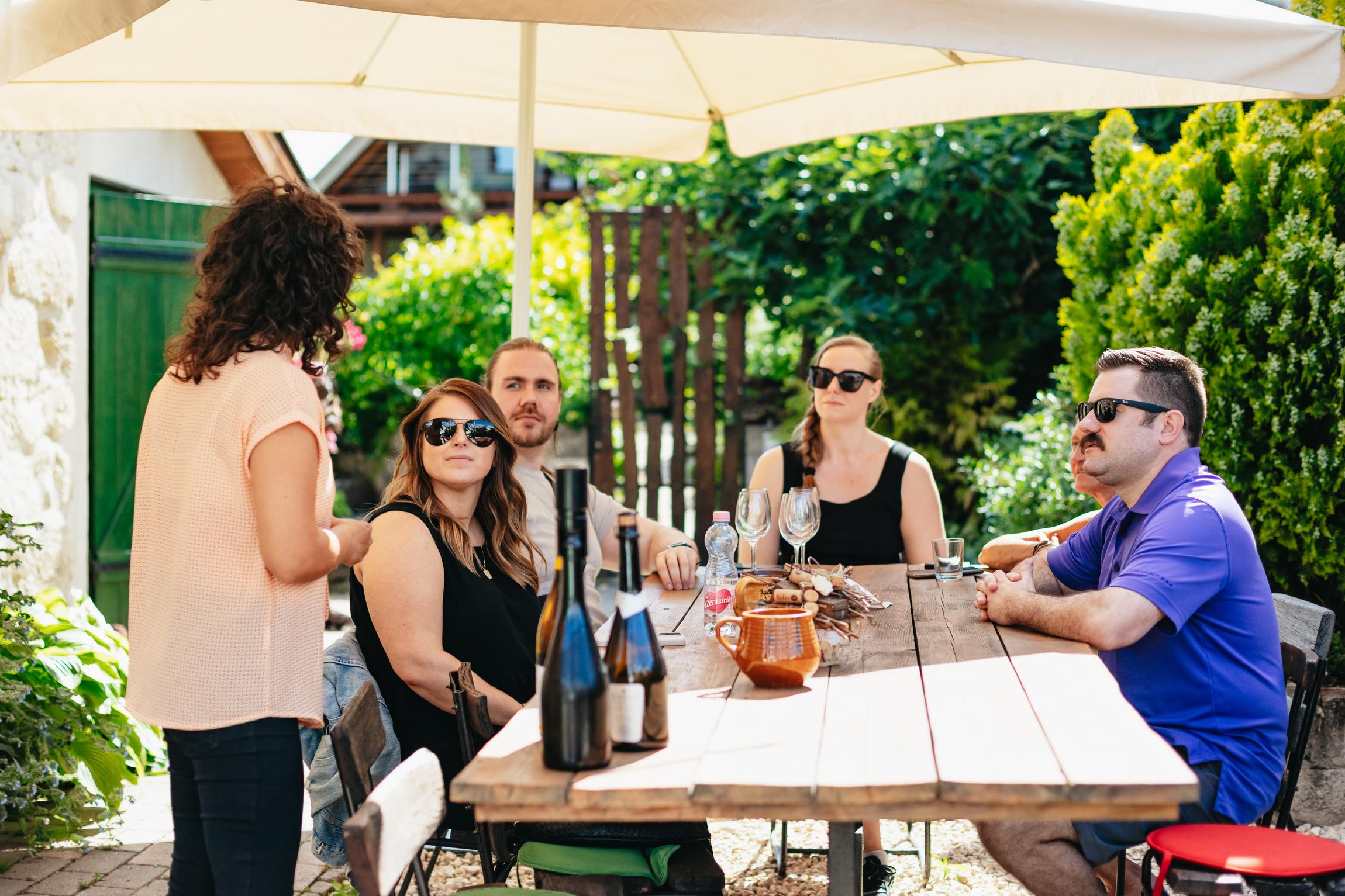
Journey to a historic Hungarian wine village for cellar tours, organic tastings, and local charcuterie
1 hour
Free Cancellation
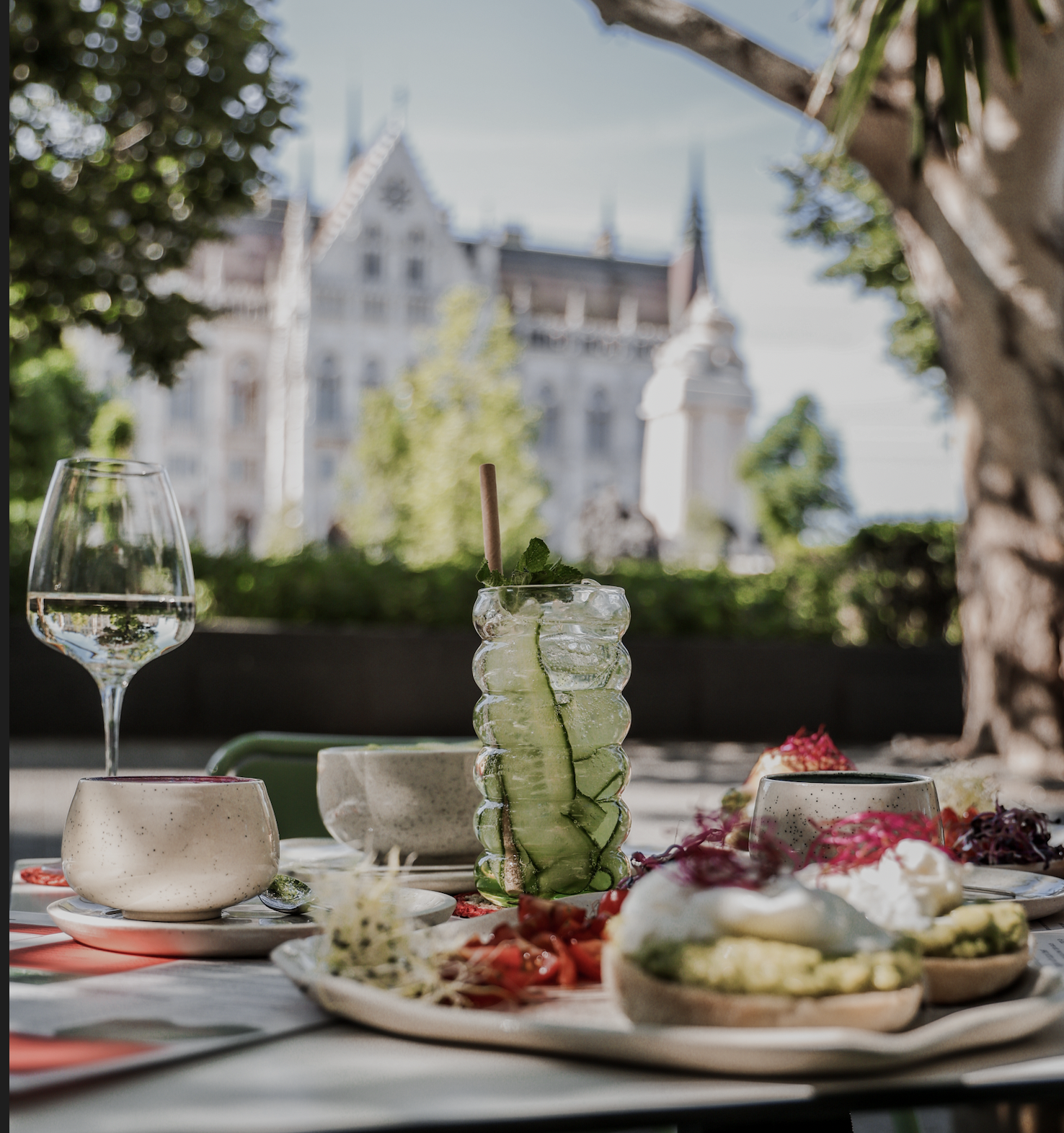
Sample three exceptional Tokaji wines while overlooking the illuminated Parliament building from a riverside café
12 hours
Free Cancellation
Discover Hungary's UNESCO-listed wine country on a personalized full-day journey through historic cellars
8 hours
Free Cancellation
Discover Hungary's legendary wine country on a full-day journey to historic Tokaj with vineyard visits and local cuisine
Travel to Tokaj Wine Region
Guided walk through historic cellars
Sample local Aszú wines
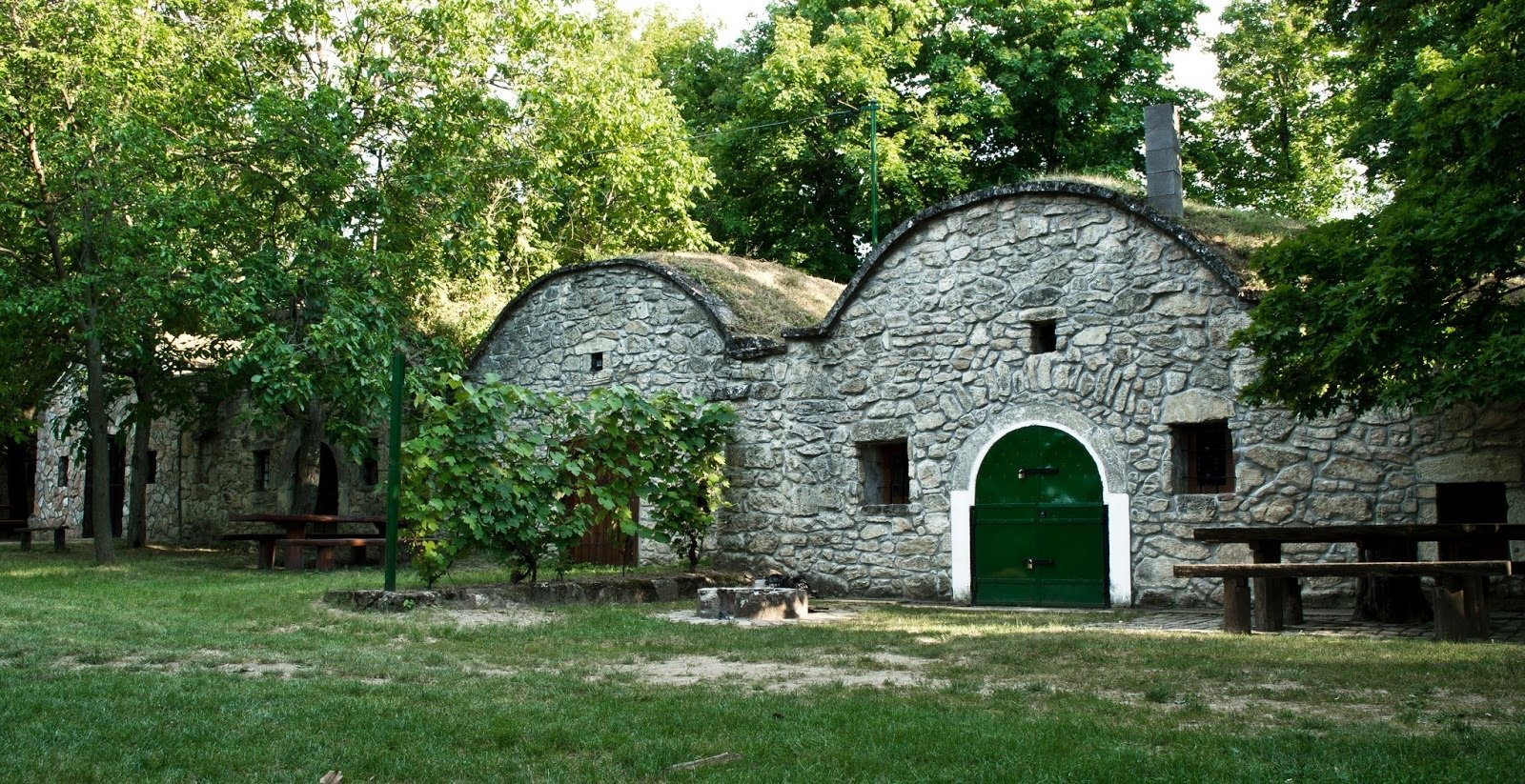
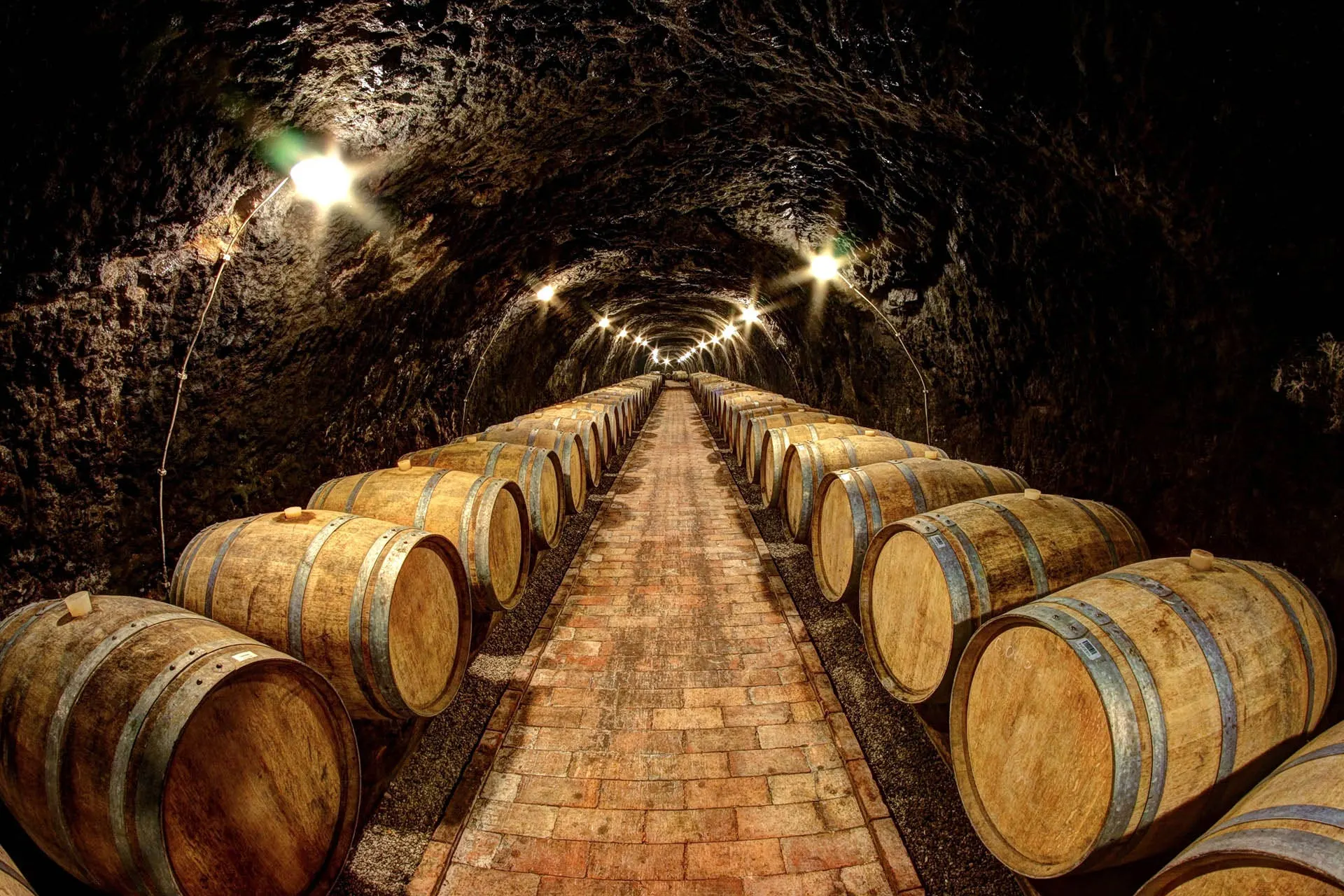
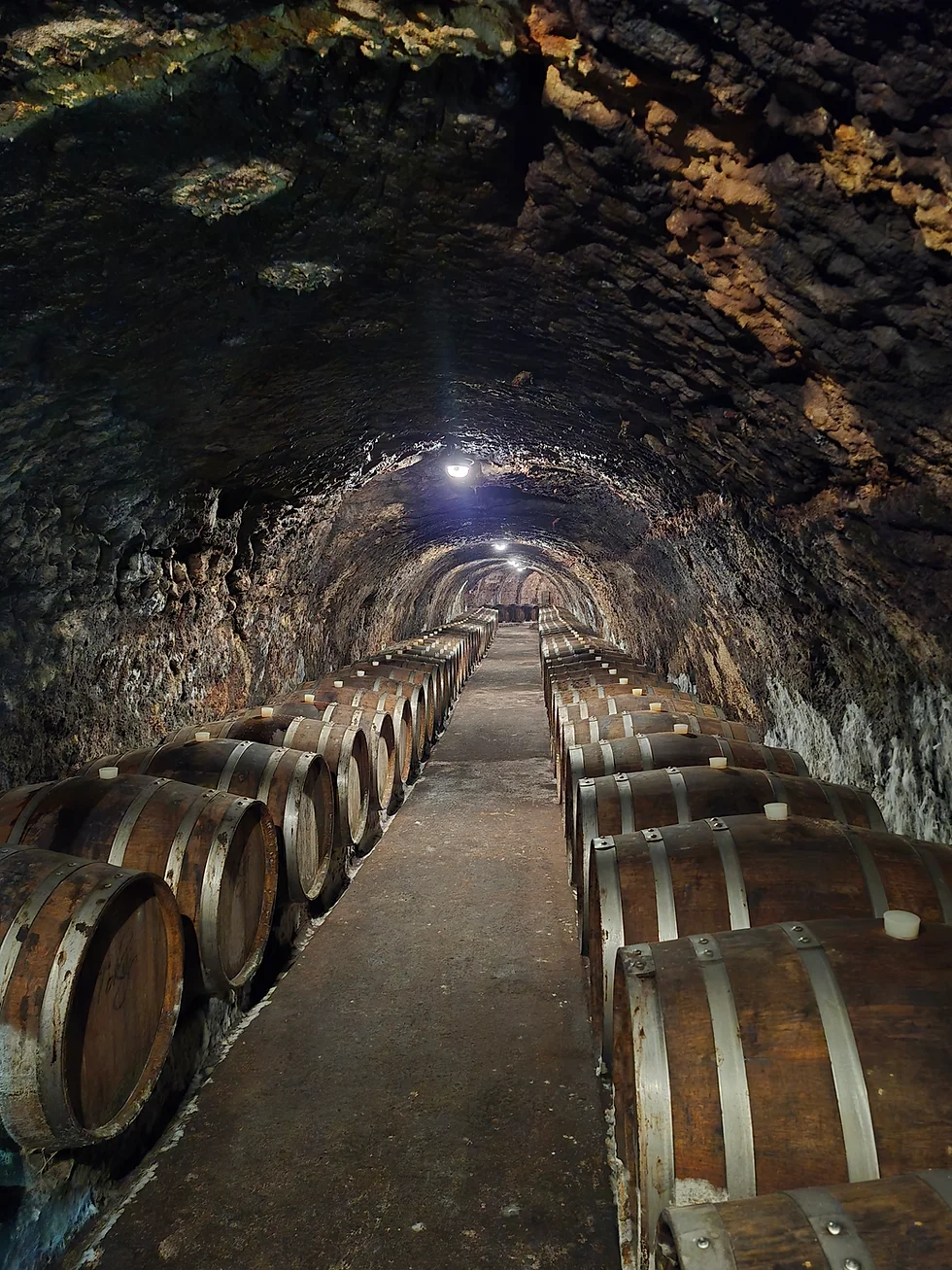
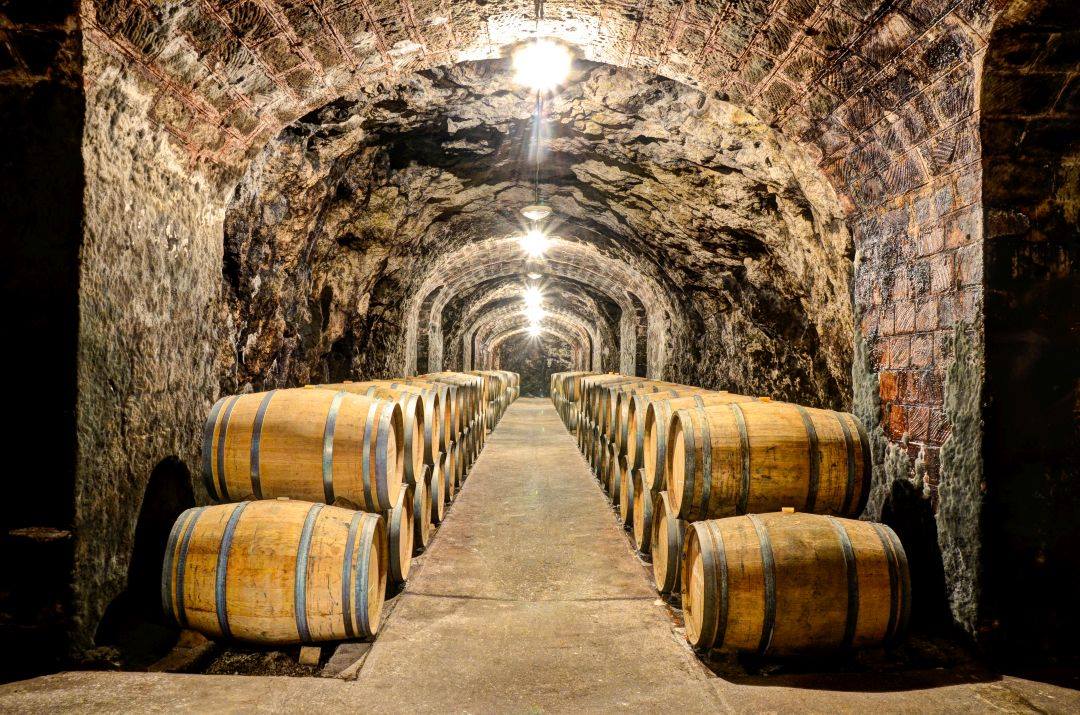
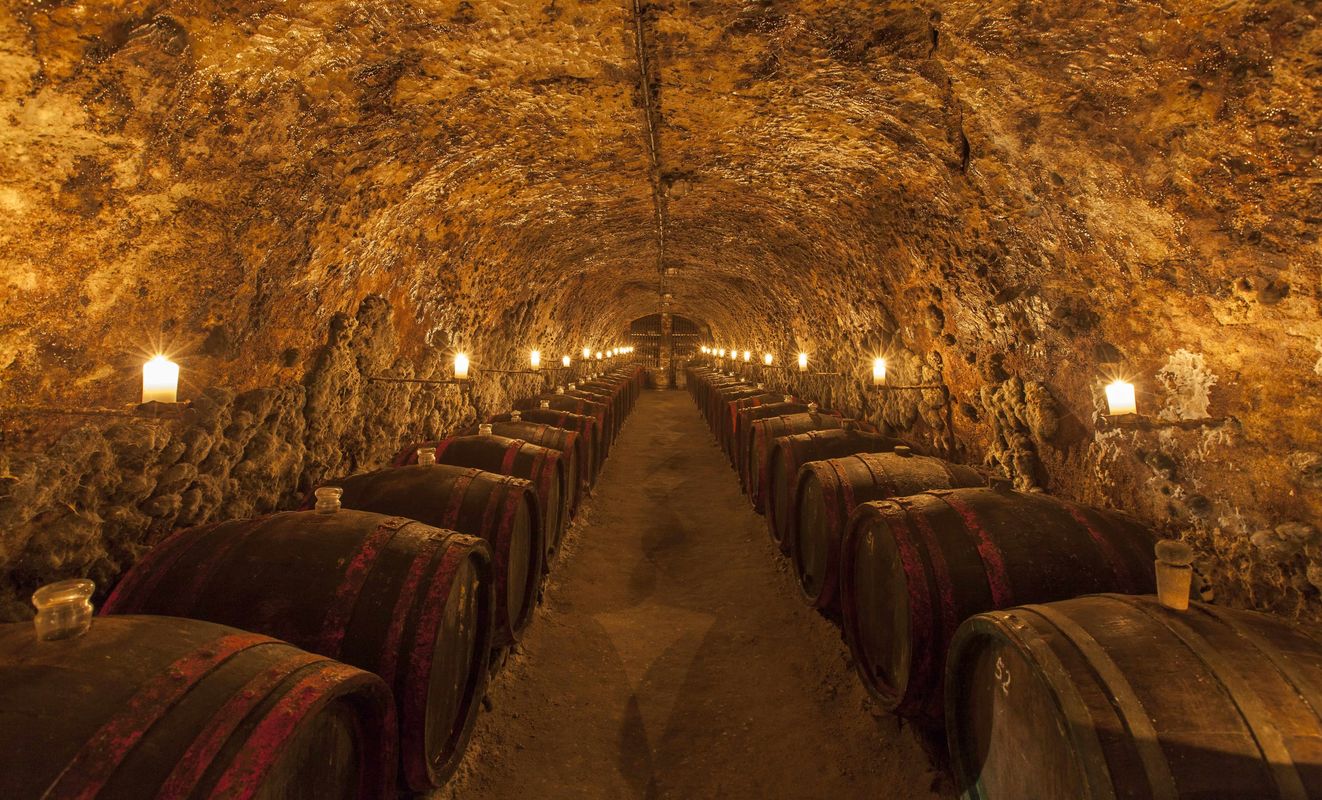
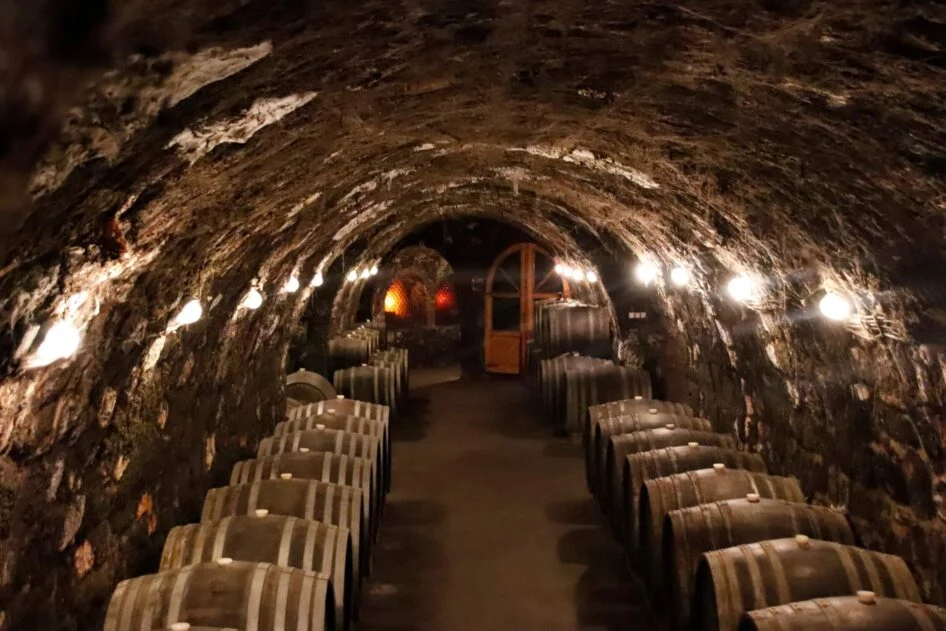
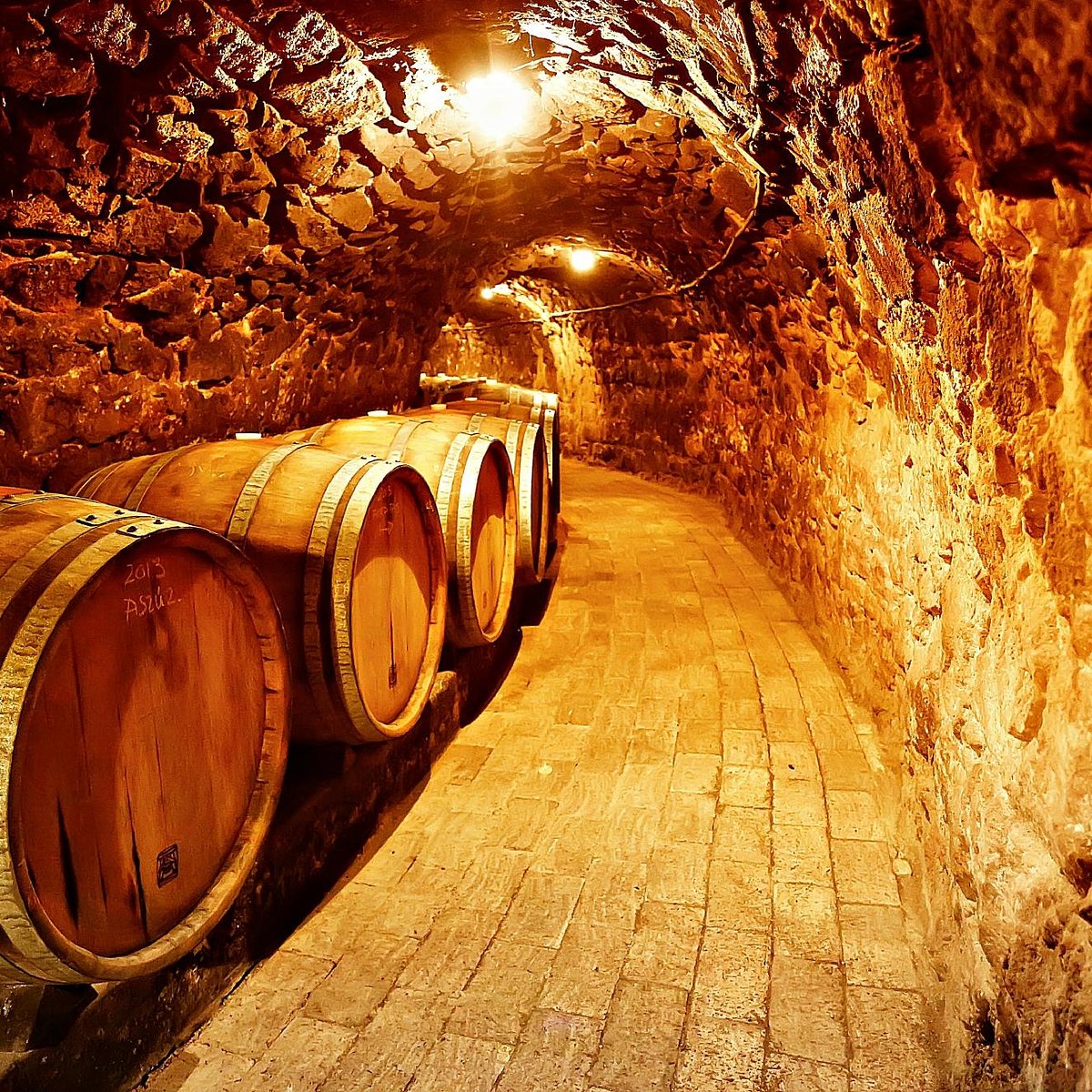
Ancient subterranean networks carved into volcanic rock reaching depths of over 10 meters.
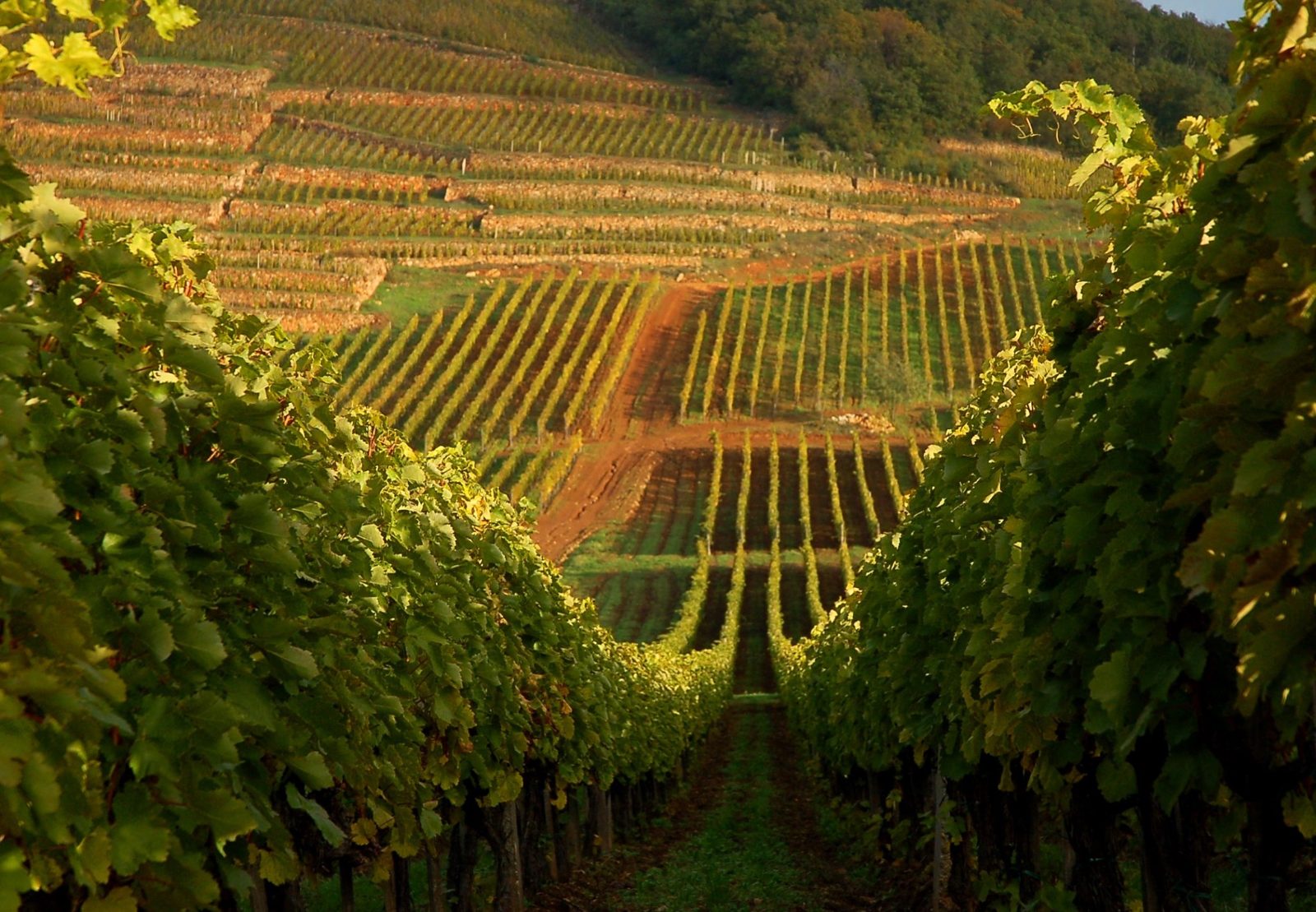
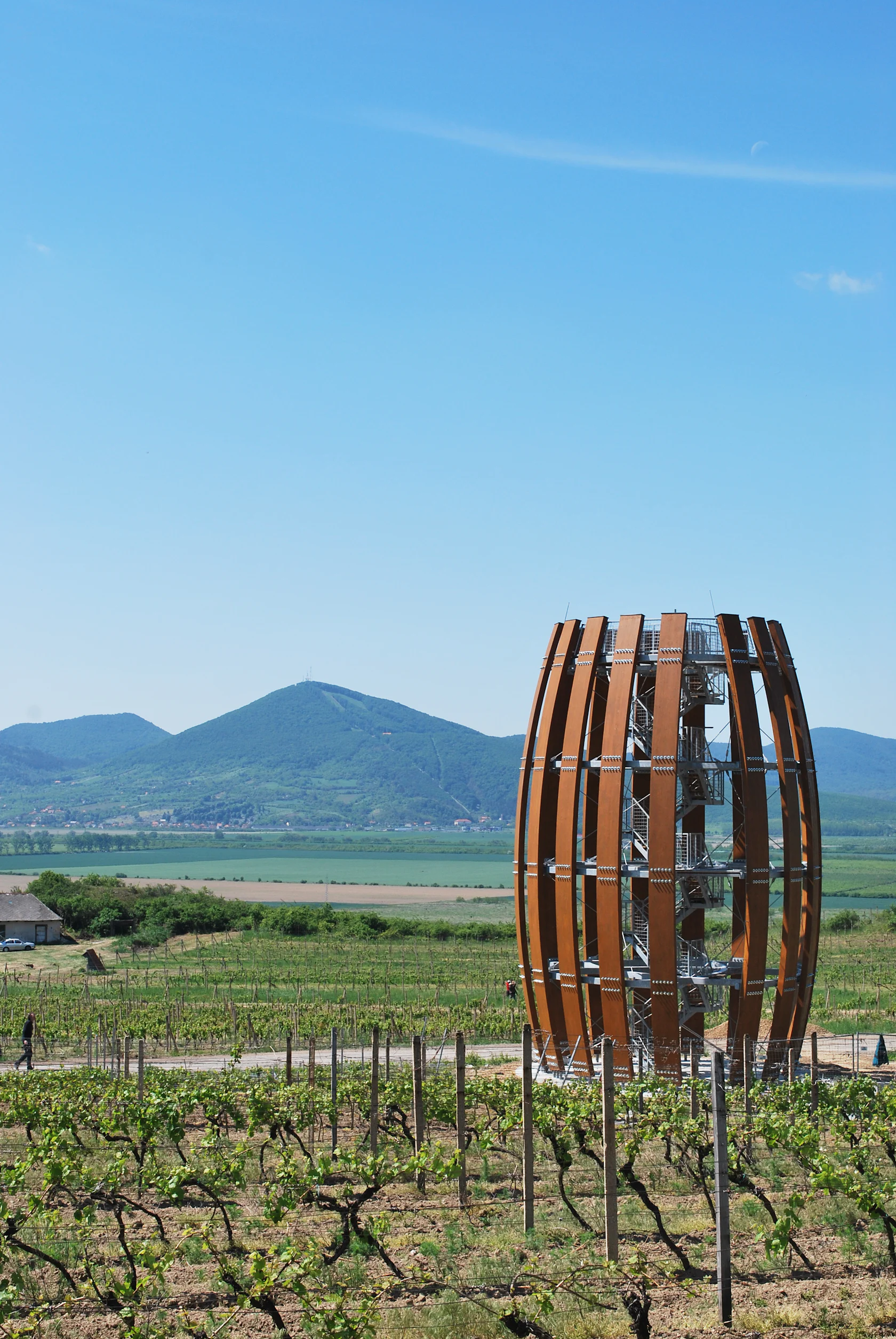
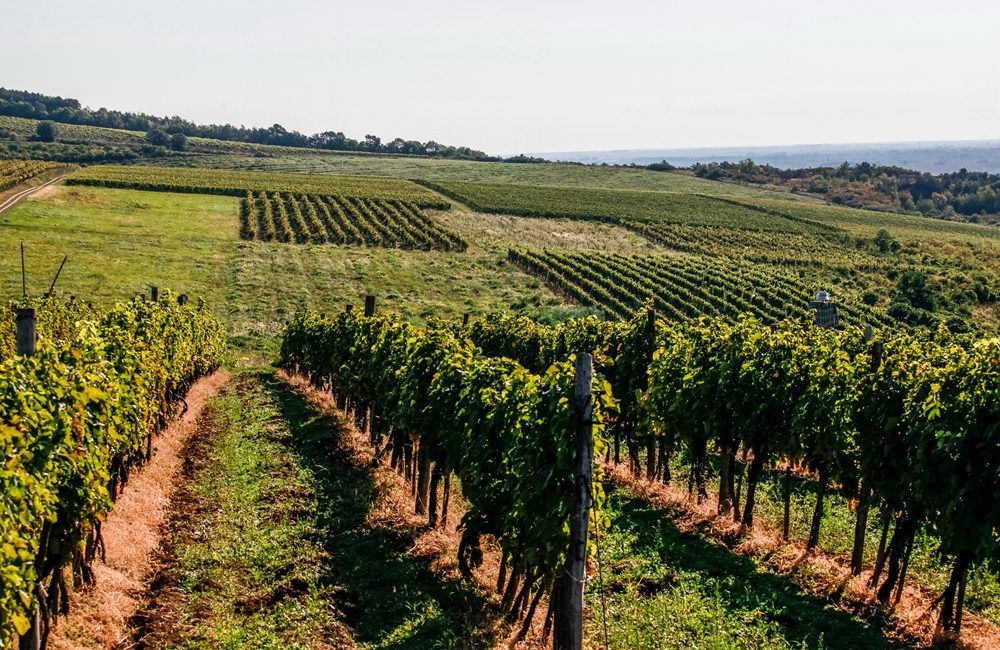
Expansive lands where the famous Furmint grapes are grown on sunny hillsides.
Facilities dedicated to the specialized process of crafting the world-renowned sweet dessert wine.
Stately 17th-century architecture that reflects the wealth generated by the historical wine trade.
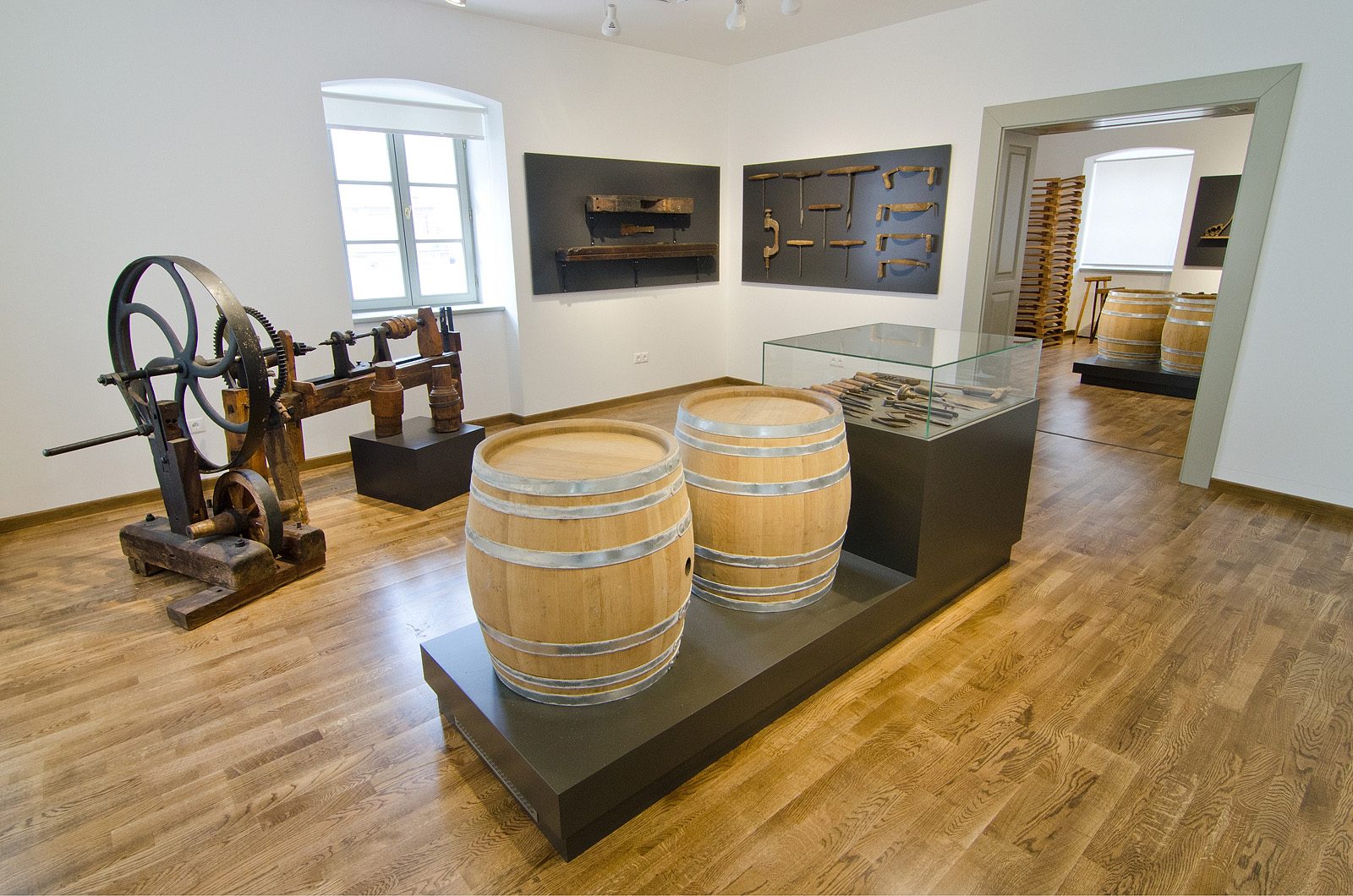
An exhibition detailing the centuries of viticulture that define this UNESCO-recognized territory.
You leave Budapest before sunrise, heading northeast on Route 3 as the Danube plains give way to the volcanic foothills of the Zemplén Mountains. By mid-morning you arrive in Tokaj village, where painted cellars line cobblestone lanes descending to the Bodrog River.
Your first tasting occurs in a sixteenth-century túfa cave, temperature stable at twelve degrees Celsius year-round, where a winemaker pours dry Furmint alongside three-puttonyos Aszú. You notice the mineral edge, the honey finish, the way acidity cuts through sweetness.
After a light lunch of lángos and sheep cheese, you drive to a hillside estate overlooking terraced vineyards. The cellar master draws a six-puttonyos from a 500-liter gönc barrel, its golden-amber liquid clinging to the glass. You taste layers of apricot, marmalade, saffron — the product of hand-selected botrytized clusters and three years in oak. The tour concludes with Tokaji Eszencia, a near-syrup poured from grapes so shriveled they yield only drops, fermented over years to five percent alcohol and 450 grams of residual sugar per liter.
By late afternoon you walk the promenade in Sárospatak, its Renaissance castle reflecting in the Bodrog. The return drive to Budapest takes three hours, the taste of noble rot lingering long after the volcanic hills fade from view.
All the details about your upcoming adventure in one place
Hungary's Tokaj wine region, a UNESCO World Heritage landscape 230 kilometers northeast of the capital, produces Aszú dessert wines that commanded higher prices than Bordeaux at eighteenth-century European courts.
The confluence of the Tisza and Bodrog rivers generates autumn mists that encourage Botrytis cinerea — noble rot — concentrating sugars in Furmint and Hárslevelű grapes to levels that yield wines of extraordinary complexity. Louis XIV called Tokaji "the wine of kings, the king of wines," and the region's six-puttonyos classification system, measuring sweetness by the number of hods of botrytized grapes added to base wine, remains the industry standard.
Today the appellation spans 5,500 hectares across 27 villages, anchored by the towns of Tokaj and Sárospatak. Volcanic loess and rhyolite tuff soils impart a mineral backbone to wines aged in centuries-old cellars tunneled into hillsides, some extending over a kilometer in length. The region's winemaking revival began in the 1990s after decades of state collectivization, with international investment restoring estates like Disznókő and Oremus. Modern producers now balance traditional oxidative aging with reductive techniques, releasing both classic Aszú and dry Furmint that rivals Chablis in precision.
Tokaj wine tasting budapest excursions typically depart early morning for the three-hour drive northeast, allowing time for visits to two or three cellars before evening return. Smaller producers like Szepsy and Királyudvar offer intimate tastings in hand-hewn túfa caves, while larger estates such as the Royal Tokaji Wine Company provide structured tours through barrel halls and bottling lines. Spring and autumn present optimal visiting windows — May brings flowering vines and mild temperatures, while September and October offer harvest season access and the spectacle of botrytized clusters on the vine. The region's thermal springs and baroque architecture in Sárospatak provide natural extensions to wine-focused itineraries, though most day trips prioritize cellar time over regional sightseeing.
The Tokaj appellation's legal framework, codified in 1737 and revised in 2013, mandates minimum aging periods and residual sugar thresholds that ensure quality consistency across producers. Six-puttonyos Aszú must age at least three years, including eighteen months in oak, and contain at least 150 grams per liter of residual sugar. The resulting wines develop flavors of apricot, orange peel, and honey with sufficient acidity to age for decades. Collectors prize vintages from exceptional botrytis years — 1999, 2000, and 2013 command premium prices at auction.
Louis XIV called Tokaji the wine of kings, the king of wines.
Casual attire is appropriate for a tokaj wine tasting budapest, though sturdy shoes are recommended for walking on uneven cellar floors.
Large backpacks should be avoided during a tokaj wine tasting budapest as cellar spaces are often narrow and restricted.
Non-commercial photography is generally permitted during tokaj wine tasting budapest tours, though guests should respect the privacy of cellar owners.
Children are welcome to accompany adults during tokaj wine tasting budapest experiences, though the legal drinking age in Hungary is 18.
Many historic cellars in the Tokaj Wine Region involve steep stairs and uneven ground, limiting access for those with mobility issues.
Outside food and beverages are not permitted inside private tasting rooms during a tokaj wine tasting budapest.
Opening Hours
10:00–18:00
Address
Tokaj Wine Region, Northeastern Hungary
Accessibility
Inquire at individual cellars
Arrival Window
10:00–16:00
Storage
Not available on-site
Region
Northeastern Hungary
Public transport · 3 hours · Moderate cost
Trains run from Budapest Nyugati station to Tokaj town frequently.
Car · 2.5 hours · Fuel and tolls
Follow the M3 motorway east from Budapest toward the region.
Cancellations made 24 hours prior to a scheduled tokaj wine tasting budapest tour qualify for a full refund. The 0 HUF entrance fee to the Tokaj Wine Region does not include private tasting costs.
Recommended time
6-8 hours
Planning your tokaj wine tasting budapest experience requires balancing travel from the capital with deep dives into local cellars. Dedicated tokaj wine tasting budapest tours typically consume a full day to allow for sampling Aszú vintages while exploring the historic terroir of this Northeastern Hungary region. You may consider securing tokaj wine tasting budapest tickets in advance to manage your schedule, as crowd density peaks during the afternoon hours when cellar access is most requested.
Crowd levels through the day
Weather · crowds · average price — dots go green to amber to red as each metric rises.
Mild temperatures and budding vines make this a pleasant time for tokaj wine tasting budapest.
Expect warmer weather and longer days for exploring the vineyards.
September is harvest season, perfect for watching the traditional grape collection.
Cellars remain consistent in temperature, providing a warm refuge from the cold.
Reserve your tokaj wine tasting budapest tickets well in advance during the autumn harvest season.
Cellar temperatures are cool year-round, so bring a light jacket for your tokaj wine tasting budapest.
Carry water between tastings, as the dry climate and wine can lead to dehydration.
Train travel is the most stress-free way to reach the region for your tokaj wine tasting budapest.
Look for the official DHC status on bottles to ensure authenticity.
The Tokaj wine region's documented history begins in 1571, when the first written reference to aszú wine appeared in an inventory list. By 1630, Calvinist pastor Máté Szepsi Laczkó codified the method of producing aszú by concentrating botrytized grapes affected by noble rot. King Louis XIV of France famously declared Tokaji Aszú the "Wine of Kings, King of Wines" after tasting it at Versailles in 1703. This royal endorsement elevated tokaj wine tasting budapest tours into a pursuit reserved for European nobility. The world's first vineyard classification system emerged here in 1737, predating Bordeaux by a century. Prince Ferenc Rákóczi II's administrators mapped 28 first-class growths and established quality tiers that persist today. The region supplied the imperial courts of Vienna, St. Petersburg, and Warsaw throughout the 18th century. Napoleon Bonaparte kept Tokaji at his headquarters, and Goethe received shipments as gifts from admirers who knew his devotion to the wine. Soviet collectivization after 1948 devastated traditional production methods. State-run combines prioritized volume over quality, abandoning the labor-intensive aszú process that required hand-selecting individual botrytized berries. By 1989, only three operational cellars remained from the pre-war era. Foreign investment after Hungary's democratic transition rescued the appellation. French insurance company AXA purchased Disznókő in 1992, while Spanish winemaker Vega Sicilia acquired Tokaj-Oremus the same year. UNESCO designated the Tokaj wine region a World Heritage Site in 2002, recognizing its continuous viticultural landscape spanning four centuries. Modern tokaj wine tasting budapest experiences now blend restored 15th-century cellars with temperature-controlled facilities. The region produces approximately 15 million liters annually across 5,500 hectares, with aszú accounting for less than 1% of total output due to its dependence on optimal noble rot conditions occurring only in exceptional vintages.
First written reference to aszú wine appears in Tokaj region inventory records.
Pastor Máté Szepsi Laczkó documents the standardized method for producing botrytized aszú wine.
Hungary establishes the world's first vineyard classification system, mapping 28 premier cru sites.
King Louis XIV tastes Tokaji at Versailles and declares it the Wine of Kings.
Soviet collectivization replaces traditional methods with industrial production, nearly destroying the appellation.
Foreign investment begins with AXA and Vega Sicilia acquiring historic estates after democratic transition.
UNESCO grants World Heritage status to the Tokaj wine region for its continuous viticultural landscape.
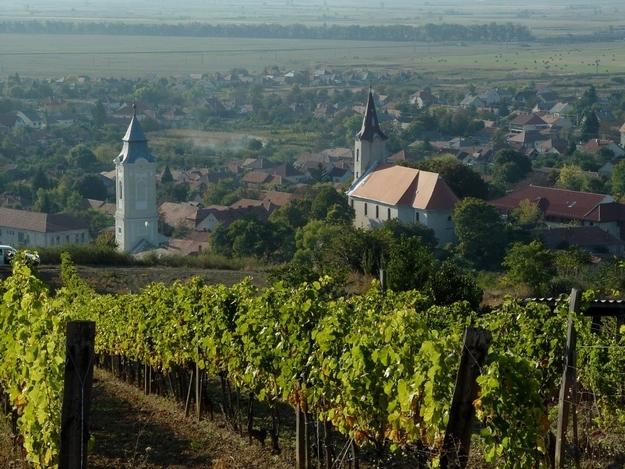
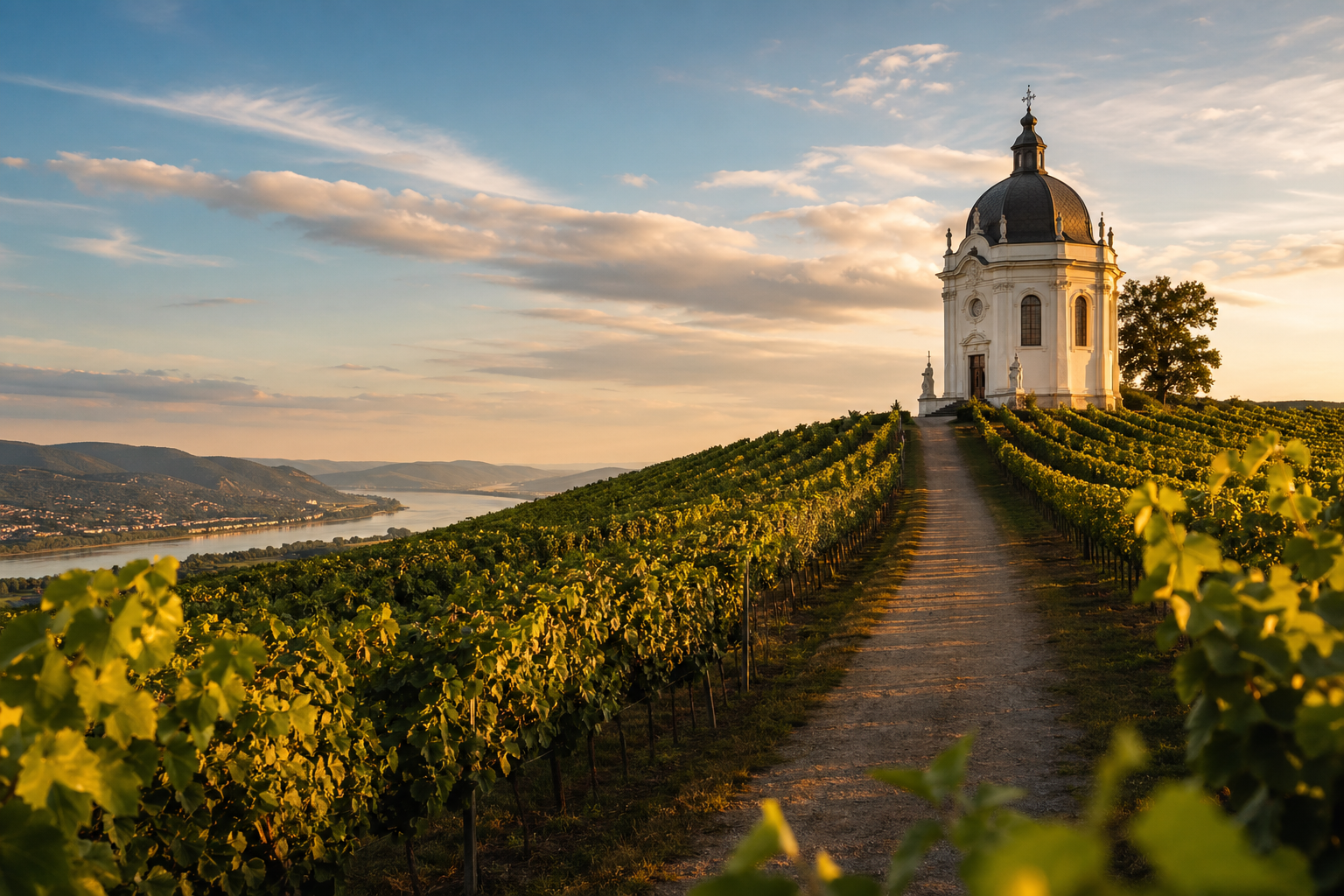
Stand at the summit observation point to capture the expansive landscape of the vineyards below as they transition into autumn colors. This elevated position offers a clear perspective of the winding Bodrog River for your tokaj wine tasting budapest photography.
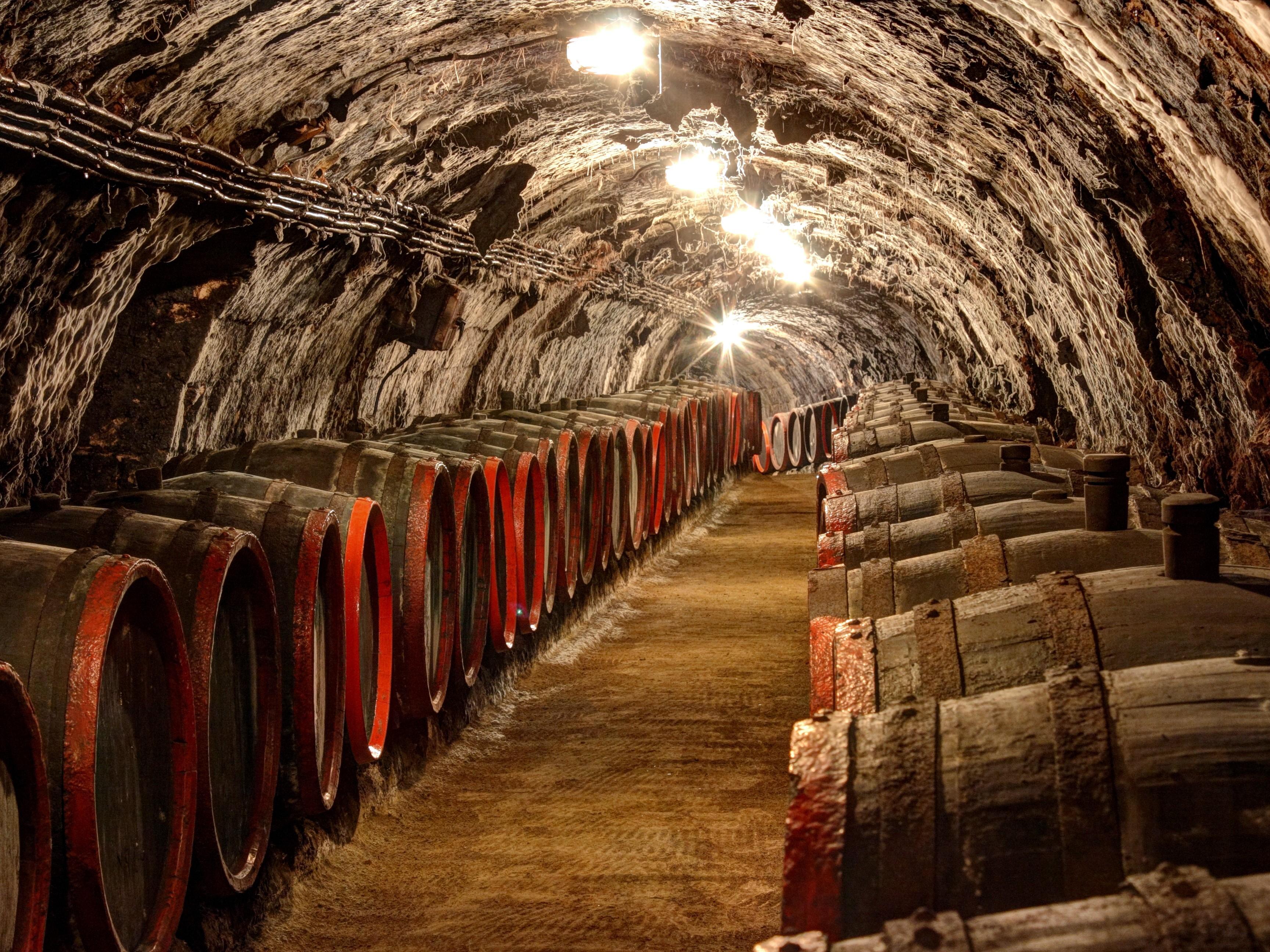
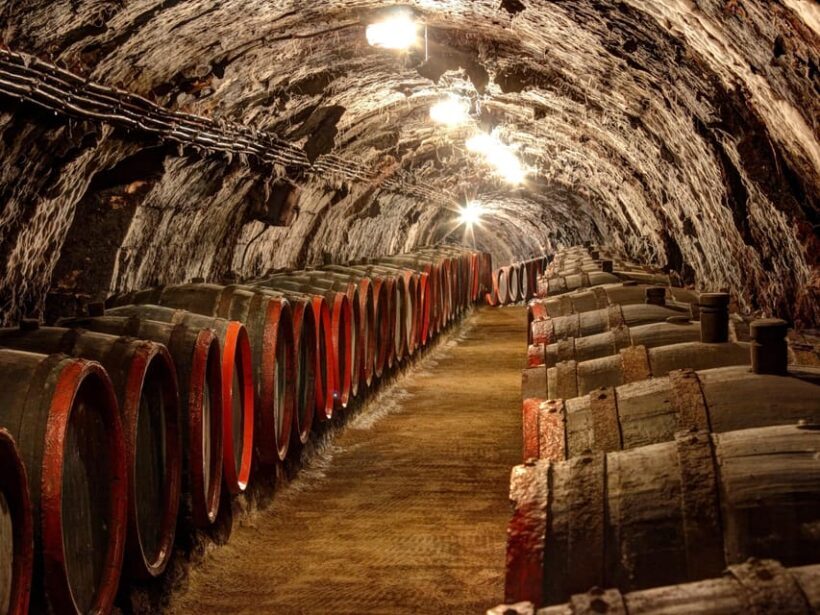
Frame your shot from the entrance of the primary gallery looking inward to highlight the historic stone archways and thousands of aging wine bottles. Photographers often use these tokaj wine tasting budapest tour paths to emphasize the deep, dark atmosphere of the underground tunnels.
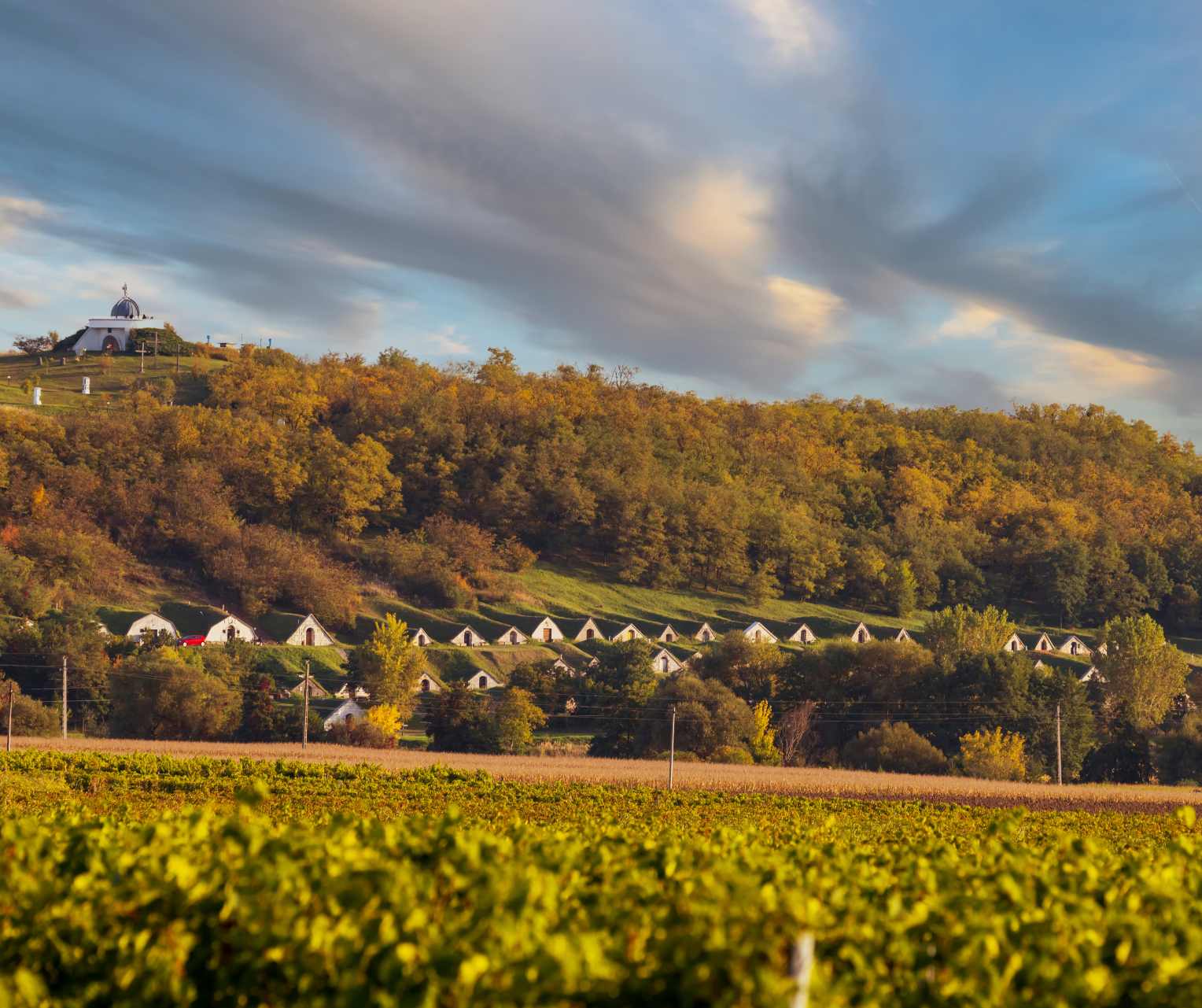
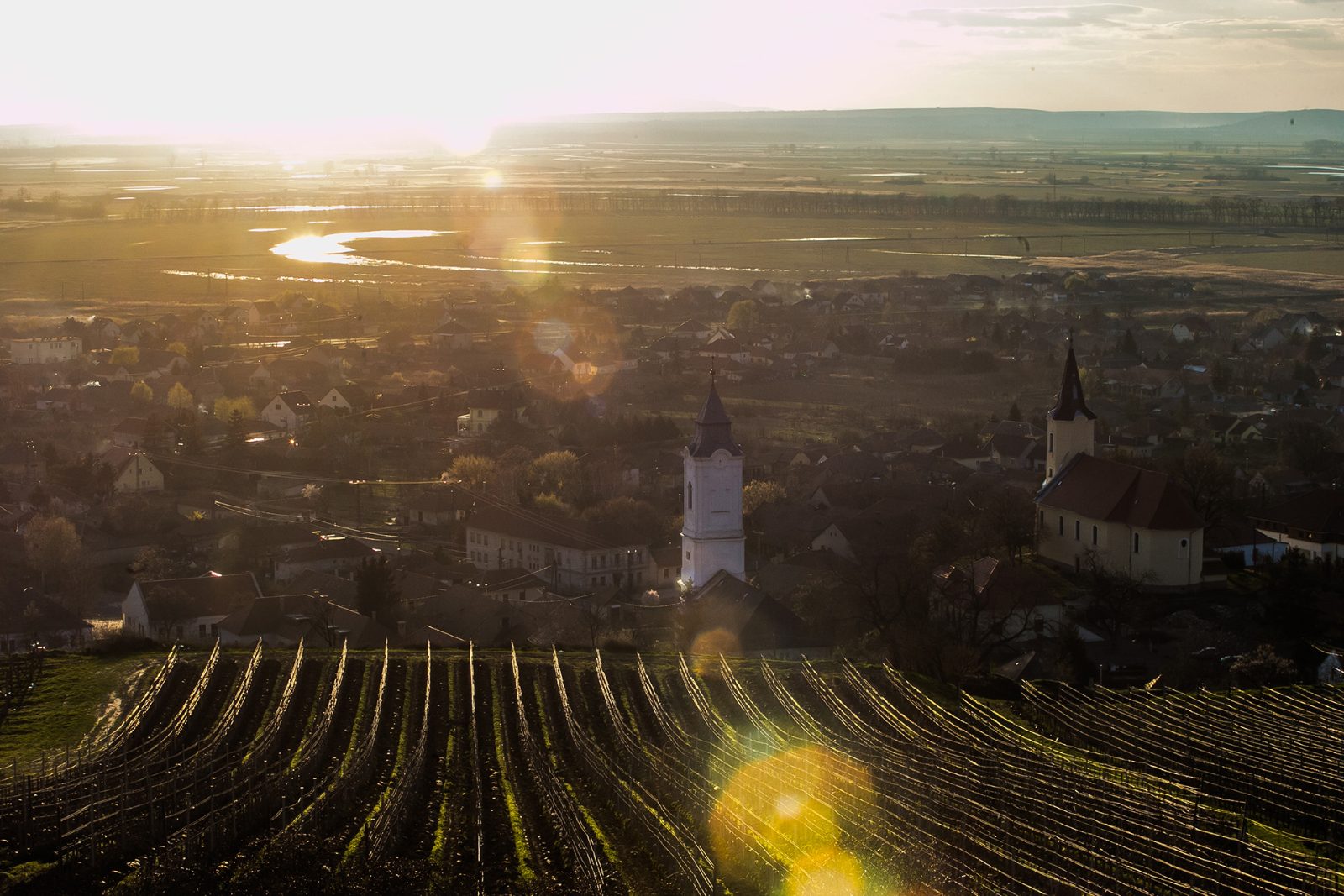
Position your camera at the edge of this quiet outdoor space to capture the contrast between the rustic cellar walls and the sunlit rows of vines. It provides an ideal setting for those seeking tokaj wine tasting budapest tickets to document the connection between the terroir and the final glass.
Capture the intimate details of the grape clusters against the backdrop of the classic manor house architecture. Visitors frequently use this location for macro shots of the harvest during tokaj wine tasting budapest tours.
Planning a tokaj wine tasting budapest trip involves traveling to the northeastern countryside, where expansive vineyards offer plenty of open space for children to explore. While adult-focused, the region provides a relaxed atmosphere for families interested in UNESCO heritage landscapes and historic cellar networks.
Many vineyard paths are unpaved or consist of gravel, so a sturdy, all-terrain stroller is recommended over a lightweight model. For deep underground cellars, expect steps and uneven floors where a baby carrier is a more practical option than tokaj wine tasting budapest tours
Public restrooms are available in the main visitor areas, but baby-change facilities are limited, so plan to be self-sufficient during your time at the estate. It is helpful to carry your own supplies for infants while participating in a tokaj wine tasting budapest tour
This region is best suited for teenagers or infants in carriers rather than toddlers, as the environment focuses on quiet appreciation of vintages rather than play areas. Older children often enjoy the educational aspect of seeing the iron lattice of cellar gates and the unique terroir of the region
Follow the best arrival window of 10:00–16:00 to keep travel times manageable and ensure you avoid mid-day heat with younger family members. This schedule allows for a structured visit without the pressure of evening closures when booking your tokaj wine tasting budapest tickets
While estate dining is available, it is wise to pack snacks for children as regional cellar menus are crafted for wine pairing rather than kid-friendly meals. Bringing familiar items helps maintain a comfortable pace for the whole family during your visit to these famous Hungarian landmarks.
Visitors seeking a tokaj wine tasting budapest experience will find that many estates in the region offer refined dining directly on-site. Pairing Aszú nectar with local Hungarian dishes is a highlight of these tokaj wine tasting budapest tours.
This renowned establishment offers a sophisticated take on regional flavors, perfect for those planning a dedicated tokaj wine tasting budapest tour. It is advisable to book in advance as this venue remains a staple for culinary enthusiasts.
Located in Mád, this restaurant specializes in pairing complex, botrytized wines with modern gastronomy, making it an essential stop for holders of tokaj wine tasting budapest tickets. The menu changes seasonally to reflect the harvest cycle of the northeast hills.
Everything you need to know for your journey
The region is open from 10:00–18:00 daily, perfect for your tokaj wine tasting budapest.
It is highly recommended to purchase tokaj wine tasting budapest tickets in advance to secure a spot.
Yes, families are welcome, but only those 18 and older may participate in the actual wine sampling.
Plan your arrival between 10:00–16:00 to avoid mid-day heat and ensure sufficient time for cellars.
Entry to the Tokaj Wine Region is 0 HUF, though individual tastings have separate costs.
No, please do not bring outside food or drink to a tokaj wine tasting budapest session.
Yes, photography is generally permitted during a tokaj wine tasting budapest provided it is non-commercial.
Accessibility varies by cellar; please check with specific operators before booking your tokaj wine tasting budapest.
The most efficient way is by train from Budapest Nyugati station for your tokaj wine tasting budapest.
September is an exceptional time for a tokaj wine tasting budapest due to the autumn harvest season.
This institution documents the history of wine production in the area. It is housed in a restored merchant building.
The river provides scenic views and opportunities for boat trips. It is a central feature of the landscape.
This river meets the Tisza near the town center. It is ideal for relaxing strolls.
A refined hotel located in the heart of the wine region.
Conveniently located near the center for easy exploration.
Family-run establishments offering traditional Hungarian hospitality.
Join thousands of happy travelers who have discovered this incredible experience
Book Your Experience Now