1 hr 30 min
Classic Tokaj Wine Tasting Experience
- Entry ticket
- Mobile voucher
- Valid same day
- Free cancellation
Tokaj Winery Tour — UNESCO Cellars & Aszú Tastings
Five historic estates, volcanic terroir, centuries of winemaking tradition
Compare fares, pick the fit — all bookings are mobile-voucher and eligible for free cancellation where shown.
1 hr 30 min
3 hr
2 hr
Selecting the right tokaj winery tour helps you navigate this historic UNESCO World Heritage site, whether you prefer an intimate look at family-run cellars or a comprehensive regional immersion. These tokaj winery tour tours vary by depth, allowing you to choose between casual drop-in tastings or curated, multi-winery discovery journeys.
| Cellar Tasting Self-Guided |
Top pick Guided Day Tour Full Experience |
|
|---|---|---|
| Experience Type | Cellar Visit & Tasting | Private Regional Excursion |
| Focus | Single Estate Insight | Historical & Cultural Overview |
| Duration | 45–90 minutes | 8–12 hours |
| Skill Level Required | Low | Low |
| Best for | Casual visitors | First-timers |
| See tickets & prices |
Verdict: Choose the Cellar Tasting for local discovery, or book the Guided Day Tour for a full-scale tokaj winery tour tour with logistical support.
Worth it for wine lovers and UNESCO heritage seekers
A tokaj winery tour delivers exceptional value for anyone interested in world-class dessert wines and vineyard heritage. Entry to the Tokaj Wine Region itself is free, but the real experience lies in guided cellar tastings and estate visits. The Classic Tokaj Wine Tasting Experience introduces you to aszú wines in historic cellars carved into volcanic tufa, while the UNESCO Heritage Cellar tour connects you to centuries-old winemaking traditions recognized globally. The Wine Estate Experience with Vineyard Walk adds terroir context by taking you through sloping vineyards where noble rot develops on Furmint and Hárslevelű grapes. Tours run daily from 10:00 to 18:00, giving you flexibility to visit multiple producers. The Art Wine Experience at Barka Restaurant pairs tasting with contemporary Hungarian cuisine, and cellars in nearby Sárospatak extend your exploration. For wine enthusiasts, Tokaj wine tours offer depth and authenticity that few other wine regions match at this price point.
Bottom line: Book a tokaj winery tour if you value authentic heritage winemaking and world-class sweet wines—the cellar experience and aszú tastings justify the cost.
They complement each other; most visitors who do both call the immersive tokaj winery tour the more sensory experience.
|
Top pick Winery Tours |
Historical Walking Tour | |
|---|---|---|
| Focus | Volcanic soil and cellar tasting | Architecture and Jewish heritage |
| Intensity | High; sensory-heavy | Moderate; educational pacing |
| Primary Activity | Wine sipping and producer insight | Town square and landmark visits |
| Duration | 3–6 hours (average) | 1.5–2 hours |
| Typical Cost | Varies (tasting fees apply) | 0–15,000 HUF (guide dependent) |
| Best For | Wine lovers and enthusiasts | Culture seekers and photographers |
| See tickets & prices |
Verdict: Choose a tokaj winery tour if you want to sample world-famous Tokaji Aszú at the source, or opt for a historical walk to understand the deep cultural roots of this heritage landscape.
Hand-picked experiences loved by thousands of travelers
1.5 hours
Free Cancellation
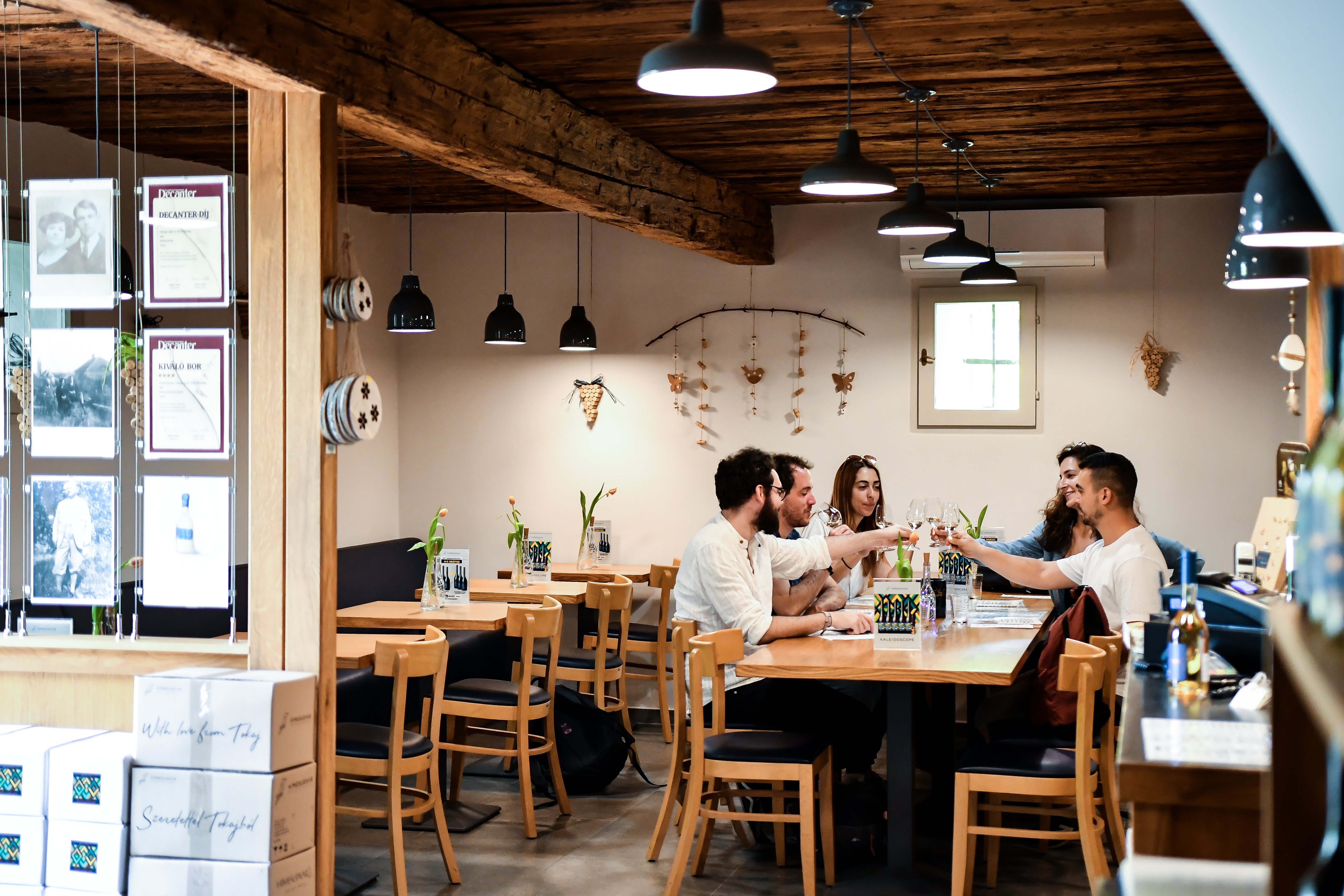
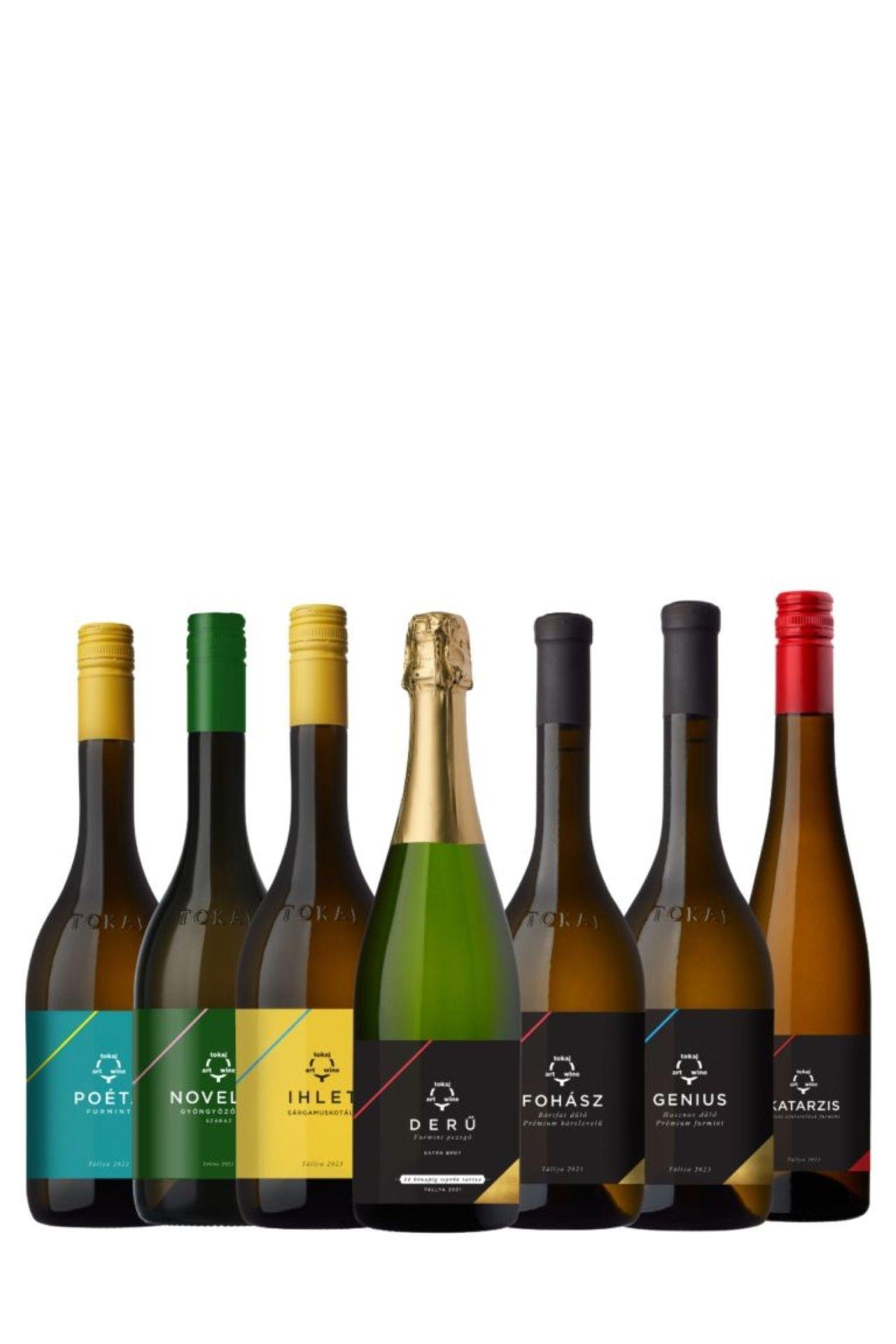
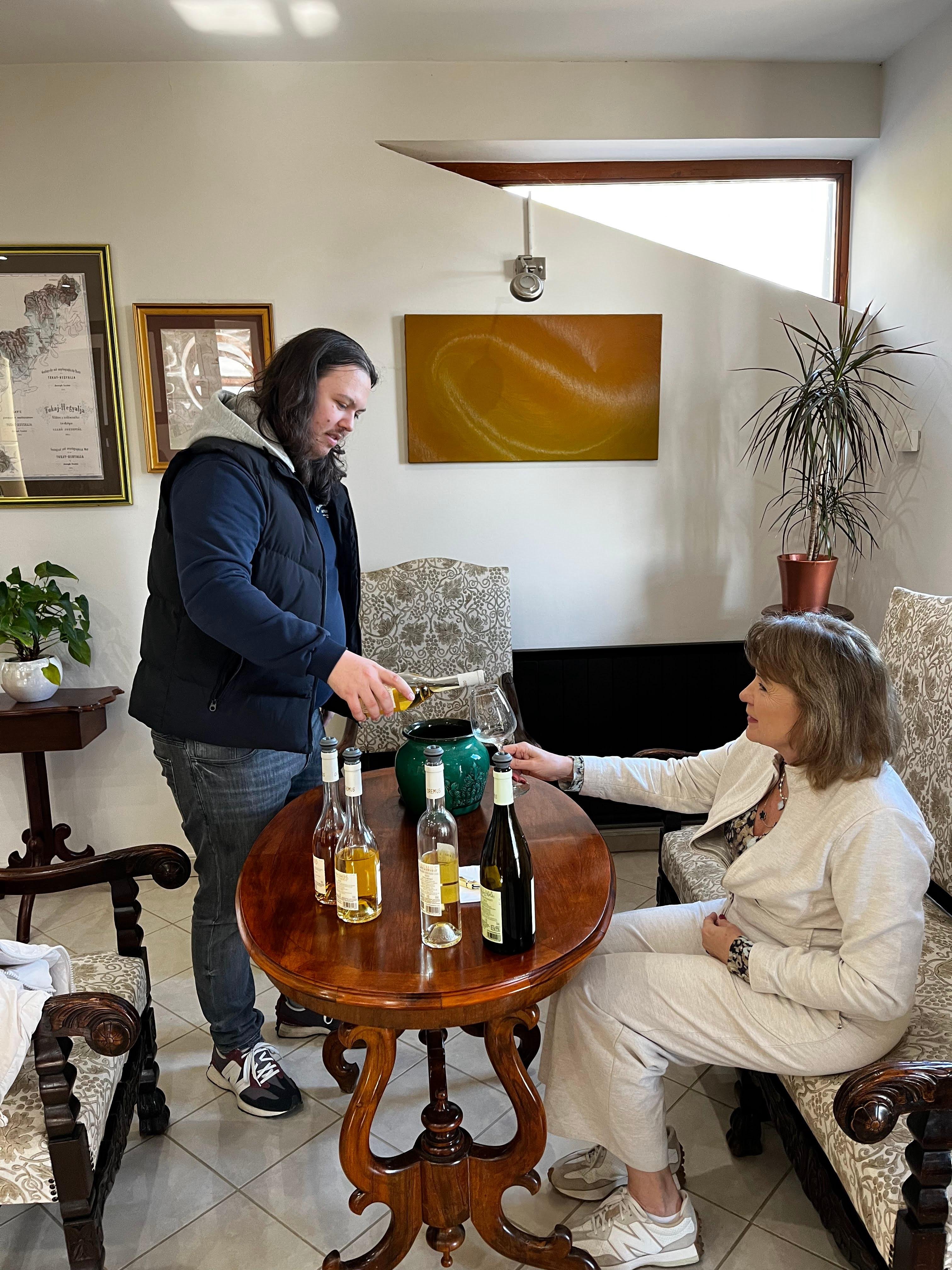
Sample seven distinct wines from Hungary's famous Tokaj region at a historic winery in Tállya
40 minutes
Free Cancellation
Step inside a contemporary organic winery and explore Tokaj's winemaking heritage through tastings and cellar insights.
9 hours
Free Cancellation
Spend a full day harvesting grapes in Hungary's legendary wine country with tastings, lunch, and entertainment
12 hours
Free Cancellation
Discover Hungary's legendary UNESCO-listed wine country on an exclusive full-day journey from the capital
8 hours
Free Cancellation
Discover Hungary's historic wine country on a full-day excursion featuring tastings, winery visits, and lunch
2 hours
Free Cancellation
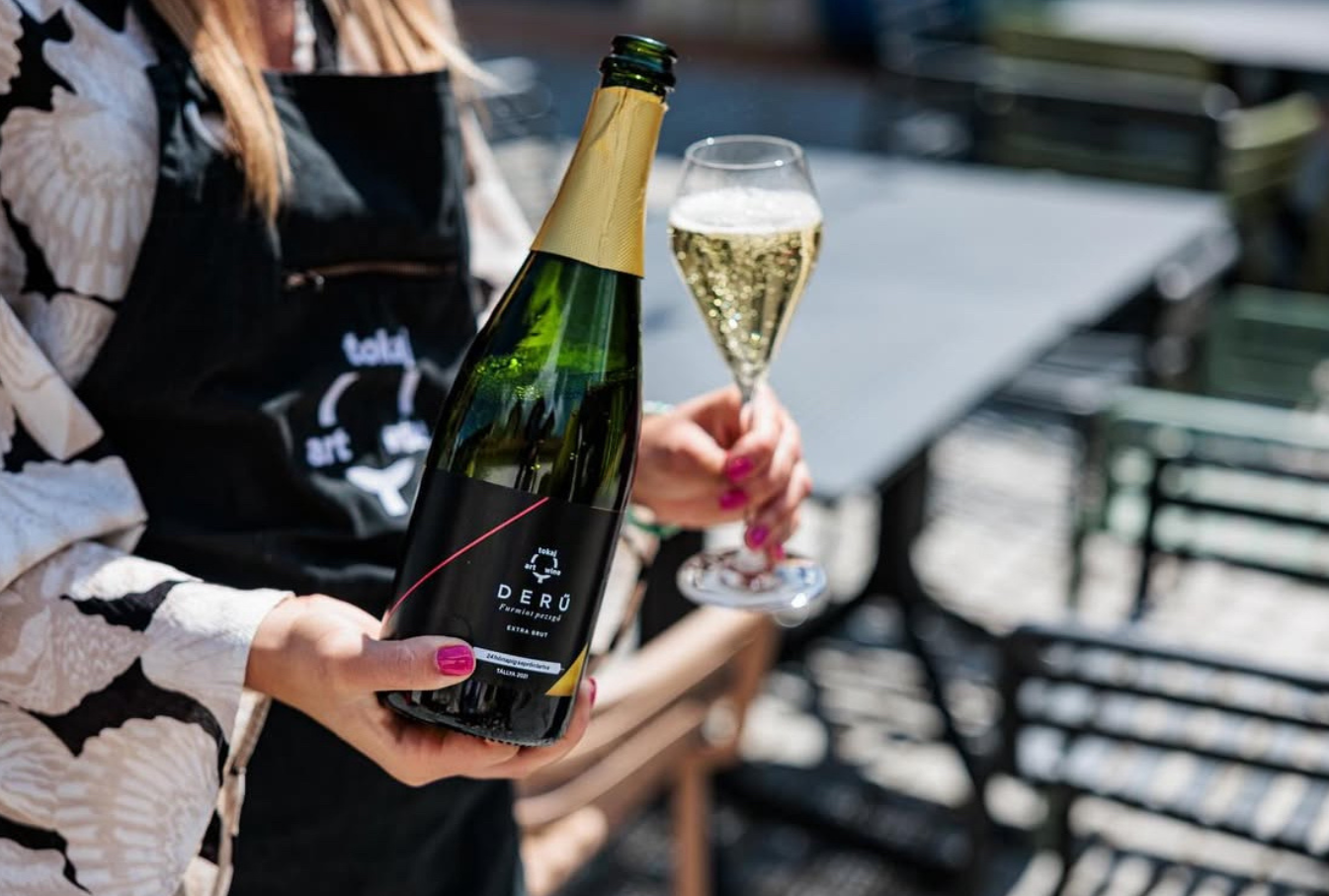
Blend your own sparkling wine using traditional methods and take home two custom-labeled bottles
8 hours
Free Cancellation
Journey through Slovak and Hungarian vineyards with tastings at family estates and historic cellars
2.5 hours
Free Cancellation
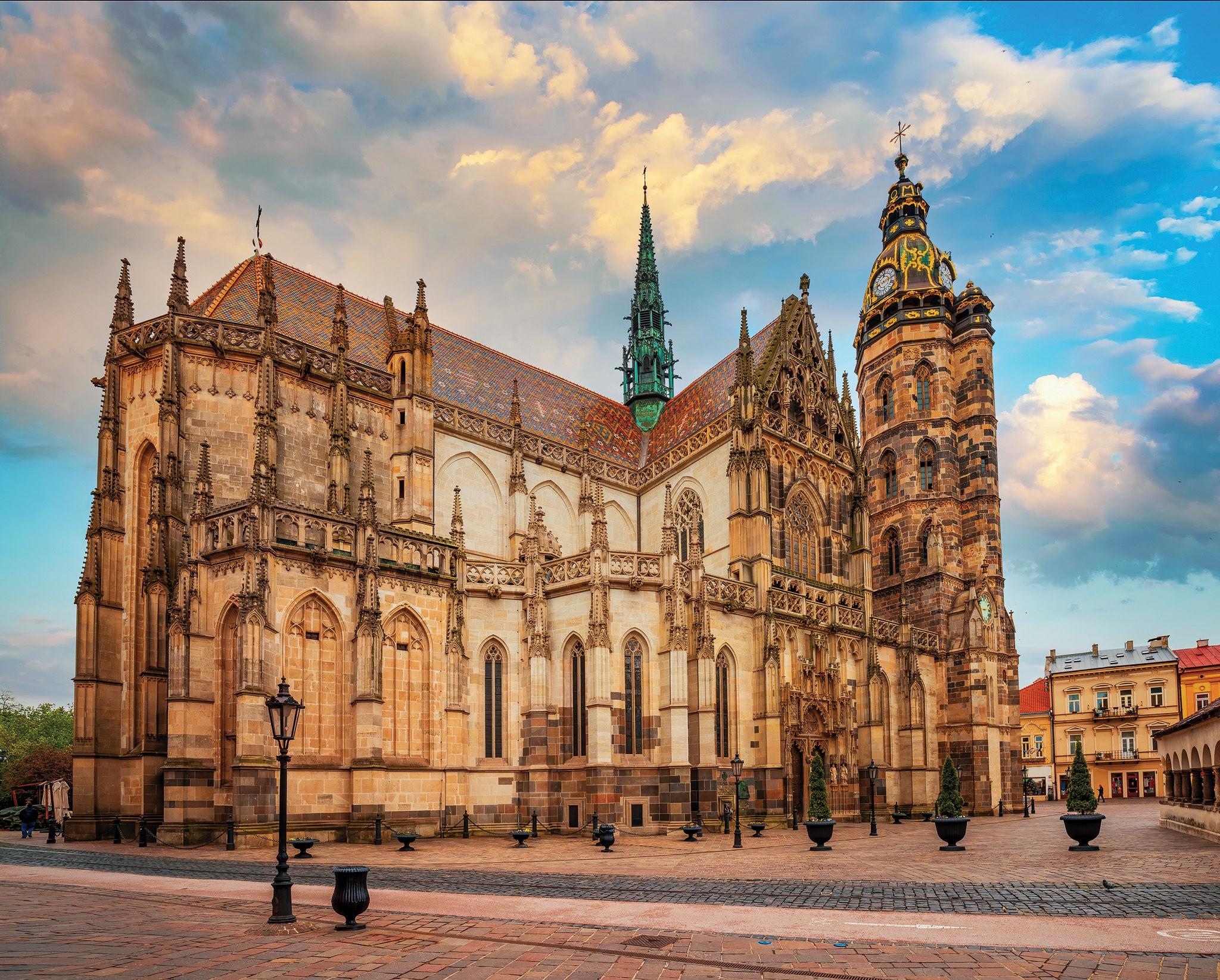
Explore Slovakia's largest monument reserve and savor award-winning wines from the historic Tokaj region
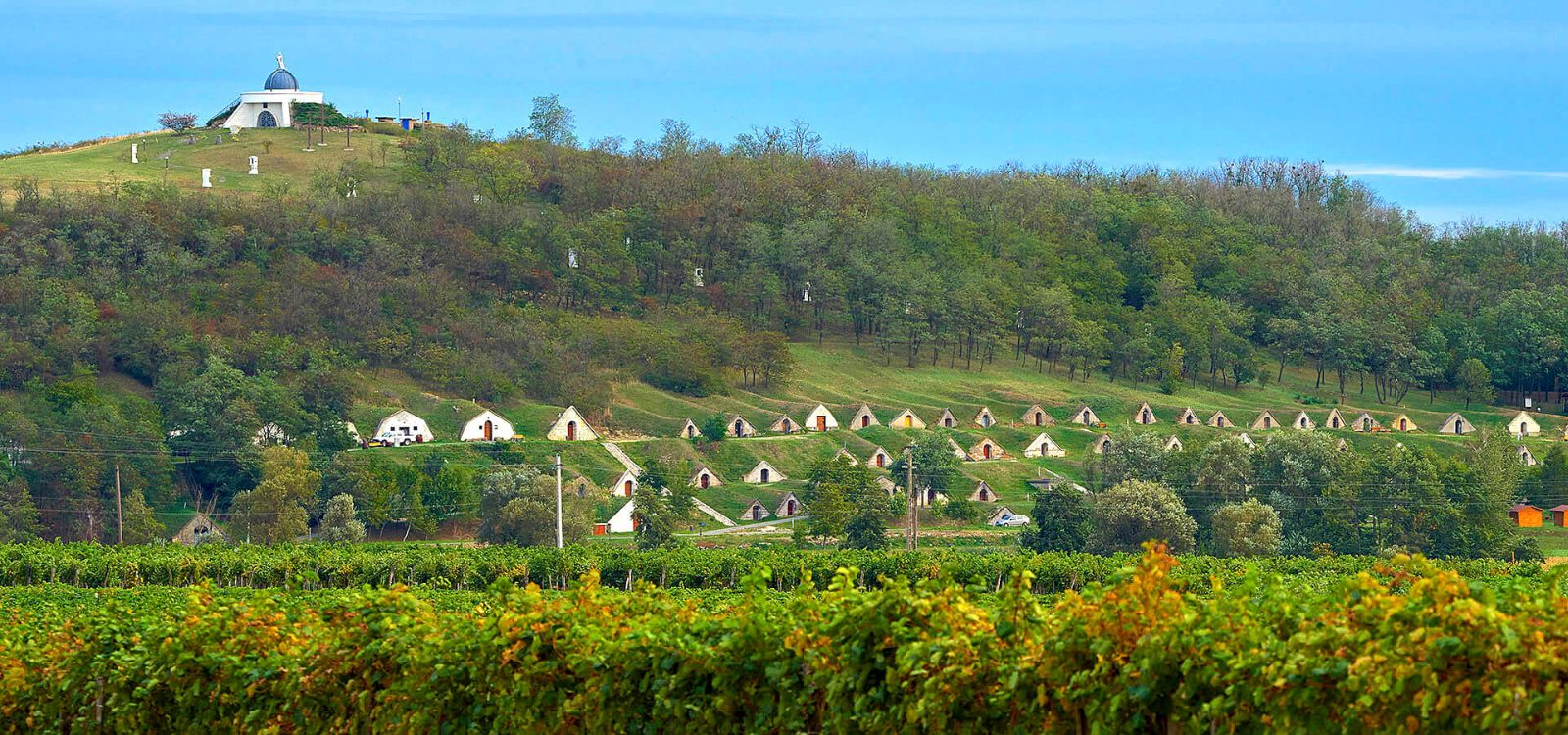
You arrive at a hillside estate where terraced Furmint vines rise in geometric rows toward the Zemplén foothills. A stone archway opens onto a courtyard framed by eighteenth-century pressed-stone walls and a neoclassical tasting hall.
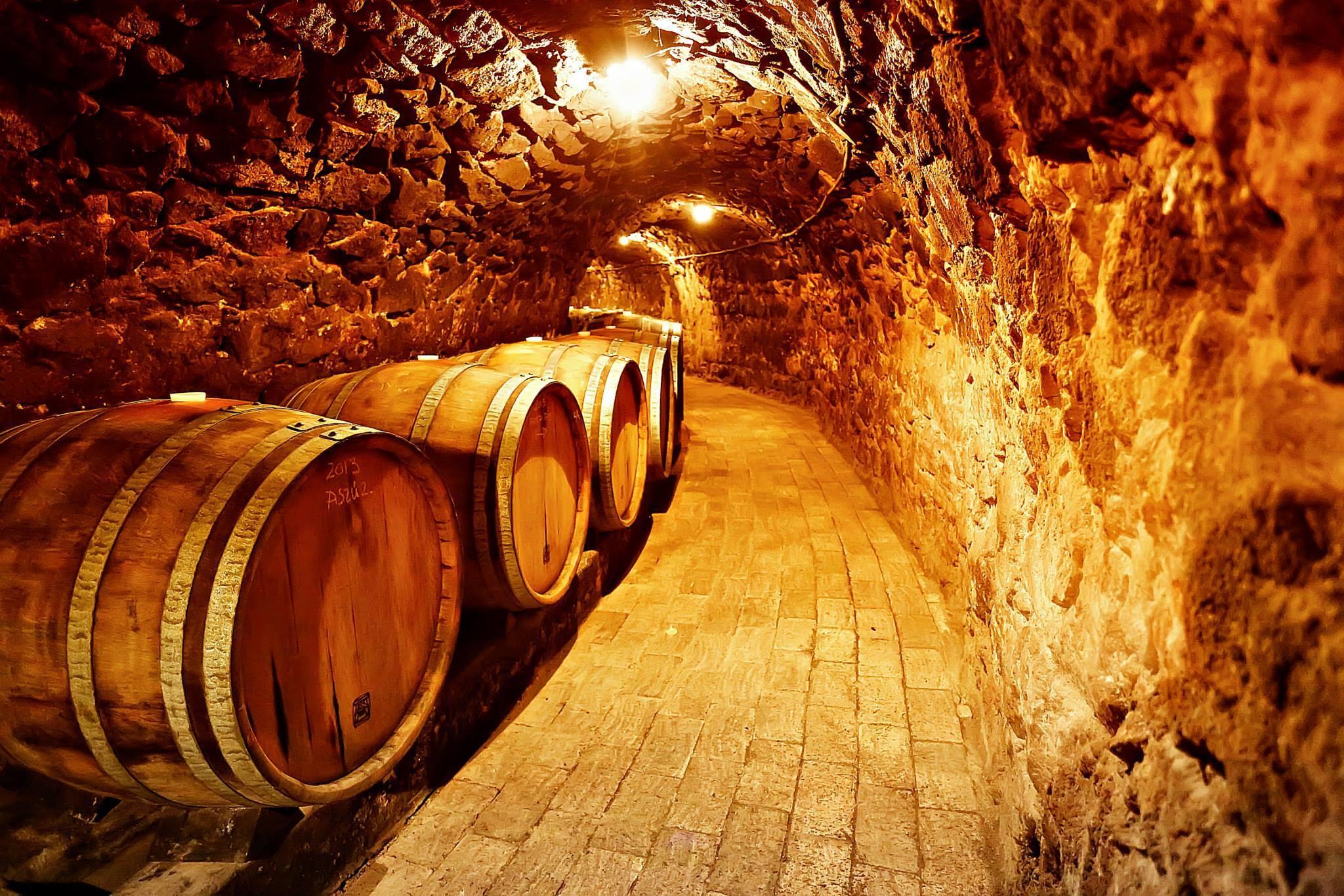
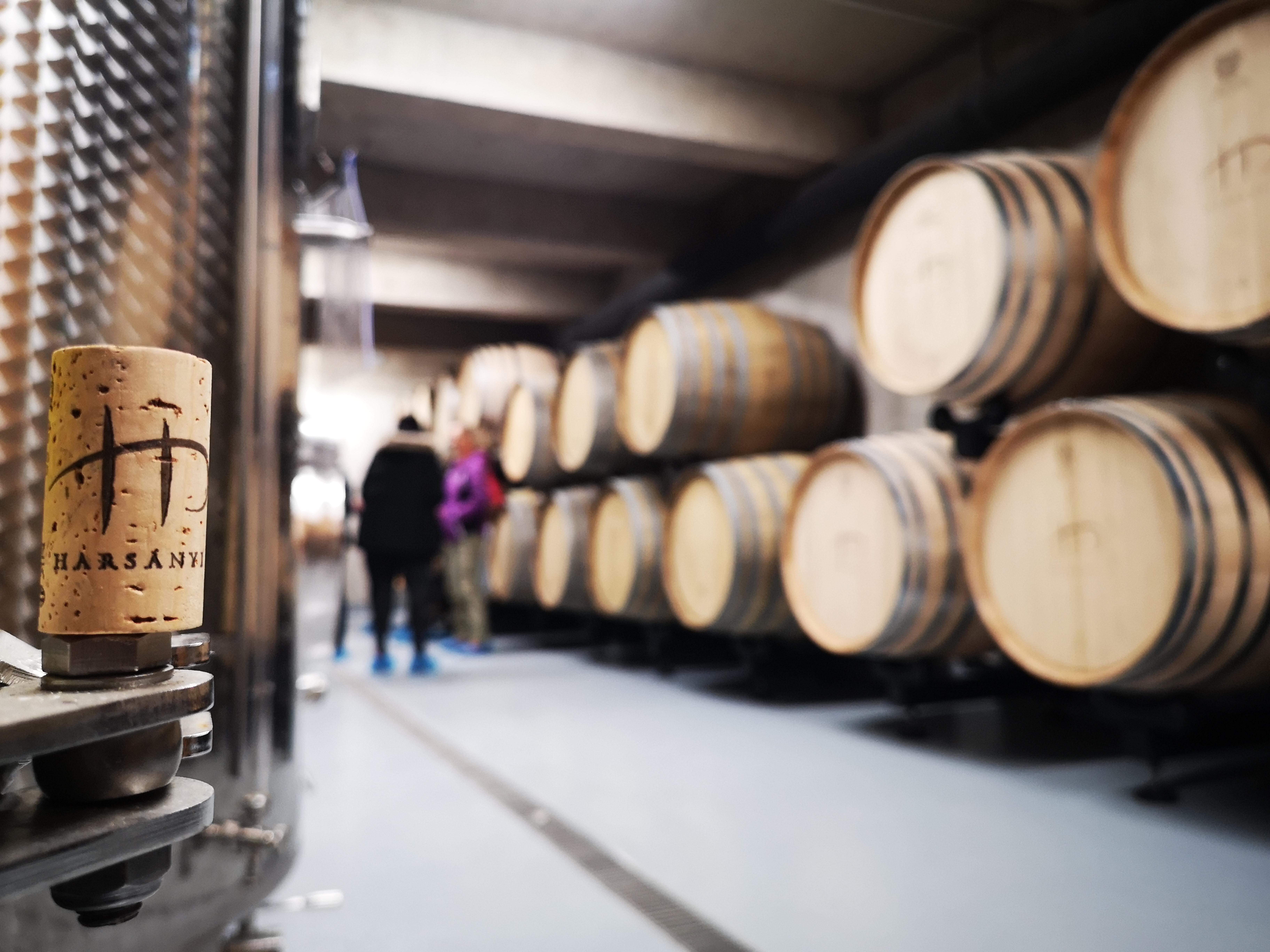
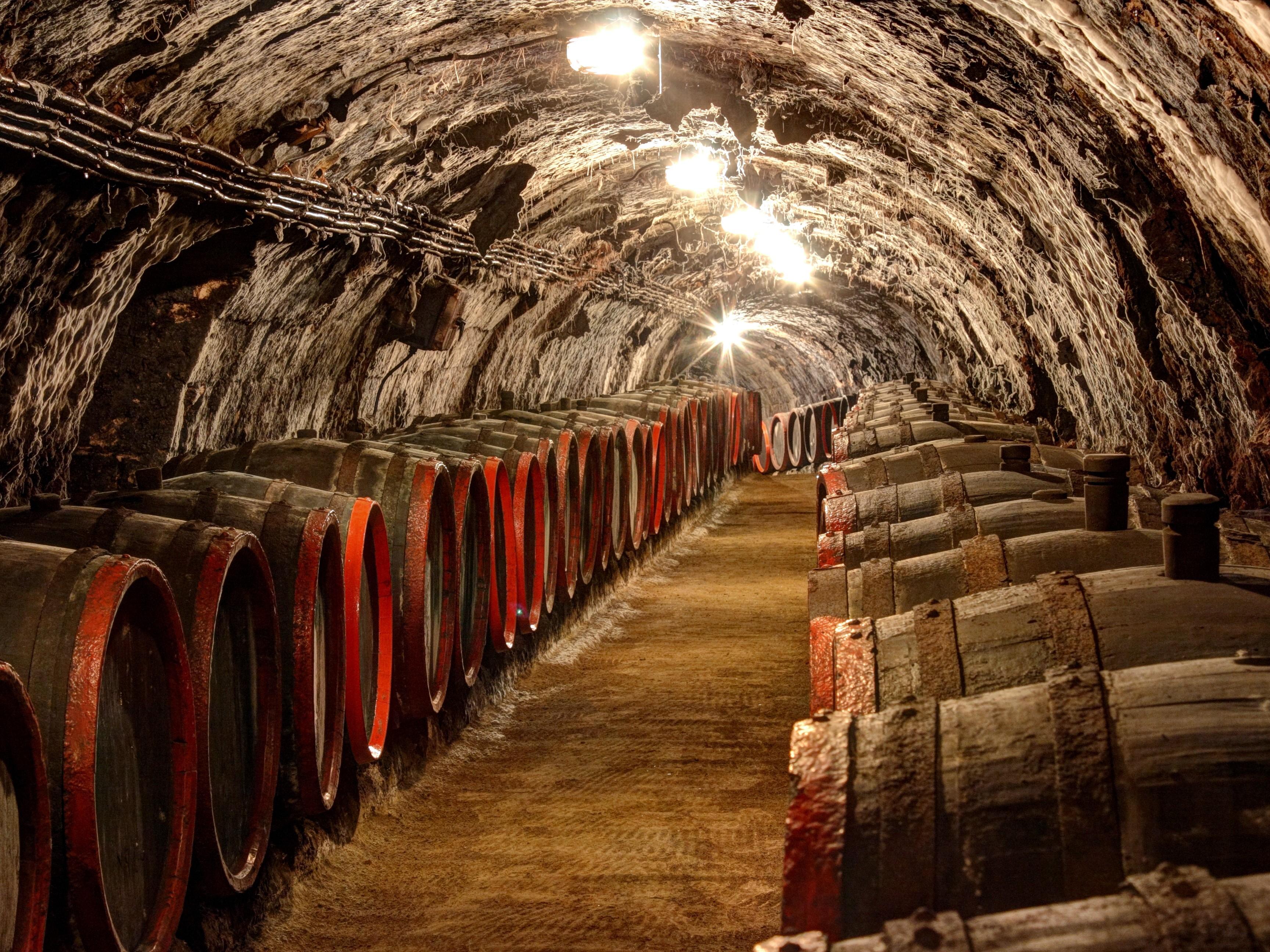
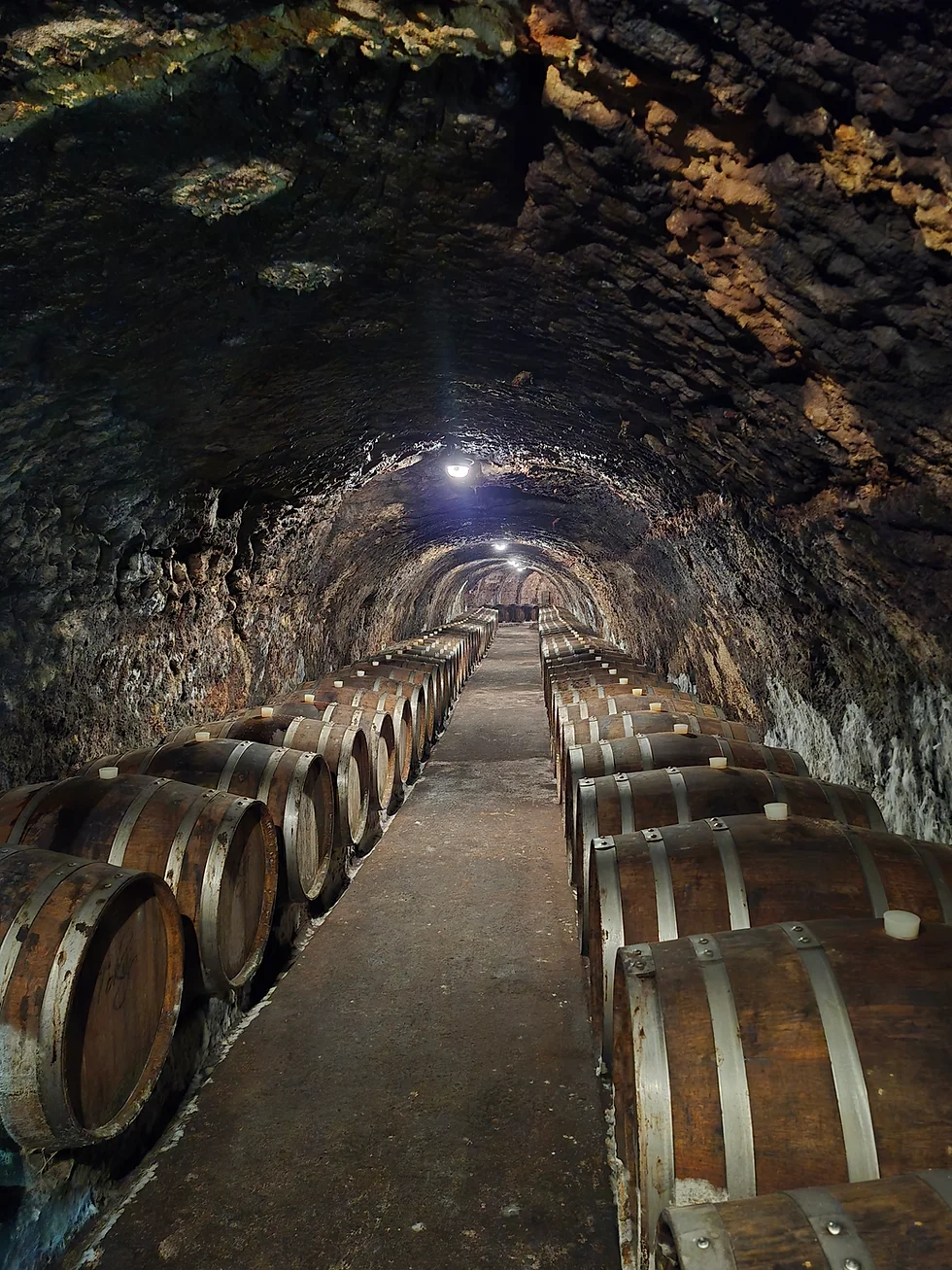
Your guide leads you down a spiral staircase into a cellar carved from volcanic tuff, where the temperature drops to twelve degrees and black mold coats the barrel staves in a velvet patina. You pause at a row of gönci casks—136-liter oak barrels traditional to the region—and sample a three-puttonyos Aszú, its apricot and honeycomb notes balanced by Furmint's signature acidity.
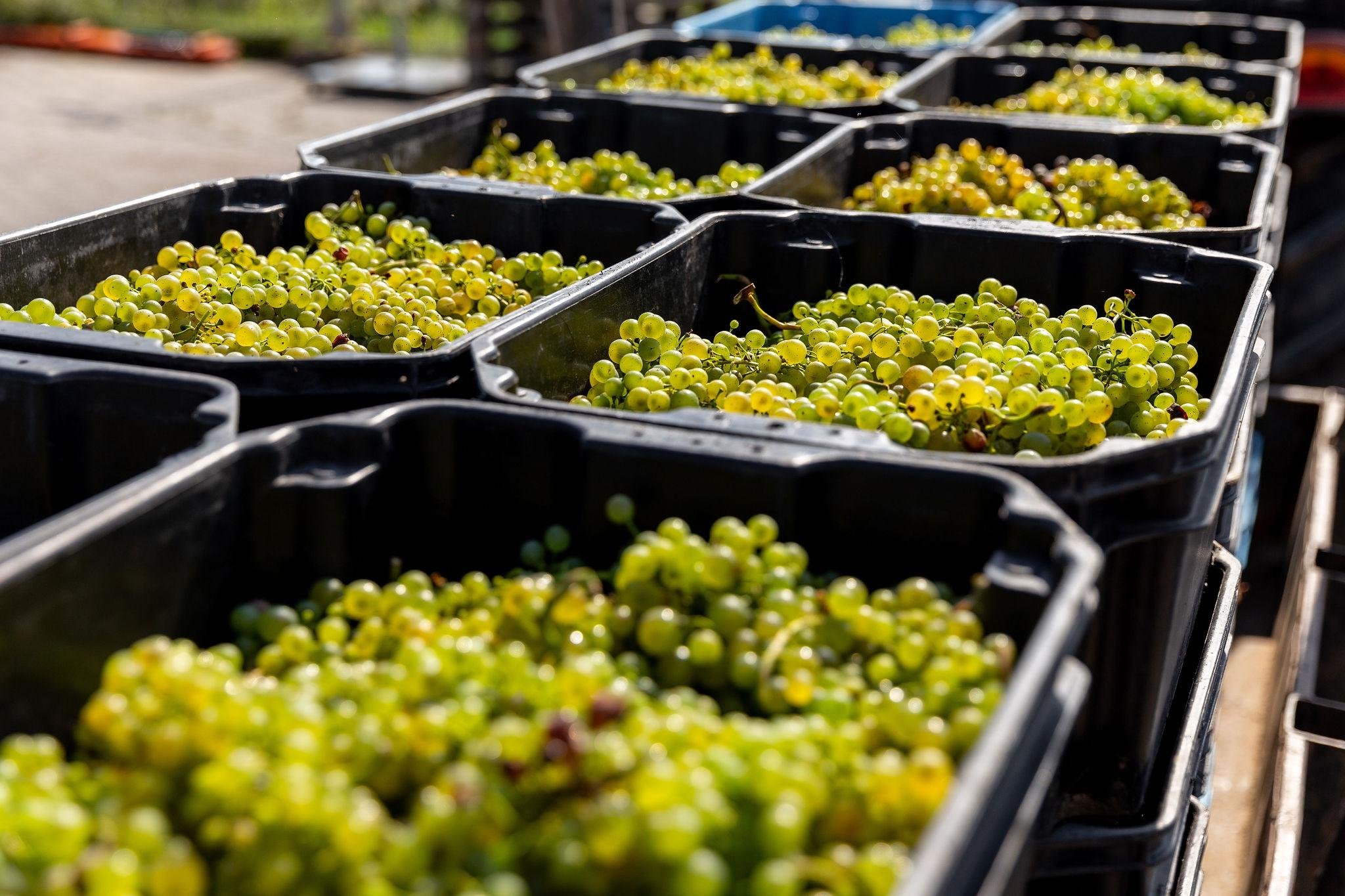
Above ground, you walk the vineyard rows, where clusters of late-harvest grapes hang until October's first frost concentrates their sugars. The guide explains the puttonyos system: each hod of botrytized berries added to base wine increases sweetness and extends aging time. Back in the tasting room, you compare a dry Furmint—mineral, taut, with green apple and white pepper—against a six-puttonyos Aszú that has aged eight years in oak. Through the window, the Bodrog River reflects the afternoon light, and the town of Tokaj appears as a cluster of red rooftops below.
All the details about your upcoming adventure in one place
The volcanic soils of the Tokaj Wine Region have produced Aszú—a botrytized dessert wine—since at least 1571, when the first recorded harvest of nobly rotted grapes established Hungary as the birthplace of late-harvest winemaking.
The confluence of the Tisza and Bodrog rivers creates autumn mists that encourage *Botrytis cinerea*, the fungus responsible for concentrating sugars and acidity in Furmint and Hárslevelű grapes. By the seventeenth century, Tokaji Aszú had reached the court of Louis XIV, who declared it "the wine of kings, the king of wines." The region's 5,500 hectares of vineyards, designated a UNESCO World Heritage Cultural Landscape in 2002, stretch across twenty-seven villages and encompass more than 1,200 cellars carved into rhyolite tuff.
Today, the Tokaj appellation supports both traditional Aszú production—measured in puttonyos, or hods of botrytized berries added to base must—and a renaissance of dry Furmint that has drawn international critical attention. Estates such as Disznókő, Oremus, and Royal Tokaji employ both gravity-fed fermentation and extended skin contact to highlight mineral salts absorbed from the volcanic bedrock. The region's karst cellars maintain a constant twelve to fourteen degrees Celsius and ninety-five percent humidity, conditions that nurture *Cladosporium cellare*, the black mold that coats barrel halls and regulates evaporation during the multi-year aging of Aszú Eszencia.
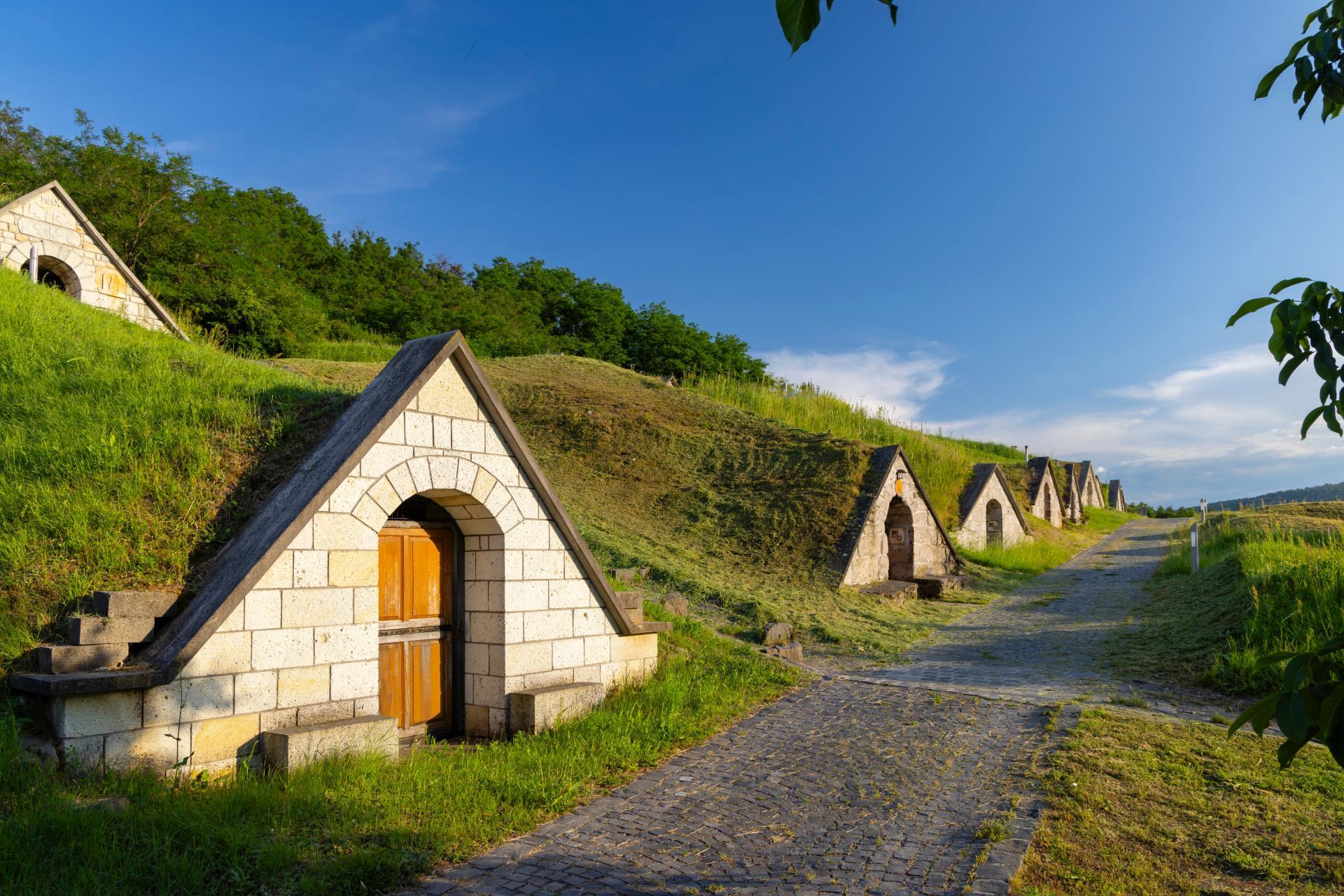
Visitors to the Tokaj Wine Region encounter not only viticultural heritage but also architectural traces of the Austro-Hungarian Empire: neoclassical estate houses, baroque wine presses, and labyrinthine cellar networks that extend thirty meters beneath hillside vineyards. The town of Tokaj itself occupies a strategic position where the Bodrog meets the Tisza, and its waterfront promenade offers views of the Zemplén foothills. Wine tourism infrastructure has expanded significantly since Hungary's accession to the European Union, with five principal estates now offering cellar tours that pair vertical tastings of Aszú vintages with vineyard walks through the Mád, Tarcal, and Tolcsva first-growth zones, where south-facing slopes receive optimal solar exposure for phenolic ripening.

The confluence of the Tisza and Bodrog rivers creates autumn mists that encourage Botrytis cinerea, the fungus responsible for concentrating sugars and acidity in Furmint and Hárslevelű grapes.
Smart-casual is recommended for an elevated tokaj winery tour experience, especially when dining at estate restaurants. Wear comfortable footwear suitable for navigating historic, uneven stone cellar floors.
Smaller bags are encouraged as cellar corridors during your tokaj winery tour may be narrow. Large luggage should be left at your accommodation.
Photography is generally permitted in public vineyard areas and tasting rooms during a tokaj winery tour. Always ask winery staff before photographing private cellar collections.
Families are welcome in the region, though individual wineries set their own age restrictions for cellar tours. A tokaj winery tour is best enjoyed by groups with teenagers or older children.
While the region is outdoors, many historic cellars feature steep stairs and uneven surfaces. Visitors with limited mobility should confirm accessible facilities with specific wineries prior to their tokaj winery tour.
Outside food and drink are typically prohibited inside tasting rooms. Many estates on a tokaj winery tour offer curated food pairings with local specialties.
Opening hours
10:00–18:00
Address
Tokaj Wine Region, Tokaj, Hungary
Region access
Public areas accessible; specific winery accessibility varies
Best arrival window
10:00–17:00
Storage
Not available at most regional sites
Navigation
Local train/taxi recommended for winery hopping
Train · 2h 57m · 4,100–4,700 HUF
Direct service from Budapest-Keleti to Tokaj station.
Taxi · Variable · Varies by distance
Pre-booked regional transfers between villages.
Most independent winery operators offer free cancellation up to 48 hours before the scheduled tokaj winery tour. Entrance to the Tokaj Wine Region itself is 0 HUF.
Recommended time
6-8 hours
A comprehensive tokaj winery tour typically spans a full day to allow for travel between historic cellars and leisurely tastings. Visitors should allocate more time if planning to explore the UNESCO heritage vineyards or coordinate transport between regional villages, as walk-in access to popular estates can involve short waits. Securing your tokaj winery tour tickets in advance ensures priority, while booking independent tokaj winery tour tours provides flexibility for those looking to pace their visit through the afternoon.
Crowd levels through the day
Weather · crowds · average price — dots go green to amber to red as each metric rises.
Mild weather ideal for walking tours through the vines.
Many top estates require advance booking for a tokaj winery tour.
Serház u. 1, Tokaj
Central starting point for regional maps.
Get directionsThe Tokaj wine region earned its reputation in the late seventeenth century when Aszú, a concentrated dessert wine made from botrytized grapes, reached the courts of Europe. In 1703, Prince Francis II Rákóczi presented Tokaji Aszú to Louis XIV of France, who declared it the "wine of kings, king of wines." By 1737, the region received formal legal delineation, making it one of the world's first controlled appellations. Royal Hungarian decrees protected vineyard boundaries and classified hillside parcels by quality, a framework that influenced European wine law for generations. The volcanic soil and the convergence of the Tisza and Bodrog rivers created unique conditions for noble rot, the fungus that shrivels grapes and concentrates their sugars. The nineteenth century brought prosperity and innovation to tokaj winery tour operators as phylloxera devastated vineyards across Europe, yet Tokaj's producers grafted American rootstocks and rebuilt their estates. The Rákóczi Cellar, carved into volcanic tuff in the early 1700s, became a cornerstone of production and remains a centerpiece of modern tokaj winery tours. Following World War I, Hungarian territories were redrawn, and the region lost key parcels to neighboring countries. State collectivization under communism after 1949 consolidated small plots into cooperatives, standardizing production but eroding centuries-old family techniques. Wine quality declined as the government prioritized volume for export to the Soviet Union. In 1990, foreign investment arrived as France's AXA Millésimes and Spain's Vega Sicilia purchased estates and introduced modern cellar equipment while respecting traditional aging methods. UNESCO inscribed the Tokaj Wine Region as a World Heritage Site in 2002, citing its cultural landscape of terraced vineyards, historic press houses, and underground cellars. Today, visitors booking tokaj winery tour tickets explore cellars where wines age in small oak casks, taste single-vineyard Aszú bottlings, and walk slopes that have produced sweet wine for more than three centuries.
Prince Rákóczi presented Tokaji Aszú to Louis XIV, cementing the wine's reputation across European courts.
Royal decree established the world's first closed wine region, legally defining Tokaj's vineyard boundaries.
Phylloxera destroyed vines; producers replanted with grafted American rootstock, preserving production.
Communist collectivization consolidated family plots into state cooperatives, prioritizing volume over traditional quality.
Foreign investors including AXA Millésimes acquired estates, modernizing cellars and reviving artisan methods.
UNESCO designated the Tokaj Wine Region a World Heritage Site for its historic vineyards and cellar architecture.
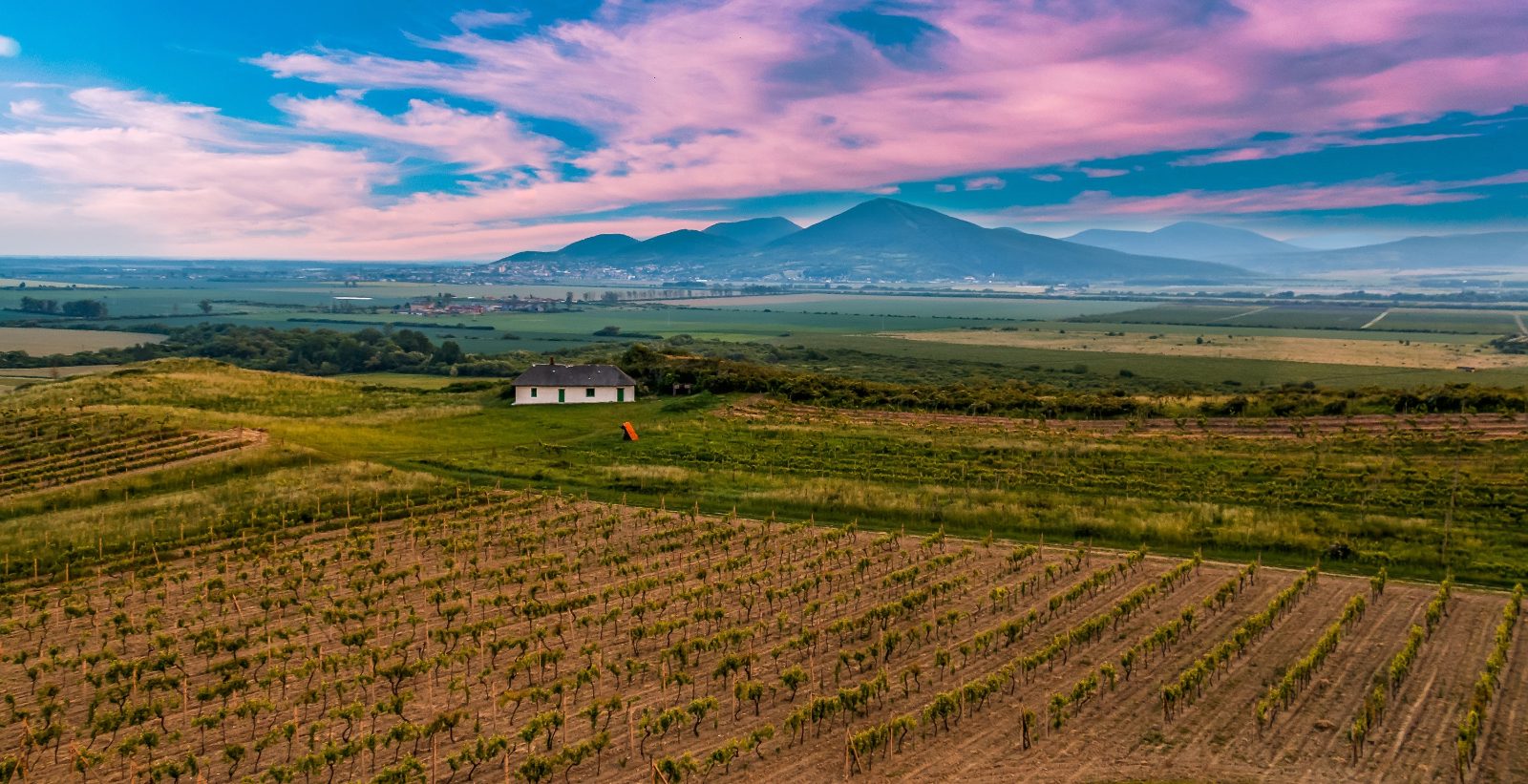
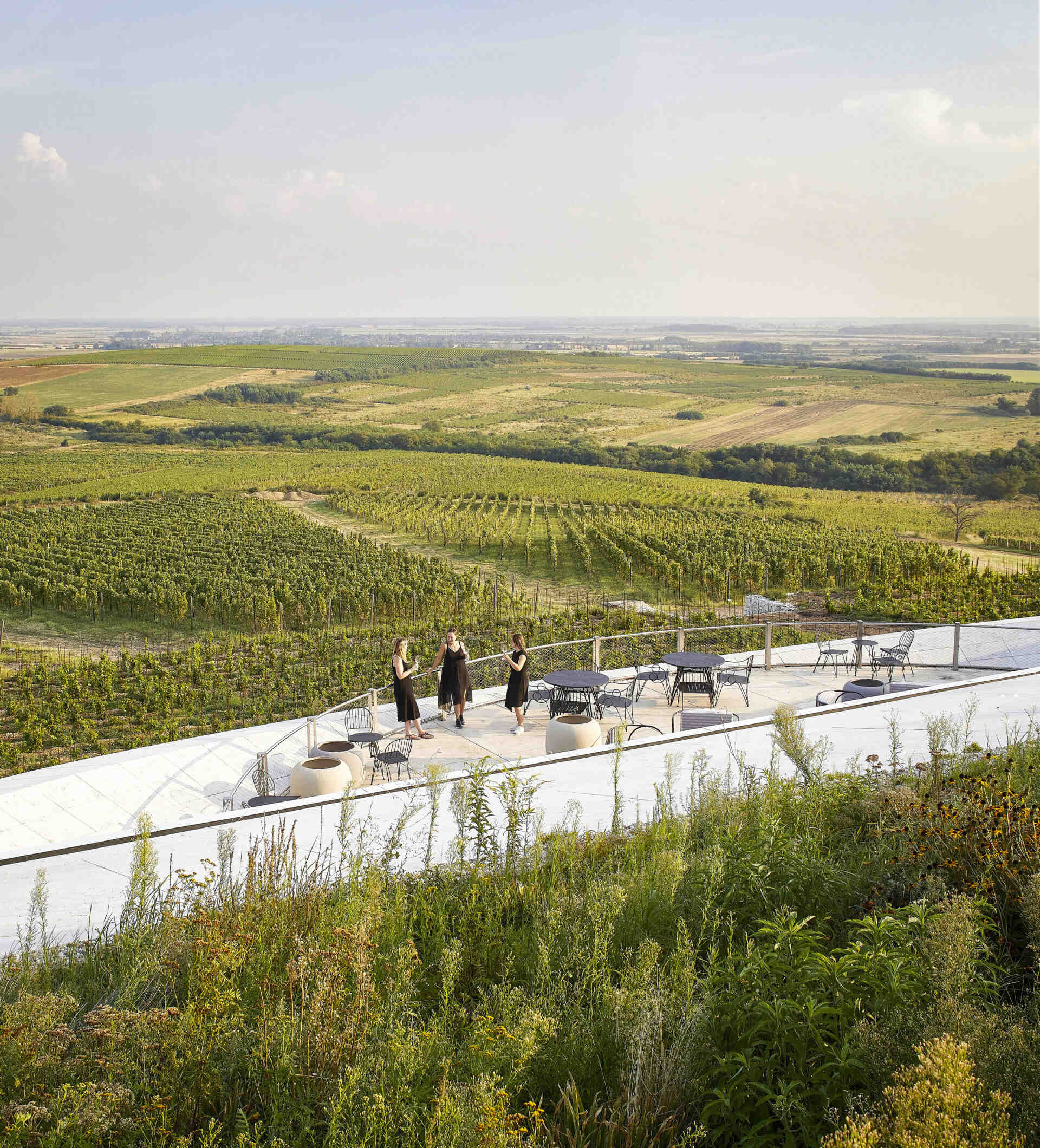
Position yourself at the summit to capture the expansive patchwork of terraced vineyards and the winding Bodrog River. This vantage point offers the most comprehensive view of the landscape encountered during a tokaj winery tour.
Frame the moss-covered stone walls and long, subterranean corridors characteristic of historic tokaj winery tour tours. Use a wide-angle lens to emphasize the deep perspective of these architectural relics.
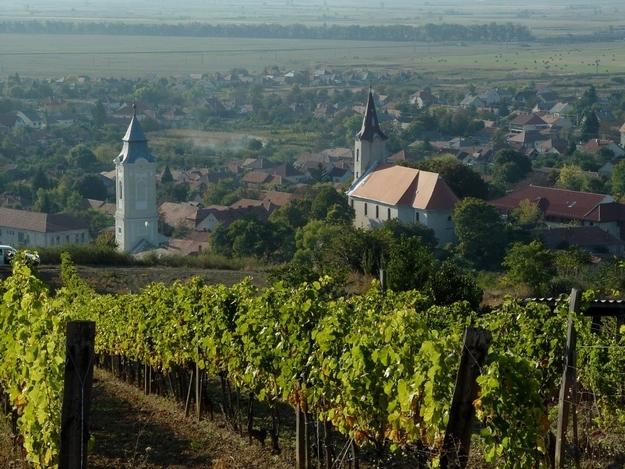
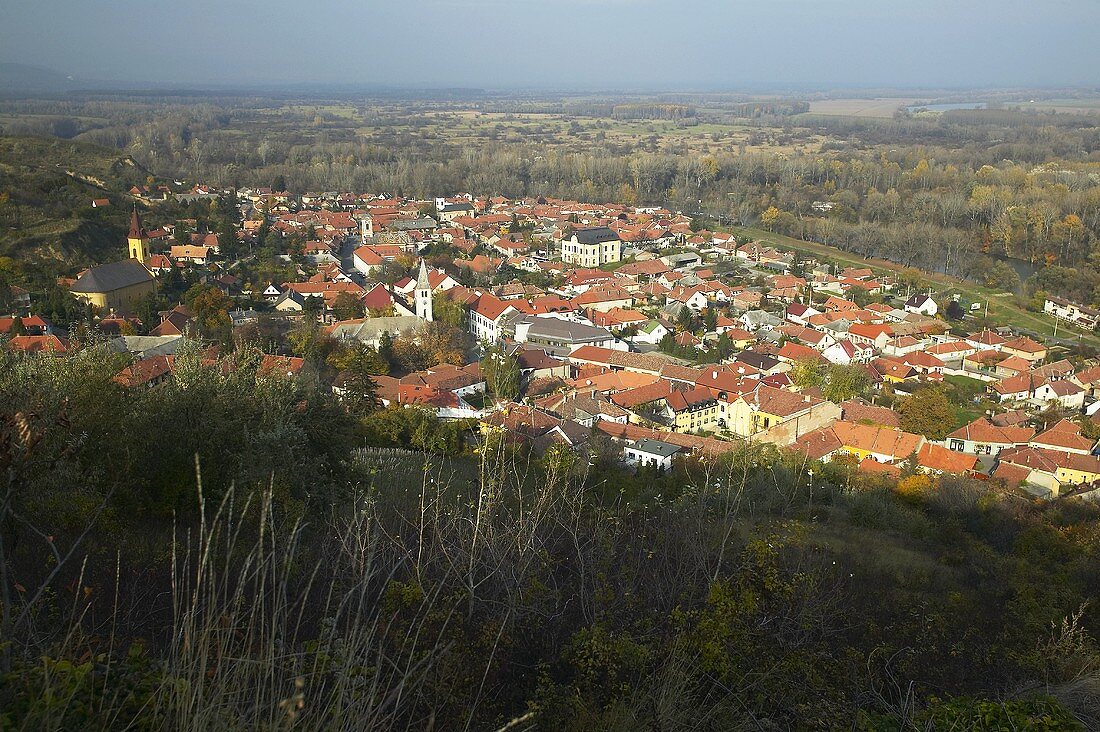
Focus on the colorful baroque facades and the prominent church tower that anchors the local Tokaj borrégió photography scene. This location serves as the perfect starting point for your tokaj winery tour tour documentation.
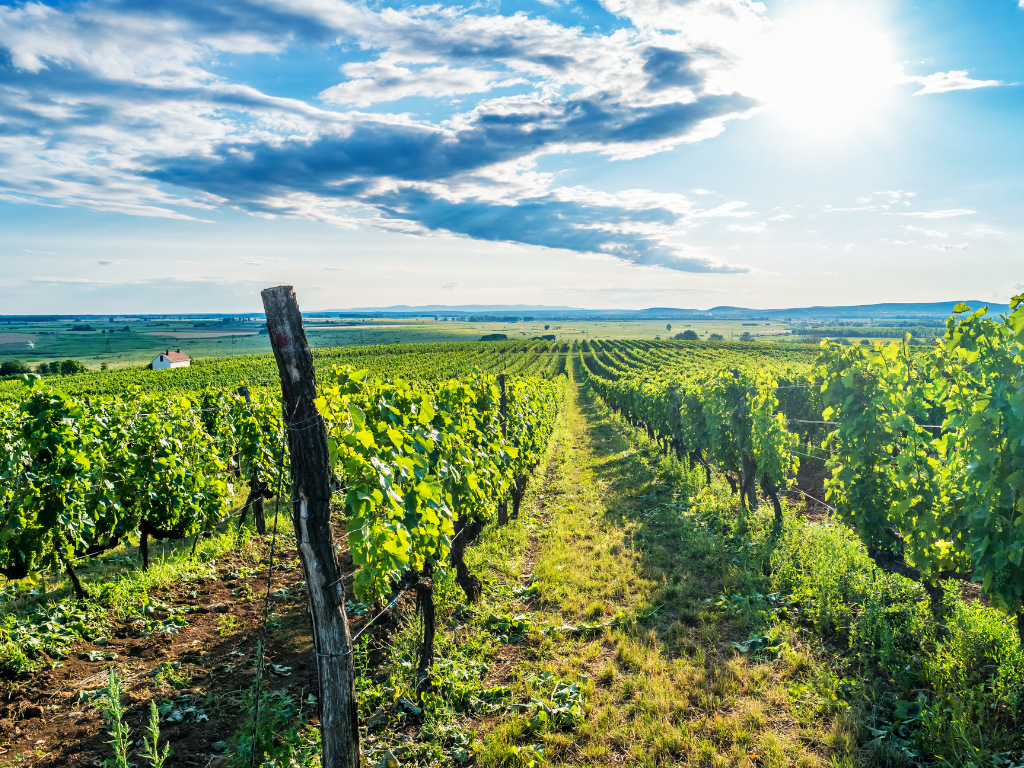
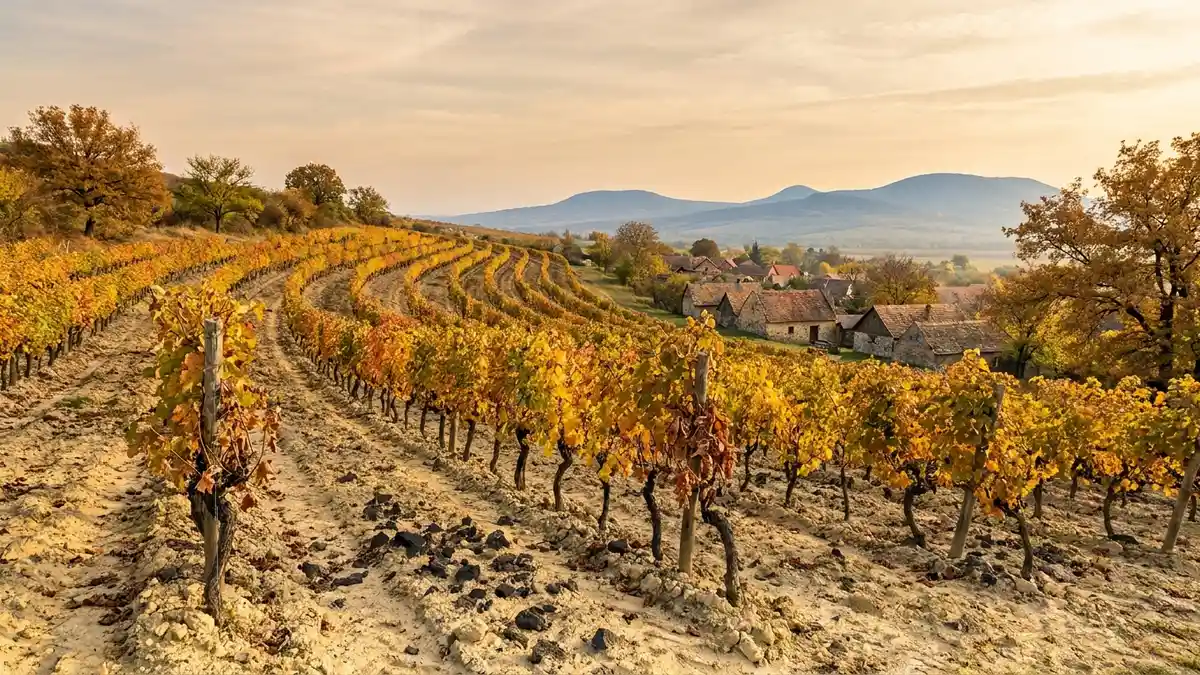
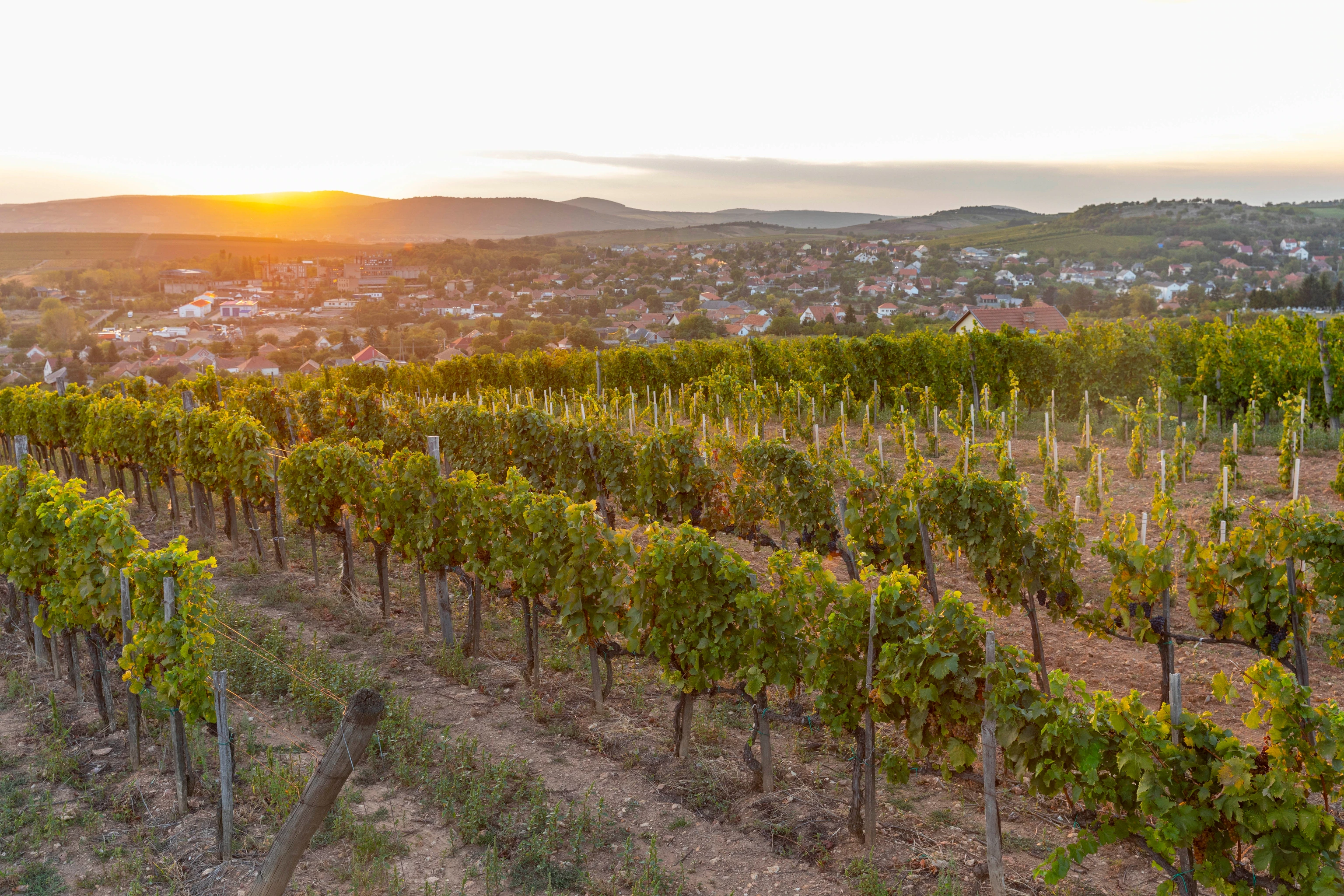
Stand along the edge of these historic rows to photograph the precise geometry of the vines against the backdrop of the Zemplén Mountains. This spot is essential for those seeking high-quality tokaj winery tour tickets content.
Exploring the Tokaj Wine Region is a rewarding experience for families, as many local estates welcome guests to enjoy the historic vineyards and cultural landscape. Planning your own tokaj winery tour allows you to discover this UNESCO World Heritage site at a comfortable pace.
Underground cellar networks often feature narrow, uneven, and dark passages that are not suitable for strollers, so plan to carry infants or explore surface-level tasting rooms instead.
While the legal drinking age is 18, many estates are welcoming to families and may offer non-alcoholic beverages for younger guests if you inquire ahead of your tokaj winery tour tours.
Most historic cellars lack dedicated baby-change facilities; verify availability directly with specific wineries before arrival to ensure your needs can be accommodated during your tokaj winery tour tour.
Cellars maintain a consistent, cool temperature year-round, so dressing children in layers is essential for comfort while visiting the cool, historic environments.
Several local wineries provide cold platters or warm meals upon request, making it easy to enjoy a relaxed family meal while you utilize your tokaj winery tour tickets to experience the region.
Visitors planning a tokaj winery tour will find excellent dining options in the heart of Tokaj, where traditional Hungarian flavors complement the renowned local viticulture. Most restaurants are located within the town center, providing convenient access before or after exploring the historic wine cellars.
Known for sophisticated dishes paired with top-tier dry Furmint, this venue offers a refined experience for those who booked tokaj winery tour tours. It remains a popular choice for guests seeking seasonal ingredients.;Hímesudvar
Everything you need to know for your journey
Most cellars are open 10:00–18:00, though specific wineries have varying schedules. Check ahead for your tokaj winery tour.
Entrance to the region is 0 HUF; individual winery tours incur separate fees.
Families are welcome, though individual wineries may have age limits for a tokaj winery tour.
It is highly recommended to book tokaj winery tour tickets in advance as many estates require reservations.
You can reach the Tokaj Wine Region by train from Budapest-Keleti or via pre-arranged private taxi.
Smart-casual is best for a tokaj winery tour; wear comfortable, sturdy shoes for historic cellars.
No, outside food is generally prohibited; focus on the pairings provided during your tokaj winery tour.
Some historic cellars have steep steps, so inform your guide before your tokaj winery tour.
Autumn harvest season is highly recommended for an immersive tokaj winery tour.
Photography is allowed in most areas, but please confirm with staff before starting your tokaj winery tour.
Exhibits on regional history and botrytis fungus.
Historic hotel with spa and vineyard views.
Join thousands of happy travelers who have discovered this incredible experience
Book Your Experience Now